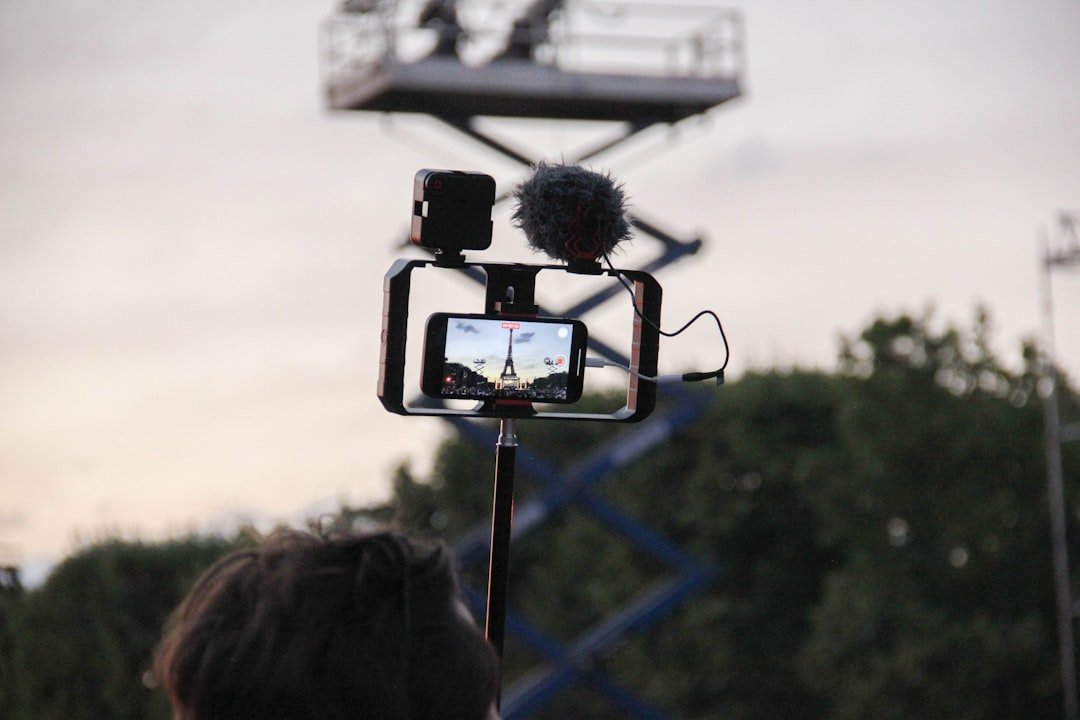
Revolutionary Mobile Cinematography Arrives at Professional Sports Level
The intersection of consumer technology and professional broadcasting is about to reach a remarkable milestone. On May 23rd, Apple will unveil an unprecedented live sports production featuring a Major League Soccer match captured exclusively through iPhone 17 Pro devices. This groundbreaking initiative marks the inaugural instance of a top-tier professional athletics event being delivered to audiences via entirely mobile-shot content.
This development represents a significant inflection point in how the broadcast and cinematography industries conceptualize mobile imaging technology. For decades, smartphones have been relegated to supplementary roles in production workflows—useful for behind-the-scenes documentation or social media content, but rarely trusted with primary capture responsibilities during high-stakes events.
The iPhone 17 Pro as a Broadcast-Grade Imaging Solution
Apple’s flagship smartphone line has progressively evolved its computational photography capabilities and hardware specifications to rival traditional cinema cameras in specific applications. The iPhone 17 Pro’s advanced sensor array, improved stabilization mechanisms, and enhanced processing power provide the technical foundation necessary for demanding broadcast scenarios.
The device’s capability to deliver cinematic depth-of-field effects, precise color grading, and professional-grade video encoding represents years of refinement in mobile imaging technology. These specifications become particularly critical when broadcasting live sporting events, where unpredictable movement, varying lighting conditions, and the necessity for real-time multi-camera coordination create substantial technical challenges.
Implications for Production Workflows
This venture carries profound ramifications for production budgets and equipment logistics across the industry. Traditional sports broadcasting typically requires investment in multiple cinema cameras, specialized lenses, elaborate stabilization rigs, and extensive technical infrastructure. A mobile-first approach fundamentally streamlines these requirements while maintaining output quality.
The efficiency gains extend beyond equipment procurement. Mobile workflows reduce transportation burdens, simplify setup procedures, and accelerate post-production timelines. For broadcasters and production companies, these operational improvements translate to meaningful cost reductions without compromising visual fidelity.
Industry Context and Broader Trends
This MLS broadcast initiative arrives alongside a broader industry trend acknowledging smartphone cameras as legitimate cinematographic instruments. Independent filmmakers have demonstrated that compelling visual narratives can emerge from mobile devices when combined with thoughtful composition, intelligent lighting strategies, and skilled post-production execution.
The collaboration between Apple and Major League Soccer serves as a validation statement—a declaration that mobile technology has matured sufficiently to meet the demanding standards of professional live broadcasting. Such endorsements carry substantial weight in an industry traditionally cautious about adopting nascent technologies.
What This Means Moving Forward
Should this broadcast successfully deliver broadcast-quality imagery to audiences, anticipate accelerated adoption of mobile-centric production methodologies across sports broadcasting and related industries. Networks may begin exploring hybrid workflows combining smartphone capture with traditional equipment, optimizing each technology’s strengths.
The May 23rd event will undoubtedly generate extensive technical scrutiny from broadcast professionals, cinematographers, and technology enthusiasts. The success or challenges encountered will provide valuable insights into mobile technology’s realistic capabilities and limitations within high-pressure production environments.
This moment represents more than a single broadcast—it signals evolving industry confidence in smartphones as legitimate tools for professional visual storytelling at the highest competitive levels.