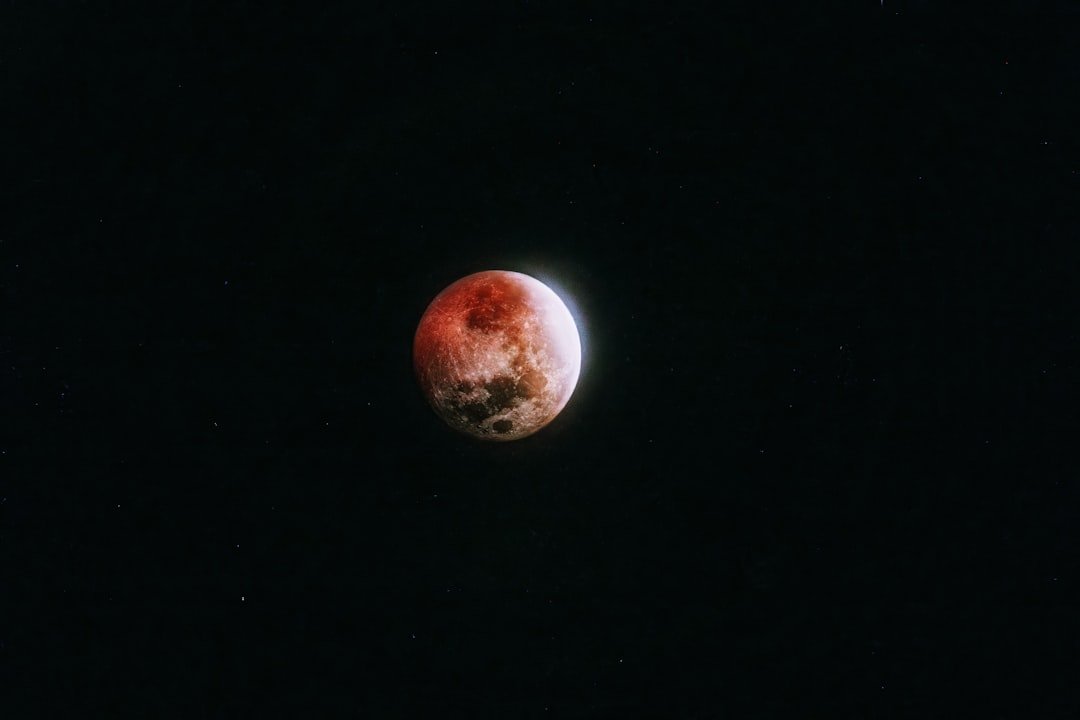
A Historic Photographic Milestone in Space Exploration
On April 6, the Artemis II astronauts achieved a remarkable distinction in both space exploration and astronomical photography when they surpassed the distance record previously established by the Apollo 13 mission. Operating from a vantage point farther from Earth than any human crew in decades, these space-based photographers seized the opportunity to document celestial phenomena with unprecedented perspective and technical capability.
The crew’s primary objective during this milestone moment extended beyond navigation and scientific measurement. With sophisticated imaging equipment aboard their spacecraft, they devoted considerable effort to capturing an extensive portfolio of lunar and celestial imagery. These photographs represent a convergence of engineering precision and artistic vision, documenting our natural satellite and atmospheric phenomena from a viewpoint fundamentally different from Earth-based observation.
Unparalleled Eclipse Documentation
Among their most significant achievements was the documentation of a solar eclipse from this extreme distance. Unlike terrestrial eclipse photography, which requires specialized equipment and geographic positioning, capturing such an event from deep space presents unique optical and compositional challenges. The resulting imagery showcases phenomena entirely invisible to ground-based observers, including the geometric relationships between celestial bodies as perceived from beyond the Moon’s orbital sphere.
From the perspective of astronomical photography, these images offer invaluable documentation. The crew’s vantage point provided lighting conditions and spatial relationships impossible to replicate from Earth’s surface or even from traditional low Earth orbit. The contrast between lunar topography and the eclipsed sun, combined with the infinite darkness of space, creates compositional elements that challenge conventional photographic aesthetics.
Technical Photographic Achievements
The execution of such complex imaging during a mission of this caliber demonstrates the integration of advanced camera systems within spacecraft environments. Operating in microgravity, without atmospheric interference, and under extreme thermal conditions, the photographic equipment performed essential documentation functions while maintaining the technical standards required for scientific analysis.
The historical significance extends beyond the individual images themselves. These photographs establish a new benchmark for space-based imaging, combining the technical capabilities of modern camera systems with the unique perspective afforded by deep space positioning. For the photography and aerospace industries, this represents a convergence of technological advancement and human capability.
As we examine these extraordinary images, we recognize them as more than mere documentation. They represent humanity’s evolving relationship with space exploration and our capacity to see our universe from increasingly distant perspectives. The Artemis II crew’s photographic contributions will serve as reference material for future missions and will undoubtedly inspire new approaches to space-based imaging and documentation methodologies.