Discovering Historical Treasures in Plain Sight
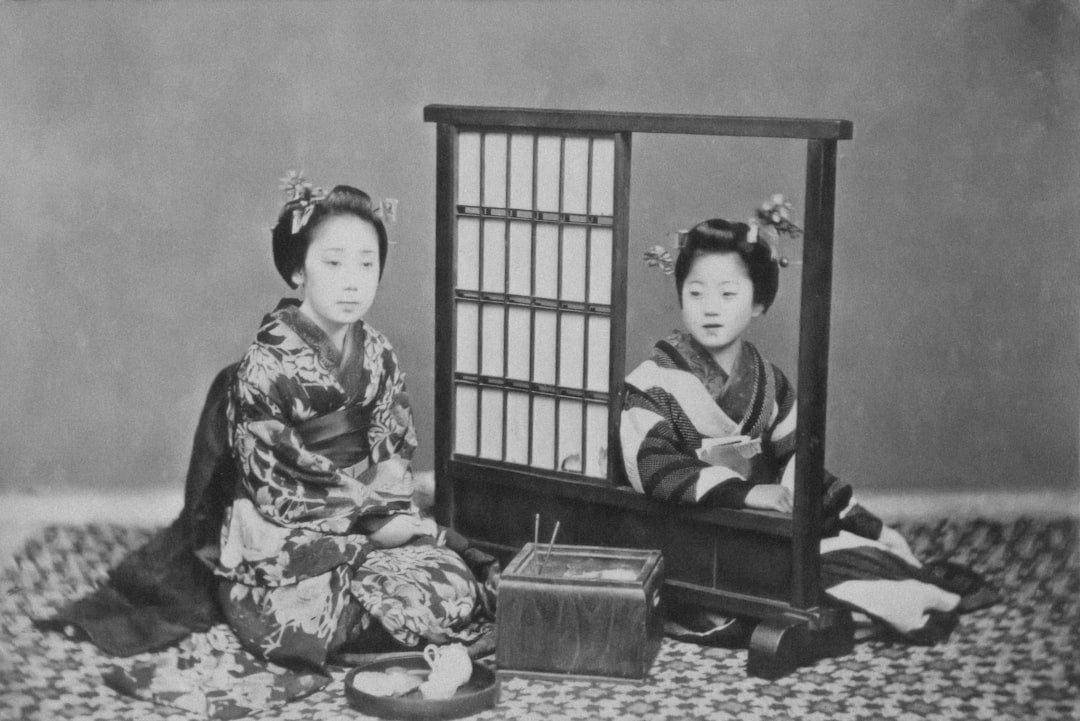
In an unexpected twist of archival serendipity, a contemporary image-maker stumbled upon an extraordinary collection of original photographic plates documenting 19th-century Japan hidden away within her ancestral residence. What began as a casual exploration of family archives evolved into an ambitious creative project that bridges two centuries of visual storytelling, culminating in a compelling published collection that merges historical documentation with modern artistic interpretation.
The discovery represents a significant moment in photographic archaeology. These vintage plates—fragile records of Japan during a transformative era—had remained largely undocumented and inaccessible to scholarly examination. Their preservation within a private collection meant that their cultural and historical significance risked permanent obscurity, a fate that befalls countless photographic treasures worldwide.
Bridging Past and Present Through Visual Dialogue
Rather than simply cataloging these historical artifacts, the photographer embraced an innovative curatorial approach. She employed the original compositions as conceptual frameworks and thematic anchors, then created corresponding contemporary photographs that respond to, reinterpret, and engage with their 19th-century predecessors. This methodological strategy—sometimes called visual conversation or dialogic photography—has gained traction within fine art photography circles as practitioners seek meaningful ways to contextualize historical imagery within contemporary visual discourse.
The resulting body of work functions on multiple interpretive levels. At its foundation lies documentary value: the original photographs provide invaluable ethnographic records of Japanese life, architecture, costume, and customs during Japan’s rapid modernization. Simultaneously, the new photographs introduce 21st-century perspectives, contemporary aesthetic sensibilities, and evolved photographic technologies to create dynamic visual partnerships between eras.
Technical and Conceptual Implications
This project exemplifies how photographers working with archival materials navigate complex technical and curatorial considerations. The original plates required careful handling and, likely, professional conservation assessment. The creator’s decision to respond photographically rather than simply restore these works demonstrates sophisticated understanding of how historical images can generate meaningful contemporary dialogue without requiring direct alteration or remediation.
From a technical standpoint, this undertaking showcases the versatility of modern photographic practice. Contemporary imaging sensors, post-processing capabilities, and printing technologies allowed the artist to create visual equivalencies while maintaining interpretive independence—a luxury unavailable to her 19th-century predecessors who worked within fixed technical constraints and cultural parameters.
Cultural Preservation and Artistic Innovation
The publication of this dual-narrative project addresses broader conversations within photography about heritage preservation, archival access, and the evolving roles of photographers as custodians of visual history. By transforming forgotten materials into a substantial publication, this artist has simultaneously honored the original documentarians while asserting photography’s enduring capacity for creative reinvention.
Projects of this caliber remind the photographic community that artistic innovation need not abandon historical consciousness. Instead, contemporary practitioners can engage meaningfully with photographic legacies, extracting conceptual richness while contributing fresh interpretive frameworks that make archival materials relevant for contemporary audiences.