Space-Based Mobile Photography Yields Remarkable Storm Documentation
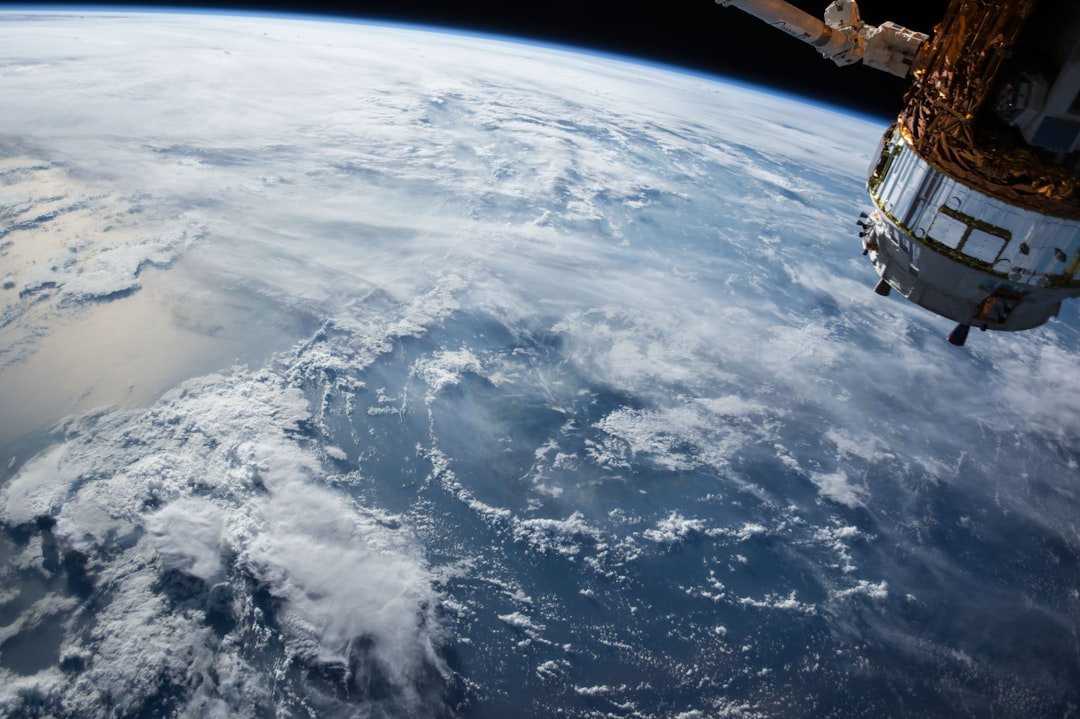
In a compelling demonstration of modern smartphone capabilities, astronaut Anil Menon has documented an extraordinary meteorological phenomenon from his vantage point aboard an orbiting spacecraft. Less than four weeks into his mission, Menon successfully photographed a massive typhoon system churning across the Pacific basin—an achievement that underscores the increasing viability of consumer-grade mobile devices for scientific observation and documentation from extraterrestrial locations.
The captured imagery reveals the structural complexity and raw power of a super typhoon, showcasing the atmospheric disturbance’s distinctive spiral cloud formations and expansive circulation patterns. What distinguishes this documentation effort is its execution through a standard iPhone, rather than specialized aerospace-grade imaging equipment traditionally employed for such observations. This development carries significant implications for both the photography and space exploration communities, suggesting that commercial technology can deliver professional-caliber results in demanding environments.
Implications for Space-Based Photography
The success of this amateur documentation project highlights a broader shift within aerospace agencies toward leveraging commercially available imaging tools for supplementary scientific work. While dedicated reconnaissance satellites and specialized spacecraft cameras remain essential for primary mission objectives, the accessibility of high-quality mobile photography enables crews to capture supplementary visual data without additional equipment burden or launch costs.
Menon’s achievement reflects the remarkable optical and computational advances integrated into contemporary smartphone sensors. Modern mobile devices incorporate sophisticated multi-lens arrays, computational photography algorithms, and advanced image processing capabilities that rival or exceed standalone cameras from merely a decade prior. When combined with the unprecedented perspective afforded by orbital altitude, these technologies produce visually striking and scientifically valuable imagery of terrestrial phenomena.
Documentation of Natural Phenomena
Typhoon imagery acquired from orbital perspectives offers meteorologists and climate researchers invaluable insight into storm system dynamics, circulation patterns, and structural evolution. Traditional ground-based and airborne observation methods cannot replicate the comprehensive viewpoint that space-based photography provides. Astronauts serving as opportunistic documentarians fill a unique niche, capturing real-time visual evidence of significant weather events that enhance our understanding of atmospheric processes.
The particular storm system captured in Menon’s photographs exhibits the characteristic features of an advanced typhoon formation, with a well-defined eye structure and organized cloud bands indicative of substantial atmospheric organization and energy. Such visual documentation complements quantitative data gathered through meteorological instruments and helps forecasters and researchers correlate satellite spectral data with human observational accounts.
Future Possibilities for Astronaut-Conducted Photography
This successful documentation suggests expanding potential for space crews to serve as floating photojournalists and scientific observers. As mission planning increasingly incorporates opportunities for astronauts to operate personal imaging devices alongside formal mission equipment, we may expect growing quantities of compelling visuals documenting Earth’s dynamic systems, astronomical phenomena, and human spaceflight accomplishments.
Menon’s work demonstrates that extraordinary imagery need not require extraordinary equipment—rather, opportunity, perspective, and awareness combine to produce remarkable photographic achievements. His contribution exemplifies how the democratization of imaging technology has extended even to humanity’s most remote outposts.