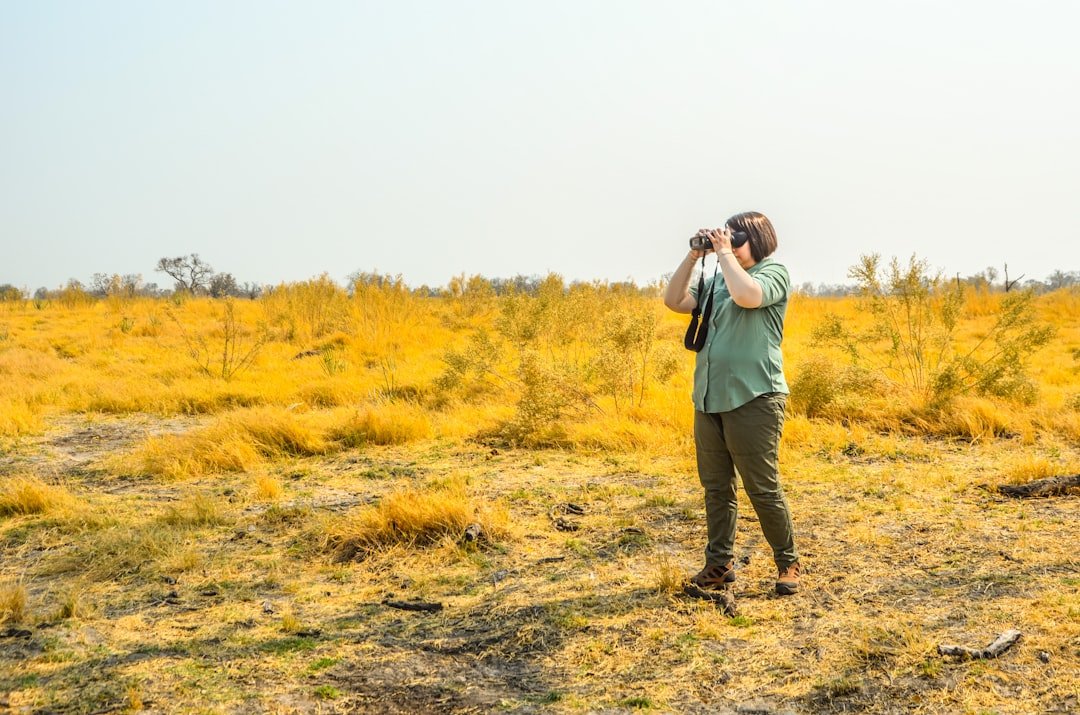
Technical Knowledge Meets Field Experience
Understanding your camera’s specifications and features represents just the foundation of wildlife photography. The true test arrives when you’re in the field facing unpredictable conditions, challenging subjects, and situations that no instruction manual can fully prepare you for. This exploration of seven authentic wildlife scenarios reveals the practical problem-solving skills that separate competent photographers from exceptional ones.
The Fieldcraft Advantage
Professional wildlife photographers develop an intuitive understanding of how to adapt their approach when initial strategies fail. Whether dealing with difficult lighting conditions, uncooperative animal behavior, or equipment limitations in remote locations, these practitioners rely on accumulated experience and creative thinking rather than relying solely on technical specifications.
Seven Common Field Dilemmas
The scenarios discussed in this breakdown showcase the nuanced challenges that emerge during actual assignments. From capturing avian subjects in challenging environments to managing equipment during unexpected situations and navigating the constraints of safari-based photography, each situation demands a combination of technical competency and adaptive thinking.
Adapting Your Approach
When your initial composition strategy isn’t delivering results, experienced photographers pivot systematically. This might involve repositioning to change perspective angles, adjusting your timing to anticipate behavioral patterns, modifying exposure compensation for improved subject separation, or even temporarily abandoning a particular vantage point in favor of a more promising location. The key lies in recognizing when persistence becomes counterproductive and when strategic repositioning offers better outcomes.
Environmental Factors and Solutions
Wildlife photography rarely occurs under ideal conditions. Harsh midday sun, obscured subjects in dense vegetation, and unpredictable weather all present obstacles requiring creative solutions. Rather than waiting for perfect circumstances that may never arrive, successful photographers develop techniques for maximizing their existing conditions, whether through strategic use of fill flash, careful exposure metering, or compositional choices that work within environmental constraints.
Equipment Limitations in Practice
While owning quality gear certainly helps, resourcefulness often matters more in critical moments. Understanding your equipment’s actual capabilities under stress—rather than its theoretical specifications—allows you to make informed decisions about when to push certain settings and when to accept technical compromises in favor of capturing the shot.
Building Professional Competency
The distinction between amateur and professional-level wildlife work frequently comes down to problem-solving capability rather than gear investment. Professionals recognize patterns in their failures, anticipate potential complications before they become critical issues, and maintain composure when circumstances demand rapid adaptation. These skills develop through repeated exposure to challenging situations and honest reflection on both successes and failures.
The Learning Process
Every field session offers opportunities to refine your approach. Reviewing your captures and analyzing the decision-making process behind both successful and unsuccessful attempts creates a feedback loop that continuously improves your fieldcraft. Over time, you develop an almost instinctive sense for which adjustments will most likely resolve emerging problems.
Wildlife photography demands more than equipment knowledge—it requires the practical wisdom that emerges only through extended time in the field, wrestling with real constraints and discovering solutions that extend far beyond manufacturer specifications.