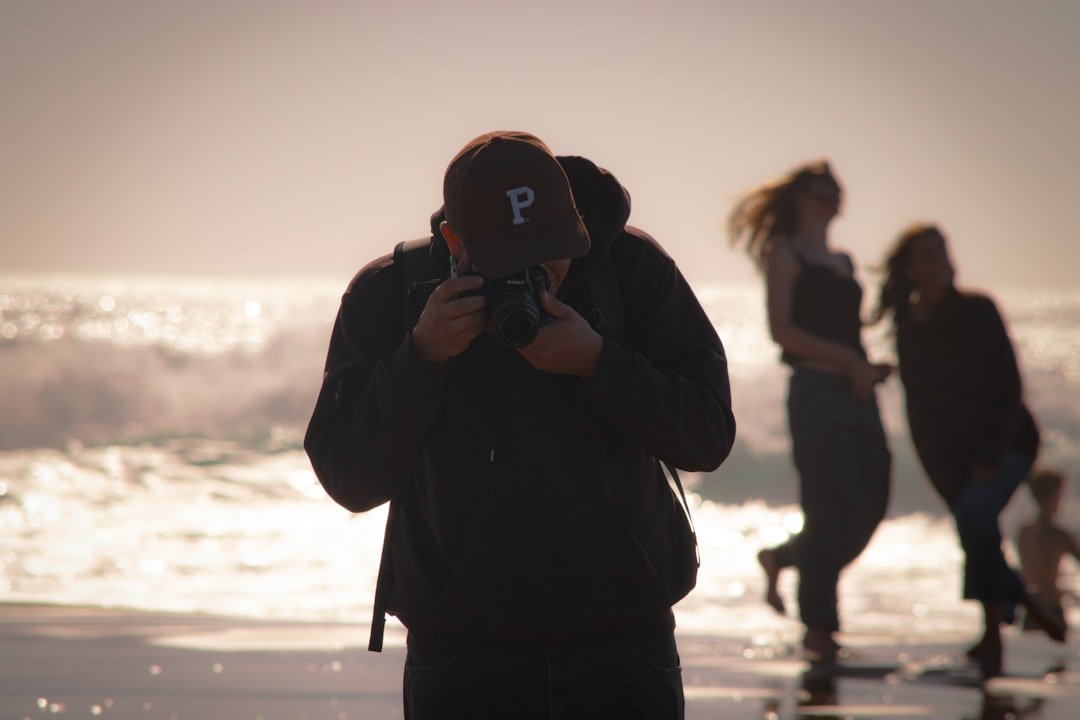
For many introverted photographers, the solitary nature of the craft feels perfectly suited to their temperament. The ability to work independently, set your own creative direction, and avoid unnecessary social interaction presents an appealing formula. Yet this isolation, while initially comfortable, can inadvertently limit both artistic growth and long-term engagement with photography itself.
The photographer in question spent years working remotely and relocating frequently—circumstances that naturally discouraged meaningful connections within local photographic circles. Despite recognizing that professional photography communities offer substantial value, the prospect of attending group outings felt genuinely uncomfortable. The turning point came through an unexpected source: a direct message from a fellow photographer discovered on Instagram.
Taking the Leap
What began as passive participation in an online group chat gradually evolved into something more substantial. Rather than immediately joining larger gatherings, this introvert strategically selected a smaller, intimate photowalk as their entry point—a wise decision that proved instrumental to building confidence. The inaugural outing featured just five participants exploring storm-damaged coastal architecture. The casual atmosphere, evening timing, and modest group size made the experience manageable while still providing meaningful human connection.
Equipment diversity at these meetups—ranging from vintage 35mm film cameras to full-frame digital bodies and even large-format view cameras—naturally sparked engaging dialogue about technique, methodology, and gear preferences. Importantly, the group’s culture honored both collaborative exploration and individual creative pursuits, allowing participants to pursue their distinct artistic visions without pressure to conform.
The Community Effect
That inaugural experience catalyzed a significant shift in perspective. Success with a smaller gathering created sufficient confidence to participate in larger photowalks with greater frequency. The photographer discovered that prior familiarity with even a few group members substantially reduced anxiety while still permitting autonomy in image-making decisions.
Photography communities offer something intangible yet invaluable: peers who genuinely comprehend your passion for composition, optical quality, post-processing workflows, and the dedication required to capture optimal natural light. Unlike general social circles, photography-focused groups eliminate the need to explain or justify these specialized interests. Technical terminology and equipment discussions flow naturally among practitioners.
Beyond formal outings, digital group conversations became equally significant. These platforms facilitate knowledge-sharing, equipment recommendations, film stock discussions, and collaborative problem-solving. The photographer found themselves developing genuine friendships through these hybrid in-person and online interactions—relationships built upon authentic shared professional interests rather than geographic proximity alone.
Establishing Roots
For those relocating frequently or working in isolation, photography communities serve an additional purpose: facilitating genuine integration into local spaces. By committing to regular participation, the introvert transformed a temporary situation into something permanent and meaningful. The investment in community-building ultimately strengthened their connection to their geographic location and to photography itself.
The lesson resonates beyond individual circumstances: creative pursuits gain significant depth through collaborative engagement. While solitary work remains essential for artistic development, supplementing that isolation with intentional community participation creates sustainable, fulfilling creative practices. For introverted photographers willing to overcome initial reluctance, joining established groups may prove exactly what their practice—and their wellbeing—requires.