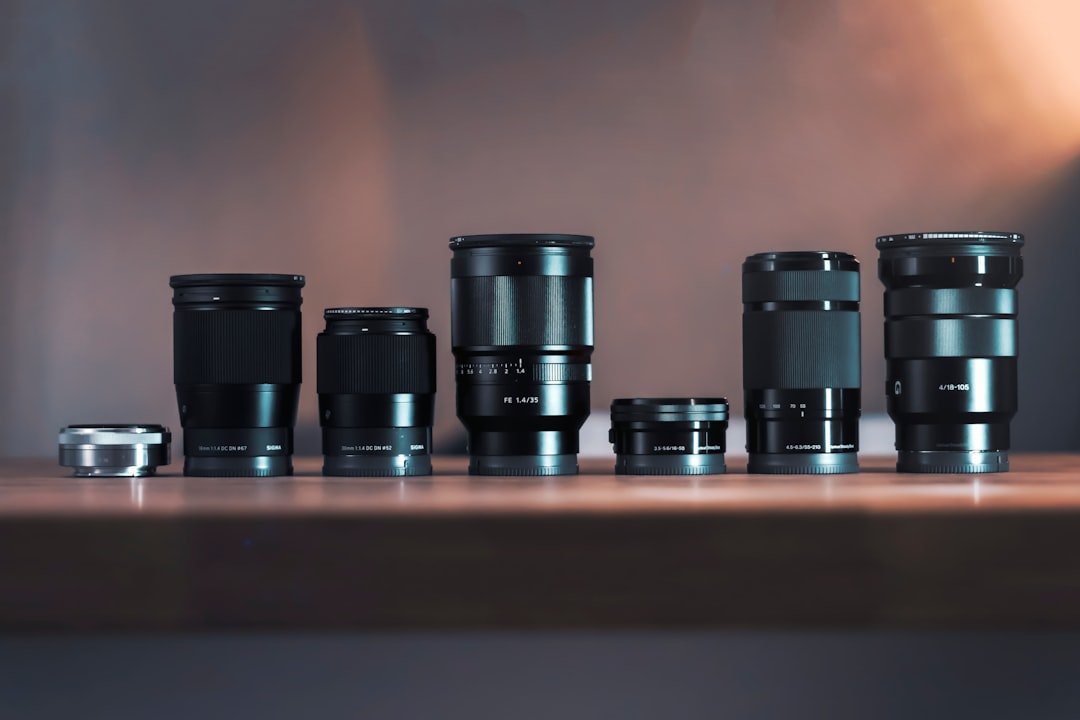
The Great 85mm Lens Showdown: Value vs. Investment
The photography world has long grappled with a fundamental question: does premium pricing guarantee superior image quality? A compelling comparison between two 85mm focal length options—priced at $1,948 and $569 respectively—suggests the answer might be more nuanced than many enthusiasts expect.
When subjected to rigorous testing that included detailed 200-percent magnified crops of portraiture subjects, both lenses demonstrated remarkably similar sharpness characteristics and optical performance. The results challenge conventional wisdom about the direct correlation between cost and output quality, leaving photographers and industry observers to reconsider their purchasing decisions.
Understanding the Price Disparity
This substantial $1,379 price differential between two optics designed for the same primary purpose—flattering portrait photography—raises significant questions about value proposition in the camera lens market. Manufacturers typically justify premium pricing through factors beyond pure resolving power: build construction, focusing mechanisms, lens coatings, and brand heritage all contribute to the final sticker price.
First-party or native-mount lenses carry expectations of superior engineering and integration with camera systems. Yet when independent testing reveals comparable optical results from more affordable alternatives, consumers must evaluate whether these additional investments serve practical purposes or represent premium brand positioning.
What the Numbers Actually Tell Us
In contemporary photography, where digital sensors have achieved extraordinary megapixel densities and resolution capabilities, the distinction between “excellent” and “premium” optical performance has narrowed considerably. Entry-level portrait lenses now incorporate optical formulas and manufacturing precision that would have commanded luxury pricing just a decade ago.
The 85mm focal length remains the golden standard for portrait work, offering ideal subject-to-camera distances and natural-looking facial proportions. Both options in this comparison excel at this fundamental requirement. The budget-conscious alternative delivers the core functionality that portrait photographers fundamentally require without substantial compromise to image quality.
The Broader Industry Conversation
This comparison illustrates a larger market evolution where optical performance has become increasingly commoditized. Secondary considerations—including ergonomics, autofocus speed, weather sealing, and brand ecosystem loyalty—increasingly determine purchasing decisions among experienced photographers.
Professional photographers operating on established budgets may prioritize build durability and long-term reliability investments. Emerging talent and enthusiasts, conversely, can achieve publication-quality results without depleting equipment budgets on maximum-tier optics.
Practical Implications for Photographers
These findings empower photographers at all experience levels to make more intentional gear decisions. Rather than assuming that maximum expenditure guarantees maximum results, practitioners can allocate resources strategically, potentially investing savings in lighting equipment, studio infrastructure, or portfolio-building experiences.
The takeaway extends beyond simple cost-benefit analysis. It represents a maturing photographic ecosystem where technical performance thresholds have been democratized, allowing creative vision and skill development to become primary differentiators rather than equipment limitations.