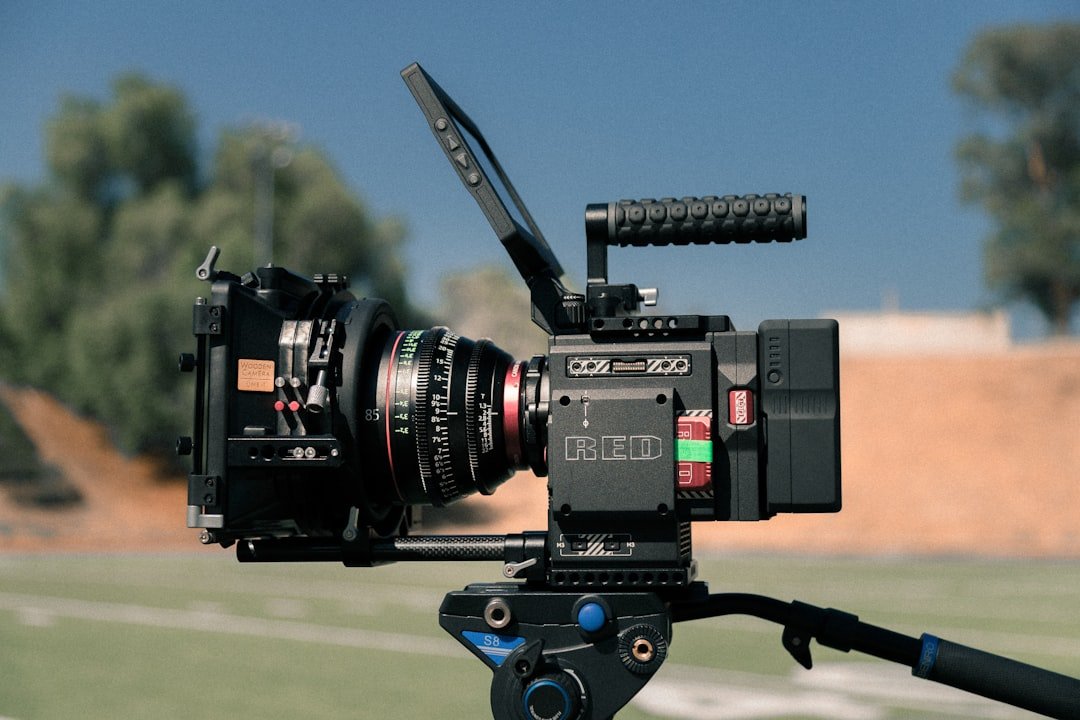
Evaluating Canon’s Latest Compact Cinema Camera
After spending considerable time in the field with Canon’s newly released C50 cinema camera across multiple professional assignments, I set out to determine whether this compact powerhouse could establish itself as a formidable competitor in the premium video production space. The question looming large: can this system match or exceed the capabilities that have made Sony’s FX3 the industry benchmark?
The Compact Cinema Category Gets Crowded
The market for portable, high-performance cinema cameras has exploded in recent years, driven by creators seeking professional image quality without sacrificing mobility. From documentary cinematographers to corporate production teams, the demand for systems that balance capability with practicality has never been higher. Canon’s entry into this segment with the C50 represents a strategic move to reclaim market share among professionals who demand both versatility and exceptional image fidelity.
7K Capture: More Than Just Numbers
Perhaps the most compelling specification is the camera’s native 7K recording capability. While ultra-high resolutions can feel like marketing hyperbole, the practical benefits extend beyond bragging rights. This elevated capture resolution provides cinematographers with substantial latitude for post-production work, enabling creative reframing, stabilization adjustments, and even 4K delivery with headroom for quality preservation. For projects destined for theatrical exhibition or premium streaming platforms, this overhead proves invaluable.
Versatility Across Content Domains
During my evaluation period, I deployed the C50 across diverse production scenarios: commercial advertising shoots requiring pristine color science, documentary work demanding reliable autofocus performance in unpredictable environments, and independent narrative projects where ergonomics and build quality matter significantly. The camera demonstrated consistent performance across each application, suggesting Canon has thoughtfully engineered this system for real-world professional workflows rather than laboratory specifications alone.
Compact Form Factor Considerations
The industrial design philosophy emphasizes portability without apparent compromise to essential features. For solo operators and small crews—increasingly common in modern production—the reduced weight and diminished footprint translate directly to operational advantages. Extended shooting days become more physically manageable, rigging becomes simpler, and discreet acquisition in location work becomes genuinely feasible.
Competitive Positioning
While the Sony FX3 has commanded significant mindshare among professionals, the C50 arrives with distinct advantages that appeal to Canon-ecosystem participants and those prioritizing certain workflow priorities. The decision between competing systems ultimately hinges on individual requirements: lens availability, color science preferences, integration with existing equipment, and specific feature prioritization.
Verdict
The Canon C50 emerges as a thoroughly capable cinema solution that merits serious consideration from content creators operating at professional standards. Whether it definitively surpasses or merely parallels competing offerings depends heavily on individual project requirements and personal preferences. What’s undeniable is that serious competitors now have a compelling alternative that raises the bar for the entire category.