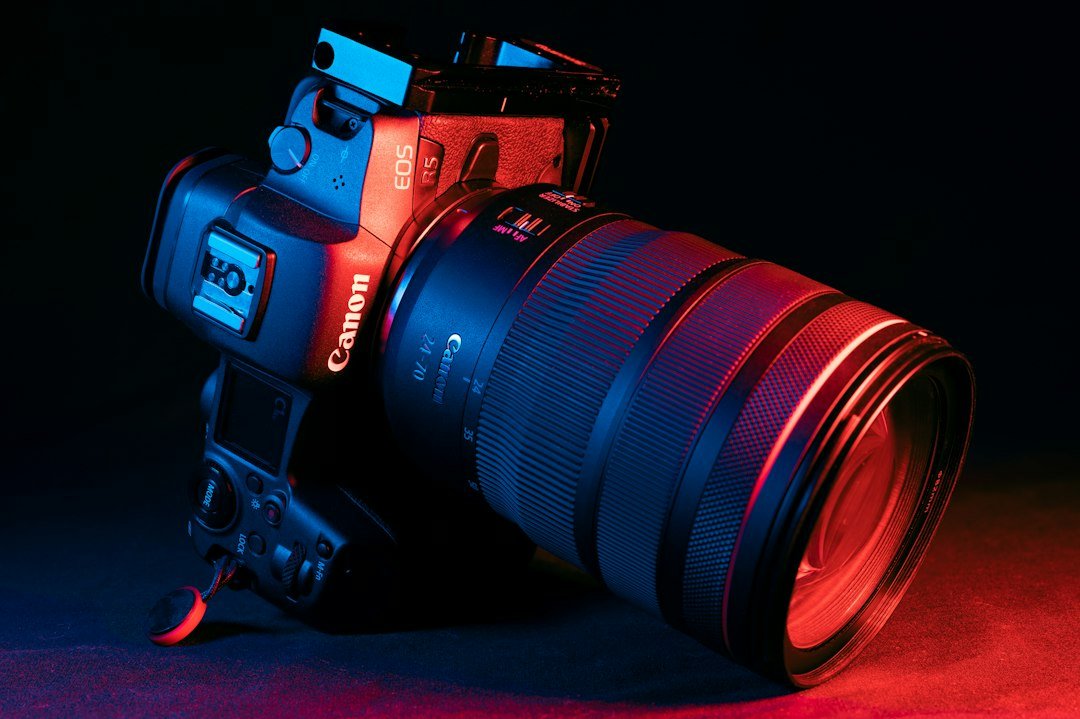
Canon’s Latest R8 Iteration Brings Long-Awaited Optical Stabilization to Entry-Level Full Frame
Canon has addressed one of the most significant criticisms of its original EOS R8 by introducing integrated optical image stabilization in the newly announced Mark II variant. This advancement fundamentally alters the camera’s appeal and practical applications for photographers transitioning from APS-C systems to full-frame digital capture.
The R8 Mark II maintains the same 24.2-megapixel full-frame sensor specification as its predecessor, preserving the resolution sweet spot that delivers excellent image quality without excessively taxing storage and processing workflows. However, the incorporation of in-body stabilization technology transforms this modest pixel count into a far more versatile tool for photographers working across various lighting conditions and shooting scenarios.
Bridging the Full-Frame Gap for Upgrade-Ready Photographers
This camera has been strategically positioned to serve photographers who have outgrown their crop-sensor equipment and seek a more accessible entry point into the professional-grade full-frame market. The elimination of the stabilization shortcoming removes a significant barrier to adoption, particularly for videographers and hybrid content creators who depend on smooth, shake-free footage without requiring external stabilization rigs.
The absence of in-body image stabilization in the original model forced users to invest in premium stabilized lenses, substantially increasing the total system investment. The Mark II’s inclusion of this technology effectively reduces the necessity for expensive glass alternatives, making a capable full-frame system more financially accessible to enthusiasts and professionals on tighter budgets.
Practical Advantages for Contemporary Workflows
In-body stabilization delivers meaningful advantages beyond casual shooting. Photographers can now employ slower shutter speeds when necessary, enabling greater creative control over depth of field and motion blur without risking image degradation. This becomes particularly valuable in low-light environments, during video production, and when utilizing longer focal length lenses.
For videographers specifically, the addition of stabilization creates opportunities to execute professional-quality handheld shots that previously would have required specialized equipment or gimbal systems. This capability makes the R8 Mark II substantially more appealing for independent content creators and small production teams seeking to maximize output with minimal gear.
Market Positioning and Competitive Landscape
Canon’s response to user feedback demonstrates the company’s commitment to refining its product lineup based on real-world application demands. By addressing this fundamental limitation, the R8 Mark II substantially strengthens its competitive standing against alternative full-frame offerings that already included stabilization at similar price points.
The camera remains positioned specifically for photographers ready to graduate from crop-sensor ecosystems, offering sufficient resolution and performance without overwhelming users with unnecessary megapixel counts or convoluted feature sets. This focused approach maintains Canon’s strategy of catering to distinct user tiers within the digital imaging market.
The R8 Mark II ultimately represents thoughtful iterative development, confirming that manufacturers continue listening to customer requirements and adapting accordingly. For photographers seeking an uncomplicated, stabilization-equipped full-frame body, this updated variant removes a previously compelling reason to look elsewhere.