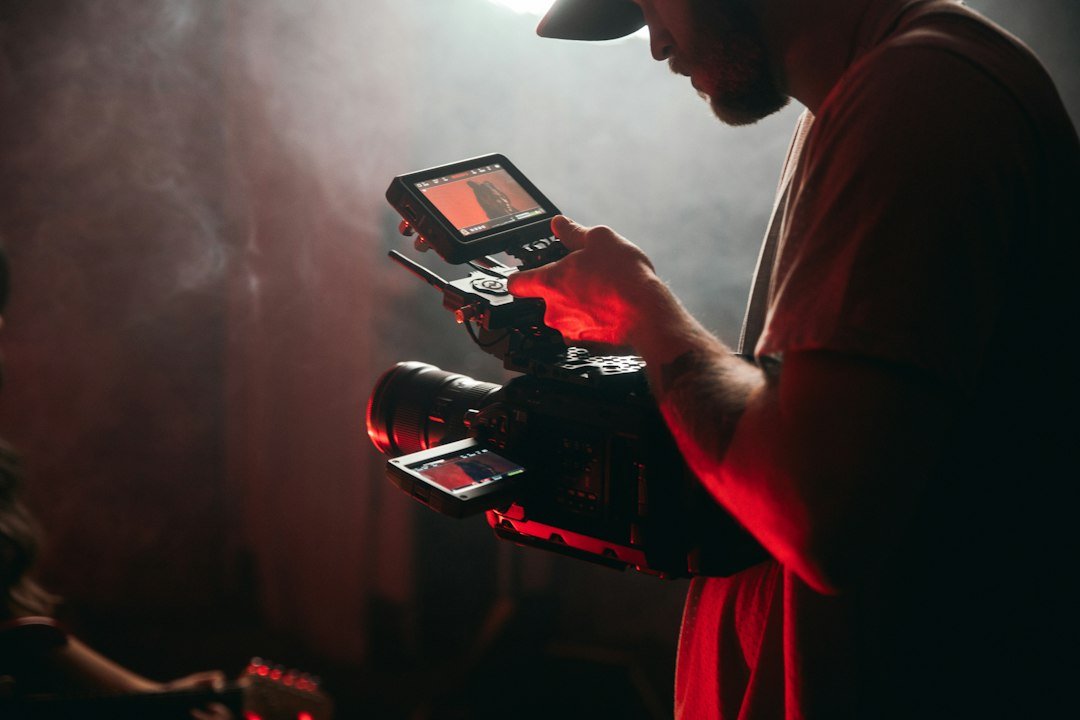
Engineering a Balanced Mobile Filming Platform
Recently, I revisited my portable equipment collection to evaluate different mounting arrangements suited for an upcoming documentary production. The central challenge involved creating a configuration that maximized operational flexibility and accessibility without compromising on essential tools and accessories that typically define professional image capture workflows.
Understanding the Balance Between Capability and Portability
The cornerstone of any effective handheld cinema system lies in recognizing the inherent tension between comprehensive functionality and practical mobility. Documentary cinematographers frequently face scenarios where they must transition rapidly between shooting scenarios, making weight distribution and quick-access organization critical considerations. The ideal portable rig should accommodate various lens selections, stabilization apparatus, audio monitoring equipment, and power management solutions while remaining comfortable for extended handheld operation.
Strategic Component Selection
Primary Camera Body Considerations: Modern mirrorless systems have revolutionized mobile filming by delivering broadcast-quality imagery in substantially lighter packages compared to traditional cinema cameras. Select a body that aligns with your project’s resolution requirements while offering robust stabilization capabilities.
Modular Accessory Architecture: Rather than permanently affixing every potential tool to your rig, embracing modularity allows rapid reconfiguration. Quick-release mounting systems enable swift attachment and detachment of monitors, microphones, and focus-pulling mechanisms depending on immediate production demands.
Power Management and Runtime Solutions
Extended shooting sessions demand intelligent battery strategy. Consider incorporating high-capacity external power solutions that can simultaneously charge multiple devices while reducing dependency on single integrated batteries. Distributed power systems also improve overall weight distribution across the handheld platform.
Stabilization Approaches for Documentary Work
Handheld documentation benefits from thoughtful stabilization implementation. Electronic in-body stabilization combined with optical lens stabilization creates layered correction that maintains professional image quality during dynamic movement. For certain narrative sequences, gimbal stabilization or shoulder-mounted configurations may deliver superior results while still maintaining comparative portability advantages over traditional cinema rigs.
Ergonomic Handle Design and Grip Architecture
The physical interface between operator and equipment significantly impacts both shooting comfort and final image stability. Investing in anatomically designed handle systems reduces operator fatigue during marathon shooting days. Strategically positioned control points for focus, exposure, and recording functions minimize the need for hand repositioning, thereby maintaining compositional consistency.
Audio Integration Without Complexity
Professional documentary work demands high-quality audio capture, yet external microphone systems frequently add unwieldy bulk. Compact wireless microphone solutions offer clean audio without extensive cable management. Integrated audio interfaces allow real-time monitoring through lightweight headphone configurations.
Practical Assembly Recommendations
Begin with your camera body and primary lens combination as the foundation, then methodically introduce additional components. Each addition should address specific production requirements rather than theoretical scenarios. Test your configuration under actual shooting conditions before committing to documentary projects, as field performance often reveals refinement opportunities invisible during preliminary assessment.
The evolution toward optimized portable rigs reflects broader industry trends emphasizing adaptability and self-sufficiency for modern visual storytellers. By systematically evaluating each component’s contribution to your creative vision, you’ll develop a platform that enhances rather than hinders your filmmaking capabilities.