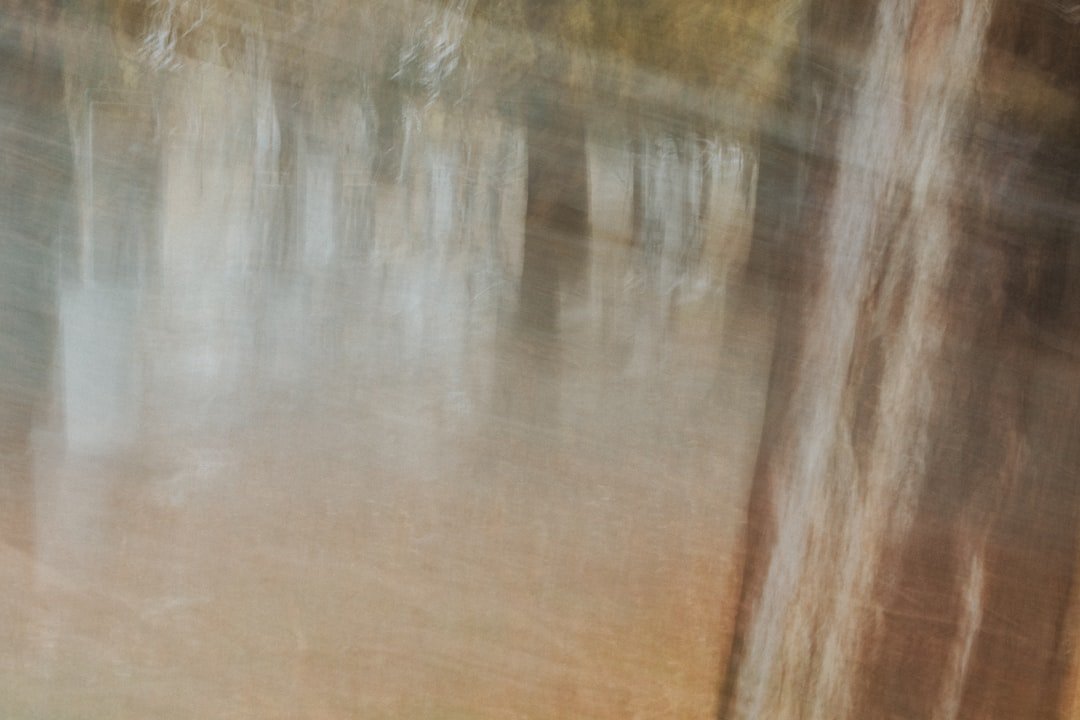
Mastering Multiple Exposure for Ethereal Woodland Photography
Multiple exposure represents one of the most compelling creative tools available to contemporary photographers, occupying a unique position where technical precision meets artistic experimentation. The methodology you select—whether capturing layered frames directly through your camera’s sensor or assembling them during post-production workflows—fundamentally shapes the aesthetic qualities of your final image.
The distinction between these two approaches extends far beyond mere convenience. When photographers employ in-camera multiple exposure functionality, they’re working within the camera’s native blending algorithms, which process exposure layers according to manufacturer-programmed parameters. This creates a distinctive look characterized by how the sensor interprets overlapping tonal information in real-time.
Understanding In-Camera Execution
Digital cameras equipped with multiple exposure modes automatically register successive frames onto the image sensor, allowing photographers to preview composite results before finalizing the capture. This immediate feedback mechanism enables shooters to make instantaneous adjustments to composition, exposure compensation, and subject positioning. Modern mirrorless and DSLR systems offer sophisticated controls over blend modes, opacity levels, and frame weighting, giving photographers considerable creative latitude while maintaining technical precision during acquisition.
The primary advantage of in-camera methodology lies in its organic integration of elements. Since all layering occurs within the camera’s processor, photographers benefit from optimized demosaicing and color science applied uniformly across all exposure layers. This typically produces seamless transitions between overlapping elements, particularly beneficial when photographing natural subjects like forests where tonal continuity enhances the ethereal quality.
Post-Processing Advantages and Flexibility
Conversely, compositing multiple exposures during post-production provides substantially greater control over individual layer manipulation. Photographers can apply selective adjustments, employ different blending modes, refine opacity independently for each frame, and implement localized corrections before final compositing. This non-destructive workflow preserves all original image data, enabling extensive experimentation without permanent alterations.
When creating abstract forest imagery, post-processing approaches facilitate nuanced control over how foreground elements interact with atmospheric background layers. Digital editing software supports advanced blending techniques unavailable through standard camera interfaces, allowing photographers to craft highly personalized visual narratives.
Choosing Your Approach
The optimal methodology depends on your creative vision and workflow preferences. In-camera execution suits photographers prioritizing efficiency and immediate visual feedback, particularly when shooting in challenging field conditions. Post-production assembly appeals to those favoring comprehensive control and experimentation flexibility.
Understanding these distinctions ensures informed decision-making aligned with your artistic objectives and technical preferences. Many experienced photographers utilize both approaches for different projects, leveraging each technique’s inherent strengths to maximize creative expression and technical quality.