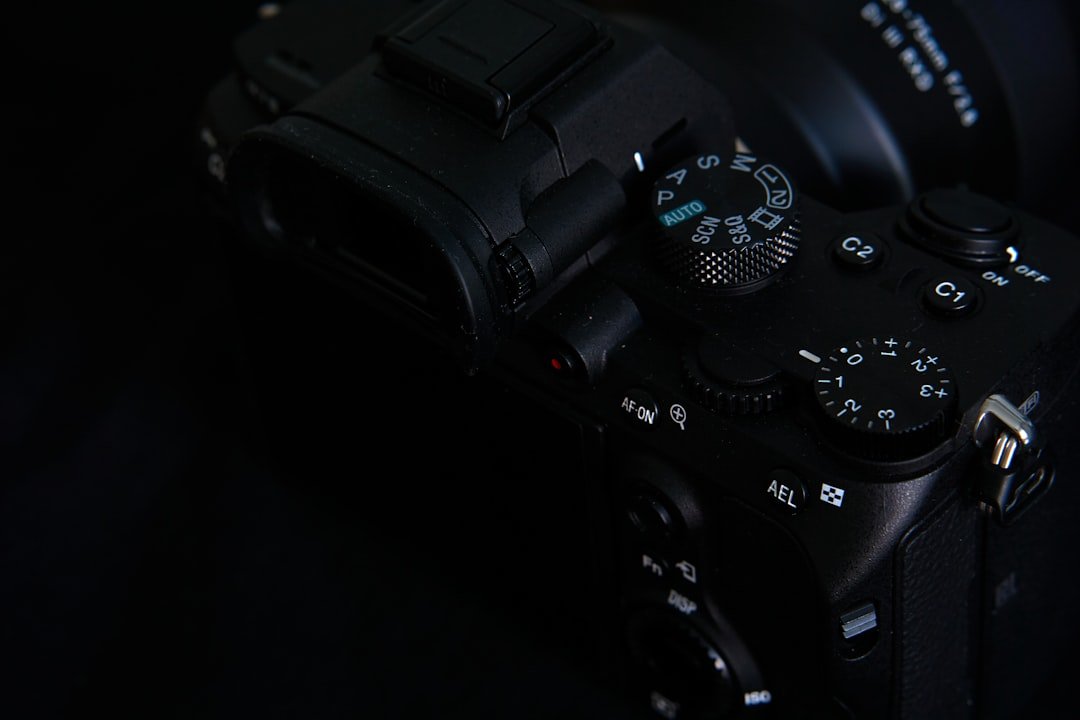
Understanding Shutter Actuation in the Used Camera Market
The secondhand camera marketplace presents both exceptional opportunities and potential pitfalls for photographers seeking to expand their equipment collection without premium price tags. Among the most critical yet frequently misinterpreted metrics in this space is shutter actuation count—a specification that can dramatically influence your purchasing decision and long-term satisfaction with a used body.
Shutter actuations represent the cumulative number of times a camera’s mechanical shutter mechanism has fired throughout its operational lifetime. This metric serves as a direct proxy for the device’s wear and remaining functional lifespan. Yet many prospective buyers either overlook this specification entirely or fundamentally misunderstand its implications for equipment durability and performance.
What Shutter Count Really Tells You
Each time you press the shutter release, internal mechanisms engage in a precisely orchestrated mechanical sequence. The shutter curtains cycle open and closed, the reflex mirror rises and lowers, and various mechanical components perform their designated functions. This continuous mechanical activity inevitably contributes to wear, much like mileage on a vehicle engine indicates usage intensity.
Manufacturers typically establish rated shutter lifespans for their camera models—professional-grade bodies often carry expectations of 200,000 to 400,000 actuations, while consumer-level cameras may be rated for 50,000 to 150,000 cycles. These figures represent engineering estimates rather than absolute maximum thresholds, accounting for typical professional usage patterns.
Interpreting the Numbers Strategically
A camera displaying moderate actuation counts within manufacturer expectations generally presents minimal concern for extended use. However, bodies significantly exceeding rated specifications warrant careful consideration. A professional DSLR with 500,000 actuations might still function reliably, but the probability of component failure increases measurably.
The mechanical nature of shutter systems means degradation occurs gradually. Rather than catastrophic failure, users typically experience declining reliability—occasional misfires, slower autofocus response, or mirror lag. These performance decreases accumulate over time, eventually necessitating expensive professional servicing or replacement.
Beyond the Numbers: Additional Assessment Factors
Raw actuation count provides only partial insight into a camera’s true condition. Maintenance history, storage environment, and shooting patterns significantly influence actual durability prospects. A camera used exclusively for studio work with careful maintenance may outperform a lower-count body subjected to harsh field conditions and neglect.
Professional photographers operating rented equipment through established rental houses benefit from comprehensive maintenance records and regulated service schedules. Conversely, private-seller acquisitions often lack complete usage documentation, introducing uncertainty into condition assessments.
Making Informed Purchasing Decisions
Before committing to a used camera purchase, systematically evaluate the actuation count within context. Request documentation if available, assess pricing relative to equipment age and condition, and consider warranty provisions from reputable retailers. Factor in anticipated usage intensity—hobbyists requiring occasional shooting need not prioritize pristine specifications like commercial operators do.
Understanding shutter actuations transforms them from cryptic technical specifications into meaningful indicators of equipment value and longevity. This knowledge empowers photographers to navigate secondhand markets confidently, identifying genuine opportunities while avoiding problematic investments that compromise creative output and financial investment.