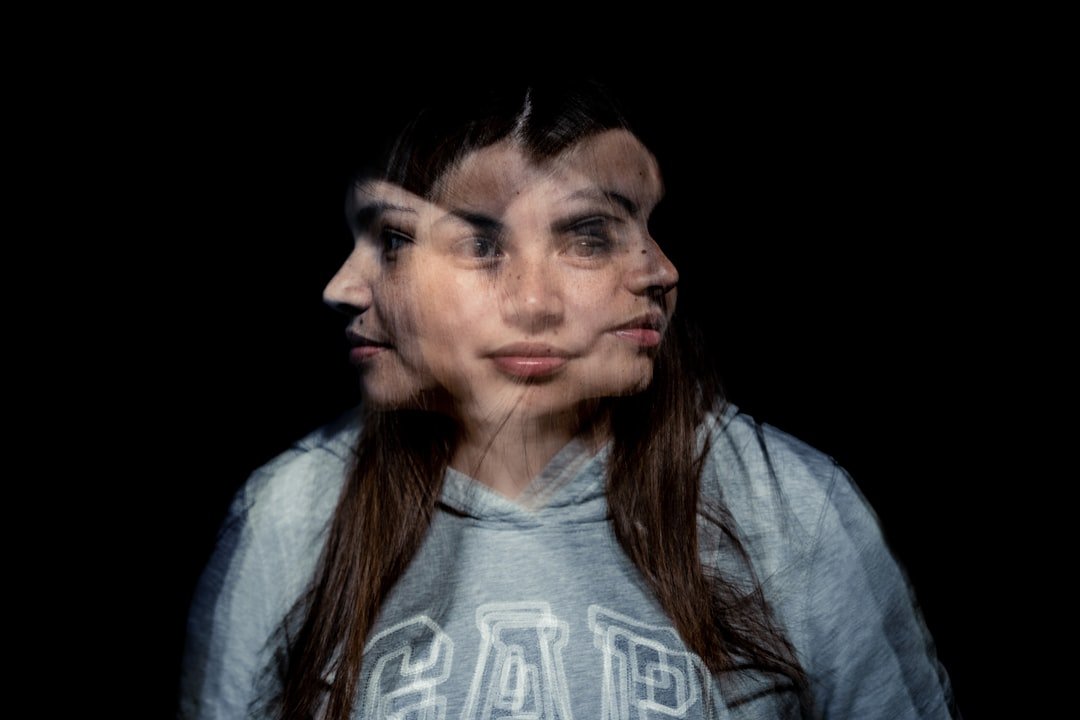
The Evolution of Generative Face Detection
The landscape of artificial intelligence-generated facial imagery has transformed dramatically in recent years. What once represented a straightforward technical challenge—identifying computer-generated human likenesses through visible imperfections—has evolved into a sophisticated cat-and-mouse game between detection specialists and generative algorithms.
Just a handful of years ago, distinguishing between authentic photography and machine-created faces required minimal expertise. The telltale signs were abundant and conspicuous: anatomical irregularities in ear structures, misaligned dental features, asymmetrical eye placements, and distorted background elements that failed to render convincingly. These artifacts served as reliable indicators that an image had been synthesized rather than captured through traditional photography.
Technological Advancement Changes the Game
However, as we progress through 2026, the capabilities of generative AI systems have reached unprecedented sophistication levels. Contemporary neural networks trained on massive datasets can now produce facial renderings that demonstrate remarkable anatomical precision and photorealistic qualities. The technical barriers that once made synthetic faces instantly recognizable have largely been overcome through advances in deep learning architectures and computational processing power.
The implications for professional photographers, image verification specialists, and digital content creators are substantial. Traditional visual inspection methods—the informal approaches that relied on spotting obvious digital artifacts—prove increasingly inadequate when evaluating modern AI-generated imagery. This shift necessitates a fundamental reevaluation of how we approach facial authentication and synthetic media detection.
Why Previous Detection Methods Are Obsolete
The methodologies that proved effective just two or three years ago have become outdated remarkably quickly. Earlier-generation AI face synthesis tools frequently produced images with characteristic flaws that human observers could readily identify. Misaligned facial symmetry, irregular skin textures, and impossible lighting reflections served as immediate red flags.
Contemporary generative systems, however, have incorporated feedback mechanisms and refinement processes that address these historical weaknesses. Machine learning models now understand nuanced principles of human anatomy, photographic physics, and environmental consistency in ways their predecessors did not. This represents a quantum leap in synthetic media sophistication.
The Path Forward for Authentication
Photography professionals and digital forensics experts increasingly recognize that detection strategies must evolve beyond simple visual inspection. Emerging approaches involve computational analysis tools that examine digital metadata, pixel-level patterns, and statistical anomalies invisible to human perception. These technical solutions analyze compression artifacts, sensor noise characteristics, and electromagnetic signatures that distinguish genuine camera captures from algorithmic creations.
The professional photography community faces mounting pressure to implement robust verification protocols. As AI-generated imagery becomes indistinguishable from authentic photography at the surface level, industry stakeholders must adapt their authentication methodologies accordingly. This transition underscores the broader challenge confronting visual media credibility in an era of advanced synthetic content generation.