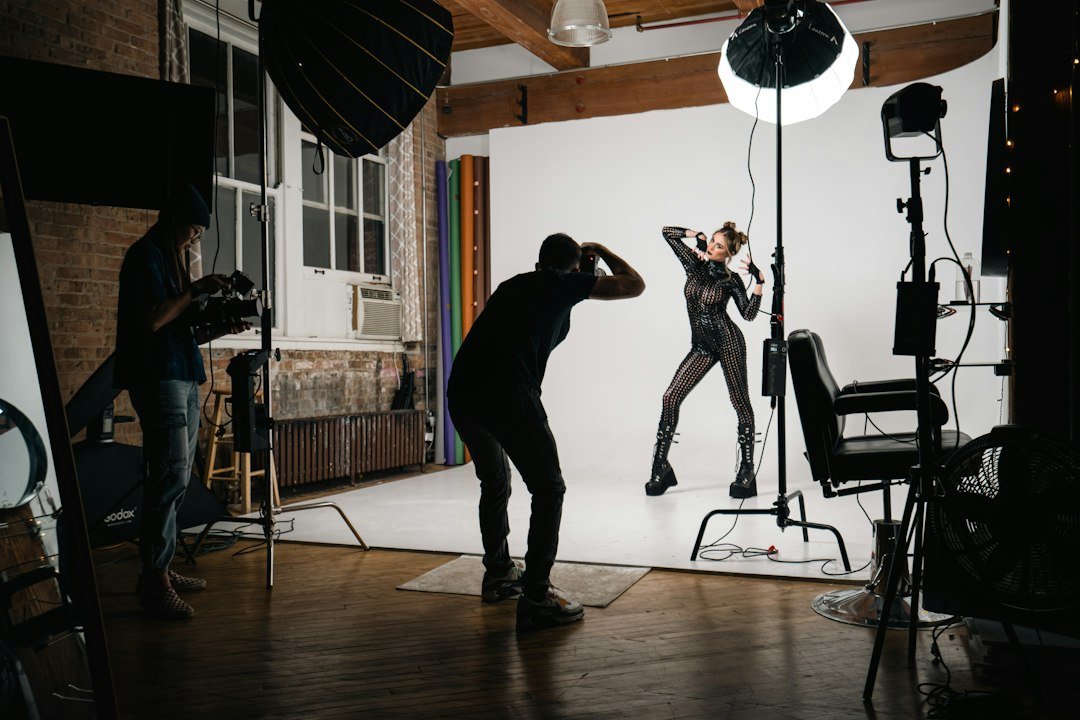
Few names carry as much weight in fashion imagery as Ellen von Unwerth. Her work is sought after by magazines, luxury labels, and advertising agencies alike, which makes her recent comments hard to ignore. In her view, the financial foundation beneath fashion photography has largely disappeared.
A Sobering Assessment From a Industry Veteran
Speaking about the state of the profession, von Unwerth argued that there is no money left in fashion photography. Her remark cuts to the heart of a question many working photographers have been asking for years: can a career built on high-end editorial and campaign work still support a sustainable livelihood?
Her perspective carries particular weight because she has spent decades at the top of the field. When a photographer with her level of demand describes the economics as broken, it signals that the problem is not limited to emerging talent struggling to find work. It reaches established professionals as well.
Why the Business Model Has Shifted
Several forces have reshaped how fashion images are commissioned and paid for. Print magazines, once the primary showcase for editorial spreads, have reduced page counts and shrunk production budgets. Many titles now expect photographers to deliver more content for less money, often with fewer assistants, shorter shoot days, and tighter usage terms.
Digital platforms have also changed expectations. Brands increasingly want a steady stream of images for websites, social channels, and short-form video, rather than a single hero campaign. While this creates volume, it rarely matches the day rates or licensing fees that once made high-concept editorial work viable.
The Pressure on Licensing and Usage Rights
Licensing has become another point of tension. Historically, photographers earned money not only from the shoot itself but also from how and where an image was used over time. Today, clients frequently ask for broad, perpetual rights across every medium at a single fee. For photographers, that means surrendering long-term earning potential in exchange for a payment that may feel modest by comparison.
What It Means for Photographers and Agencies
For working professionals, the message is clear: diversification matters. Many photographers now combine editorial assignments with commercial commissions, personal projects, teaching, print sales, and brand partnerships. Some are building direct relationships with audiences, which reduces dependence on a shrinking pool of publishing clients.
For agencies and creative directors, the challenge is equally real. Maintaining the artistry that defines the fashion genre requires investment in skilled crews, styling, hair and makeup, and post-production. If budgets continue to contract, the risk is a visual landscape shaped more by convenience than craft.
A Conversation the Industry Cannot Avoid
Von Unwerth’s comments are unlikely to settle the debate, but they add urgency to it. Whether the fashion photography market can rebuild its financial base, or whether it will settle into a smaller, more project-driven model, remains an open question. What is certain is that photographers, clients, and publishers will need to rethink how creative work is valued if the genre is to thrive.