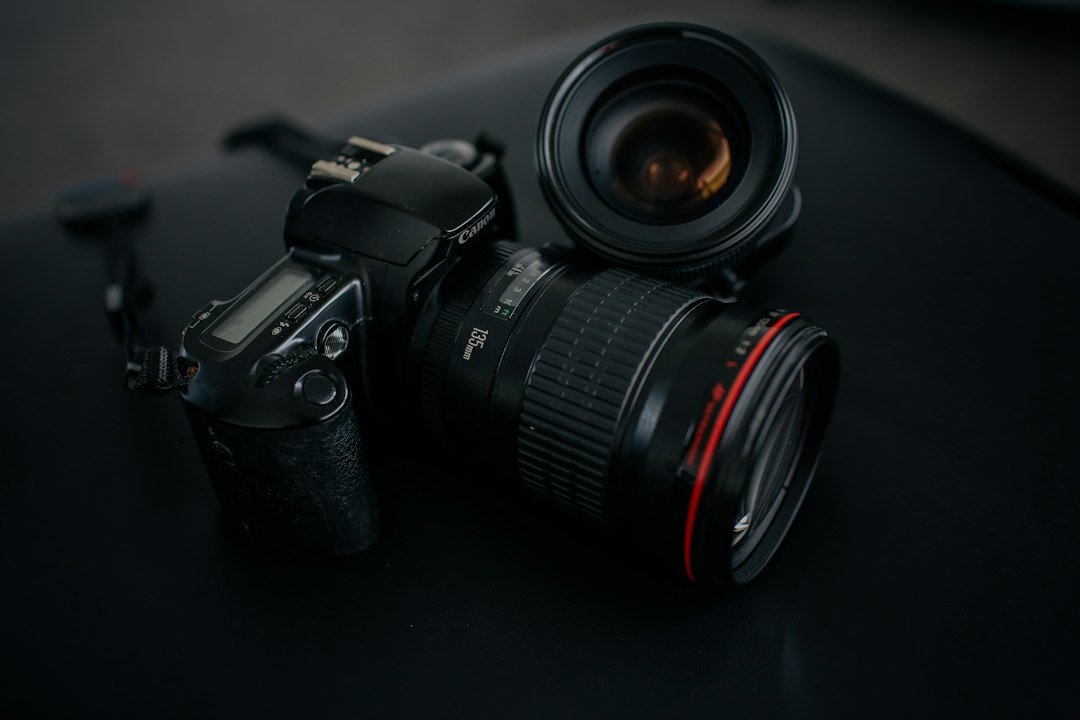
A growing number of companies are reportedly selling counterfeit fine art photography credentials to wealthy clients who want to enter the United Kingdom. The packages include polished portfolios that never existed, invented gallery shows, and press coverage that was never published, all designed to make an applicant look like a established photographer with a recognised body of work.
How the Scheme Works
The core of the operation is the portfolio. Genuine fine art photographers build their reputations over years, through a consistent visual voice, a documented exhibition history, and critical attention from curators, critics, and publications. The fabricated versions imitate this structure. They offer images that look like serious artistic work, often in styles associated with respected series or documentary projects, and pair them with exhibition listings and articles that appear legitimate at first glance.
For a visa application, appearances matter. Immigration authorities assess evidence of sustained achievement, and a convincing set of exhibition records and media mentions can make an applicant’s claims look far more credible than they really are. That is precisely why these services are attractive to people with money but little real connection to the profession.
Why the UK Route Is Being Targeted
The United Kingdom’s talent visa pathways are designed to attract individuals who have demonstrated exceptional ability in fields such as the arts, science, and culture. Applicants generally need to show evidence of recognised achievement and, in many cases, support from an endorsing organisation. Those requirements are intended to reward genuine talent, and they are exactly what fraudulent operators try to imitate.
The appeal for clients is clear. A successful application can open the door to living and working in Britain, and a fictitious creative career provides a plausible explanation for the move. For the intermediaries selling these packages, the business model relies on the gap between how a portfolio looks and how it was actually built.
Why It Matters to the Photography Community
Fraud of this kind does more than break immigration rules. It undermines the credibility of the entire fine art photography field. Galleries, competitions, and publications depend on trust in submissions and credentials. When fabricated exhibitions and press pieces circulate, they devalue the work of artists who have earned their place through years of practice, editorial scrutiny, and public presentation.
It also creates real risks for honest applicants. Visa authorities that encounter suspected fraud may scrutinise similar cases more closely, which can slow or complicate legitimate applications from working photographers.
What Photographers and Authorities Can Do
Verification is the best defence. Photographers seeking to document their careers should keep records of exhibitions, commissions, publication credits, and awards, and they should be able to point to independently verifiable sources. For immigration bodies and endorsing organisations, careful checks on exhibition venues, publication histories, and the origin of supporting letters can help separate authentic achievement from manufactured evidence.
For anyone considering a service that promises a ready-made creative career, the warning signs are usually visible: guaranteed outcomes, unusually fast results, portfolios with little traceable history, and exhibitions or articles that cannot be found outside the sales material.
The Bottom Line
Fake fine art portfolios may look convincing on paper, but they rest on a foundation that cannot survive close examination. Genuine photographic achievement is built slowly, through visible work and honest recognition. As scrutiny of talent visas grows, the difference between real artists and manufactured credentials is likely to matter more than ever.