The Real-World Test: Beyond the Specifications
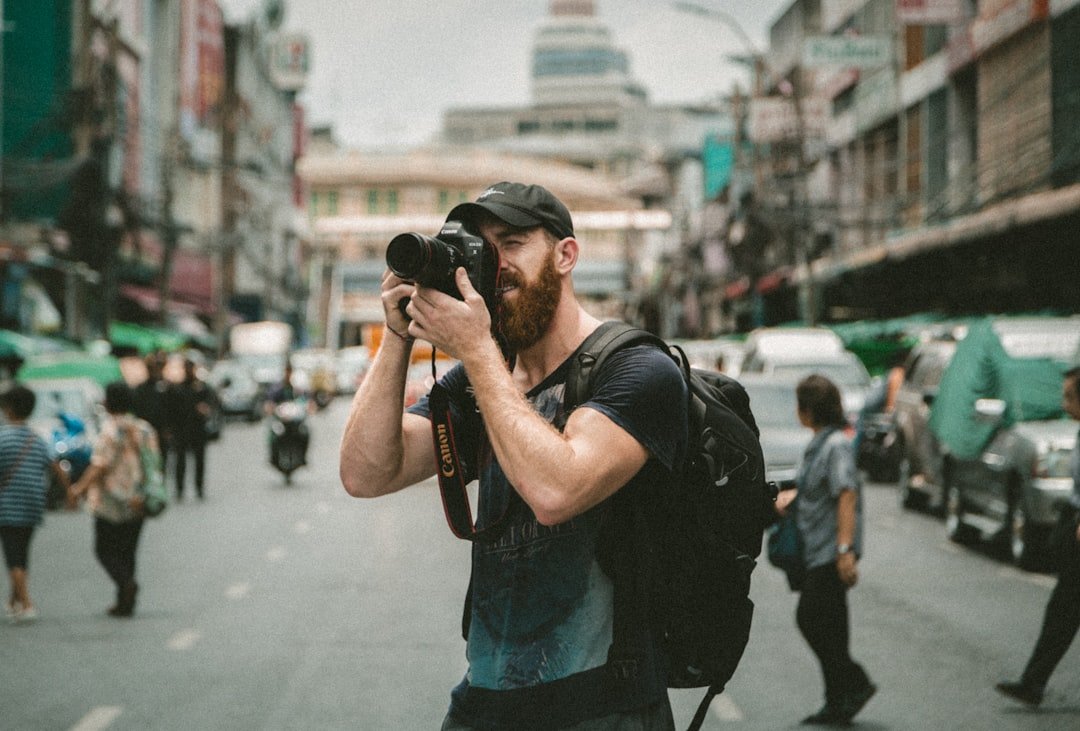
When photographers face the decision of selecting a single full-frame digital camera for travel photography, the choice extends far beyond what manufacturers list on their specification sheets. While online comparisons may suggest that cameras within similar price brackets are essentially interchangeable, the reality emerges only when you’re navigating crowded streets with a camera around your neck for eight consecutive hours.
The three critical dimensions that separate otherwise comparable full-frame systems are color science rendering, physical form factor, optical image stabilization performance, and overall investment cost. Each of these factors plays a substantial role in determining which camera becomes your preferred companion on assignment.
Understanding Color Science in Practice
Color interpretation remains one of the most overlooked yet consequential distinctions between contemporary full-frame platforms. Different manufacturers employ proprietary algorithms that influence how skin tones appear, how foliage renders, and how dynamic range gets preserved in challenging lighting situations. These differences become particularly apparent when processing travel photographs featuring diverse cultural environments and varying atmospheric conditions. A camera that excels in warm, golden-hour cinematography might struggle with cool, overcast conditions—or vice versa.
Ergonomics and Practical Portability
The physical dimensions and weight distribution of your chosen system directly impact your shooting consistency throughout a demanding travel itinerary. While specification sheets dutifully report measurements in millimeters and grams, the tactile experience of handling a camera for extended periods reveals preferences that no data sheet can communicate. Grip design, button accessibility, and overall balance when paired with travel-appropriate lenses become increasingly relevant when you’re managing both photography responsibilities and the logistical demands of moving between locations.
Stabilization Technology Matters in Motion
In-body image stabilization has become a defining feature for travel photographers working with handheld techniques. The efficacy of different stabilization implementations varies considerably, particularly when shooting handheld video or capturing scenes in subdued interior lighting. This technological advantage proves invaluable when traveling with lighter zoom lenses, enabling shutter speeds that would otherwise require tripod support or higher ISO sensitivity.
Making the Investment Decision
Budget considerations inevitably shape the final selection. However, the lowest-priced option rarely emerges as the most practical solution when evaluated through the lens of real-world deployment. The superior performer often represents an optimal balance between fiscal responsibility and the tangible advantages that manifest during actual shooting assignments.
Ultimately, determining which full-frame system deserves your travel budget requires genuine hands-on evaluation across multiple scenarios. Renting equipment for several days or borrowing from photography colleagues provides invaluable insight that surpasses theoretical comparisons. The camera that feels most intuitive, delivers the color character you prefer, and functions reliably throughout extended shooting sessions emerges as the genuine victor—not because of benchmark measurements, but because it seamlessly integrates into your photographic workflow when circumstances matter most.