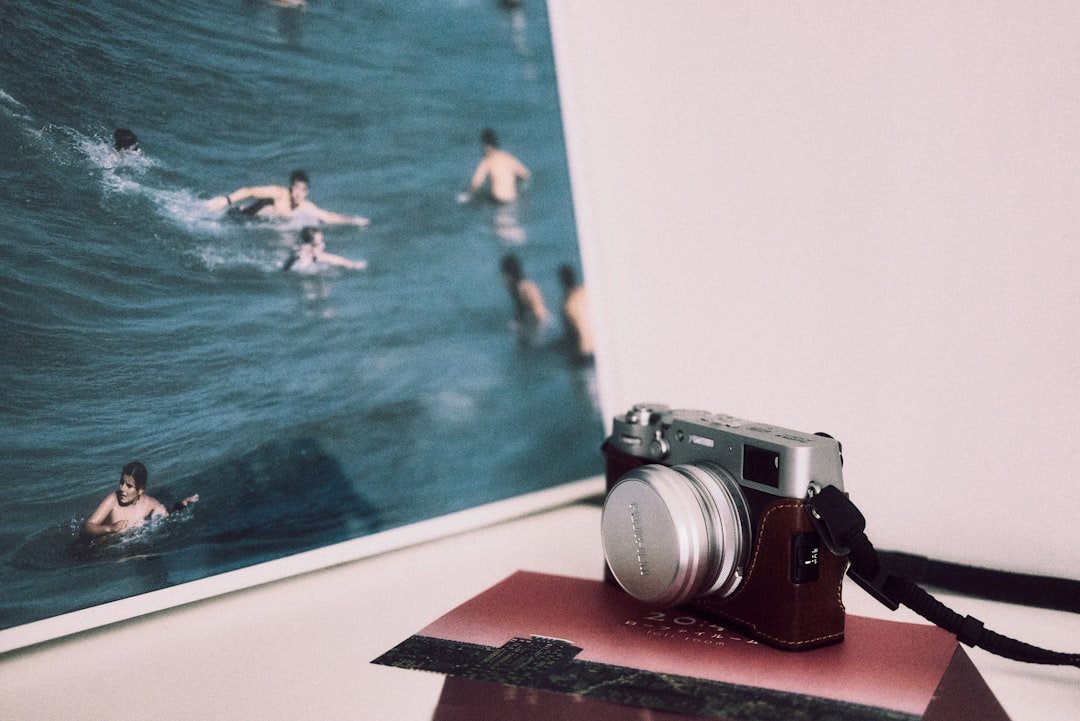
Beyond the Initial Hype: A Year-Long Evaluation
The Fujifilm X100 VI has emerged as one of the most celebrated fixed-lens cameras in contemporary photography circles, generating considerable enthusiasm within both professional and enthusiast communities. However, spending an extended period with this camera—particularly across diverse international assignments spanning multiple continents—reveals insights that traditional short-term reviews simply cannot capture.
After accumulating over 10,000 exposures during an extended travel and commercial work campaign covering Japan, Mexico, Hawaii, Brazil, and Australia, the real-world performance of this compact system becomes evident. Extended field use under varying environmental conditions, diverse lighting situations, and demanding professional workflows provides a perspective far more comprehensive than what a standard two-week evaluation can deliver.
Durability and Reliability in the Field
One of the critical factors in assessing any professional tool is its ability to withstand continuous use across different climates and shooting scenarios. The X100 VI’s weather-sealed magnesium alloy chassis proved resilient through tropical humidity, salt spray exposure, and diverse temperature fluctuations encountered across multiple continents. The fixed 23mm f/2 Fujinon lens, while initially appearing limiting, demonstrated exceptional optical consistency and mechanical robustness throughout the evaluation period.
Practical Performance for Commercial Applications
From a commercial perspective, the camera’s compact form factor and unobtrusive profile proved advantageous in documentary and travel photography assignments where subjects remain less aware of photographic capture. The film simulation modes—particularly the proprietary Fujifilm color science—provided efficient color rendition that frequently required minimal post-processing intervention, ultimately streamlining workflow efficiency on deadline-driven projects.
The autofocus system demonstrated remarkable speed and accuracy across the varied shooting environments encountered, from vibrant street scenes to interior architectural documentation. Battery performance, while modest in raw specification, proved adequate for typical daily shooting sessions when managed thoughtfully.
Areas of Consideration
No extended field test would be comprehensive without acknowledging limitations. The fixed-lens design, while intentionally constraining, occasionally necessitated repositioning to achieve desired compositional framing. The rear LCD screen’s brightness proved challenging during intense tropical sunlight, particularly when reviewing exposures in field conditions. Additionally, the absence of in-body stabilization becomes noticeable during lower-light documentary work, though this remains a deliberate design choice.
Broader Context in the Compact Camera Market
Within the contemporary landscape of premium compact cameras, the X100 VI occupies a distinctive position. It prioritizes optical excellence and tactile operation over extensive technological features, appealing to photographers who value straightforward, mechanical control paired with excellent image quality. This philosophical approach remains relevant for professionals seeking reliability and consistency rather than technological complexity.
Final Assessment
Extended real-world deployment reveals the X100 VI as a capable and dependable professional tool for photographers embracing its intentional constraints. The combination of dependable mechanics, consistent image quality, and ergonomic design justifies its position as a serious consideration for travel photographers and documentary practitioners. While not universally suitable for every photographic discipline, its specialized strengths become increasingly apparent through prolonged practical use rather than laboratory conditions or brief demonstration periods.