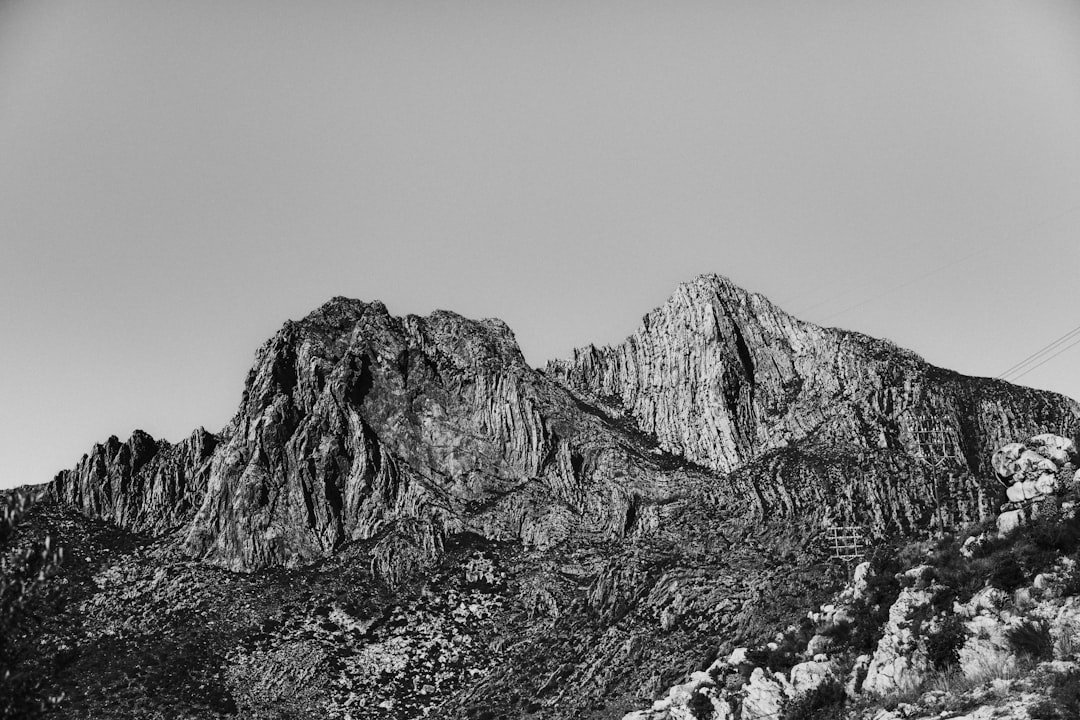
Danziger Gallery Stands Firm on Computational Imaging Project
A Manhattan-based gallery has issued a formal response regarding its controversial decision to exhibit an artificially-generated interpretation of Ansel Adams’ celebrated landscape masterpiece, Moonrise, at New York’s premier photography exposition. The initiative has ignited substantial discourse within the photographic community regarding artistic ownership, generative technologies, and the boundaries of creative expression.
The proprietor of the Danziger Gallery maintains that the institution possesses legitimate justification for pursuing this computational recreation. The piece was presented during The Photography Show, one of the industry’s most significant annual gatherings for collectors, professionals, and enthusiasts alike.
The Convergence of Tradition and Innovation
This incident underscores the mounting tension between established photographic traditions and emerging digital methodologies. Adams’ Moonrise stands as one of the most instantly recognizable landscape photographs in history, representing the pinnacle of mid-twentieth-century fine art photography and darkroom mastery. The iconic composition has become synonymous with the discipline itself.
The decision to generate an algorithmic variant of such a culturally significant work raises multifaceted questions regarding intellectual property, artistic interpretation, and the definition of originality in contemporary practice. These concerns extend beyond this singular instance, reflecting broader industry conversations about the role of machine-learning technologies in visual creation.
Industry Perspective and Implications
Photography professionals and curators have expressed divergent viewpoints regarding this undertaking. Some practitioners view generative artificial intelligence as a legitimate artistic tool analogous to previous technological innovations in the medium, while others maintain concerns about authorship attribution and the commodification of foundational works.
The gallery’s position suggests a perspective wherein computational interpretation constitutes a separate creative act, distinguishable from the original photographic work. This interpretation challenges traditional notions of artistic exclusivity and reproduction rights that have governed fine art photography for generations.
Moving Forward
As these technologies become increasingly sophisticated and accessible, the photographic establishment continues wrestling with regulatory frameworks and ethical guidelines. Industry organizations, legal experts, and creative practitioners are collectively developing standards for appropriate usage of generative systems in relationship to existing iconic imagery.
The Danziger Gallery situation exemplifies the nuanced intersection of artistic freedom, technological capability, and ethical responsibility that defines contemporary creative practice. Whether this particular instance represents progressive innovation or problematic overreach likely depends on individual philosophies regarding artistic boundaries and the evolution of photographic expression in the digital era.