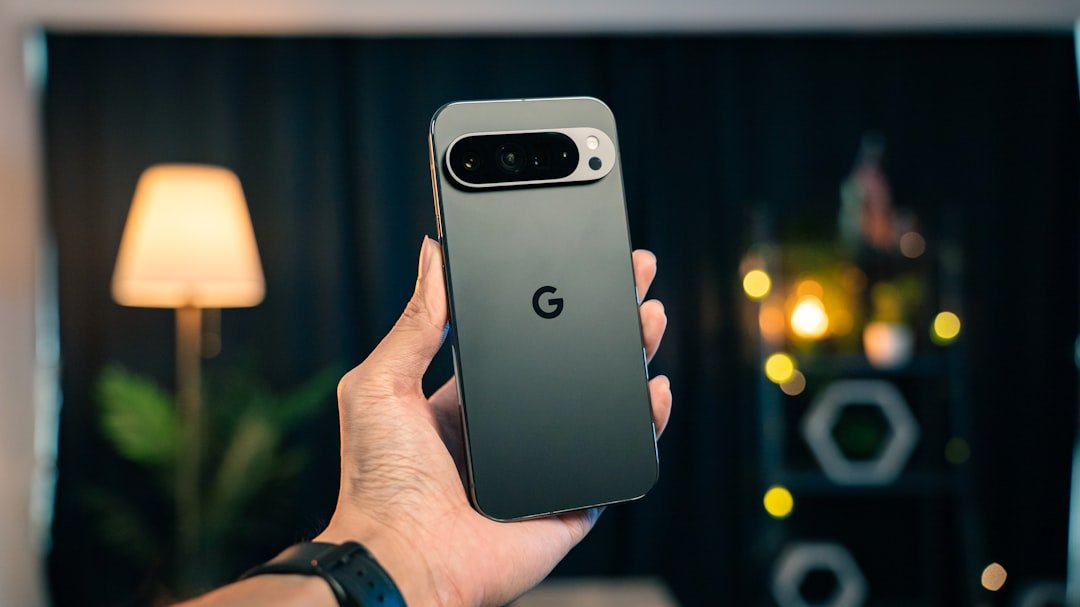
Google Introduces Next-Generation Pixel Lineup with Cutting-Edge Camera Systems
The technology giant has officially announced its latest flagship smartphone collection, comprising three distinct models designed to cater to varying user demographics and professional photography requirements. The new Pixel 11 iteration arrives alongside premium variants, marking a significant leap forward in mobile computational photography.
This generational update introduces substantial enhancements to the imaging capabilities that have become synonymous with Google’s smartphone ecosystem. The company has prioritized photographic innovation, incorporating advanced sensor technology and sophisticated algorithmic processing that positions these devices at the forefront of mobile camera performance.
A Tiered Approach to Professional Mobile Photography
The three-device strategy reflects Google’s commitment to serving both casual enthusiasts and dedicated content creators. The standard Pixel 11 delivers compelling imaging prowess for everyday users, while the Pro and Pro XL configurations introduce enhanced optical systems and expanded computational resources tailored for professionals seeking maximum flexibility in post-production workflows.
From a technical standpoint, these developments represent meaningful progress in areas that have traditionally challenged smartphone cameras—low-light performance, dynamic range retention, and color accuracy in challenging lighting conditions. The integration of machine learning algorithms enables real-time scene recognition and intelligent exposure optimization, empowering photographers to achieve publication-quality results without extensive post-processing.
Integration of Advanced AI Capabilities
Beyond photographic enhancements, Google has seamlessly incorporated its proprietary artificial intelligence platform into the mobile experience. This integration enables sophisticated image analysis, context-aware editing suggestions, and intelligent asset organization—transforming how users interact with their visual media libraries.
The computational photography approach extends beyond static image capture to encompass video recording and real-time creative tools. These features democratize professional-grade video production capabilities, previously reserved for dedicated equipment, making them accessible through a consumer-friendly interface.
Industry Implications and Market Positioning
The release carries significant implications for the broader smartphone industry. By continuing to innovate in imaging technology rather than pursuing marginal hardware specifications improvements, Google demonstrates a philosophy centered on practical user benefits. This approach resonates with photographers and content creators who recognize that intelligent software often outperforms raw hardware specifications in delivering superior visual results.
For professional photographers considering smartphone integration into their workflow, these devices offer compelling advantages. The ability to capture, edit, and share publication-ready content from a pocket-sized device addresses genuine production bottlenecks faced by modern visual storytellers across journalism, commercial photography, and social media content creation.
Looking Forward
As mobile imaging continues converging with traditional photography technology, Google’s systematic refinement of computational photography principles establishes a compelling foundation for future innovation. The Pixel 11 series represents both an incremental step and a broader statement about the company’s vision for mobile-first visual creation in an increasingly connected world.