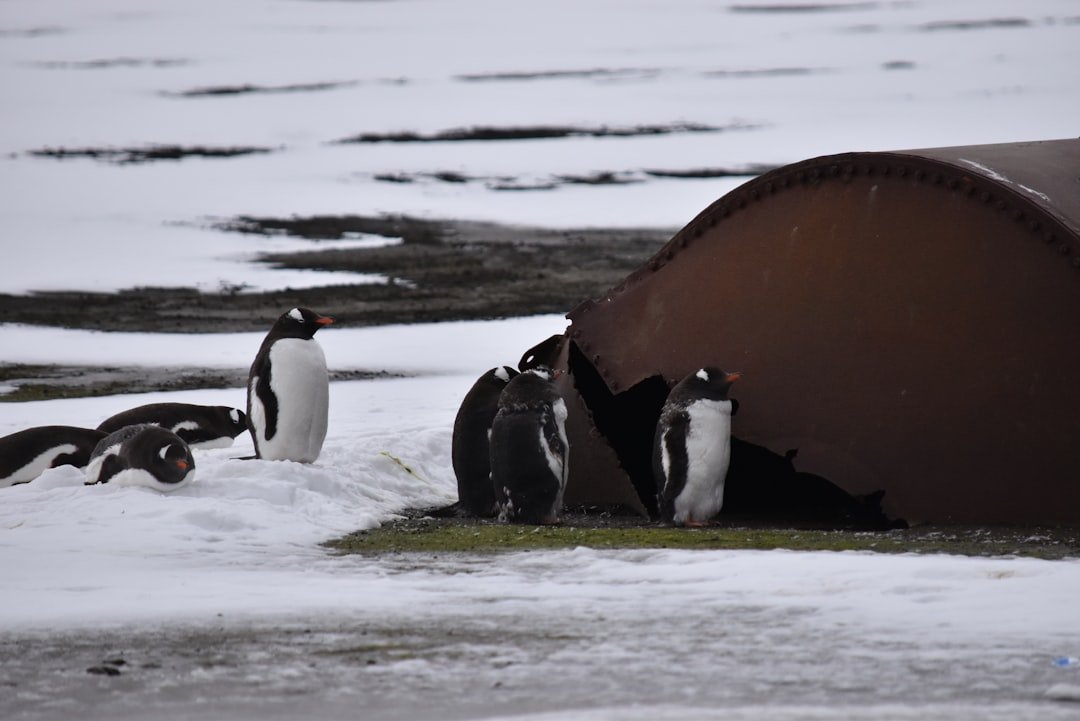
Groundbreaking Antarctic Wildlife Photography Achievement
In a remarkable feat of wildlife documentation, a seasoned photographer has successfully documented previously unseen footage of the elusive Ross seal navigating through Antarctica’s frigid waters. This accomplishment represents a significant milestone in marine mammal photography, offering the scientific community and general audiences their first authentic visual record of this captivating species in its natural habitat.
The Ross seal, renowned among marine biologists for its reclusive nature and limited human exposure, inhabits the most remote regions of the Antarctic continent. These pinnipeds, characterized by their distinctive features and compact frame, have historically proven extraordinarily difficult to photograph due to their preference for isolated pack ice and deep-water environments. The successful capture of swimming behavior marks a watershed moment in Antarctic exploration photography.
Technical Excellence Meets Natural Discovery
Executing this photographic project demanded sophisticated equipment and refined field techniques. The photographer employed specialized underwater imaging systems capable of withstanding extreme polar conditions, combined with rapid shutter speeds essential for documenting dynamic aquatic movement. The challenging lighting conditions inherent to Antarctic waters required advanced post-processing methodologies to preserve detail while maintaining authenticity.
The documentation process itself exemplifies modern conservation photography—blending artistic vision with scientific rigor. Each frame provides researchers with behavioral insights previously available only through limited anecdotal observations or indirect evidence. The visual data captured demonstrates the seal’s graceful aquatic locomotion and feeding strategies, offering educators and marine scientists invaluable reference material.
Implications for Marine Conservation
Beyond the aesthetic triumph, these photographs carry substantial research value. They contribute meaningfully to our understanding of seal species adaptation to extreme polar ecosystems. Wildlife photographers operating in remote environments serve as crucial ambassadors for conservation initiatives, translating complex ecological information into compelling visual narratives that resonate with diverse audiences.
The project underscores photography’s dual role in contemporary environmental discourse. While serving documentary and scientific functions, compelling wildlife imagery simultaneously engages public consciousness about pristine ecosystem preservation. In an era of climate volatility affecting polar regions, such visual documentation becomes progressively valuable for establishing baseline behavioral and environmental records.
Photography Innovation in Extreme Environments
This achievement demonstrates the evolving capabilities of contemporary imaging technology when deployed in Earth’s most inhospitable regions. Modern equipment configurations permit photographers to venture into territories previously considered logistically prohibitive, expanding our collective visual knowledge of planetary biodiversity. The technical obstacles overcome—including equipment maintenance in subzero temperatures, iceberg navigation, and animal approach methodology—illustrate the dedication required for breakthrough wildlife photography.
The successful capture resonates throughout professional photography communities, inspiring continued investment in polar documentation projects. As climate patterns continue shifting, such photographic achievements gain heightened urgency, serving as visual anchors for understanding how wildlife populations respond to environmental transformations.
These inaugural images represent far more than momentary visual documentation; they constitute a permanent scientific and cultural record of a species previously confined to human imagination and scientific abstraction. For photographers, researchers, and conservationists alike, this milestone demonstrates photography’s profound capacity to bridge scientific inquiry and global environmental awareness.