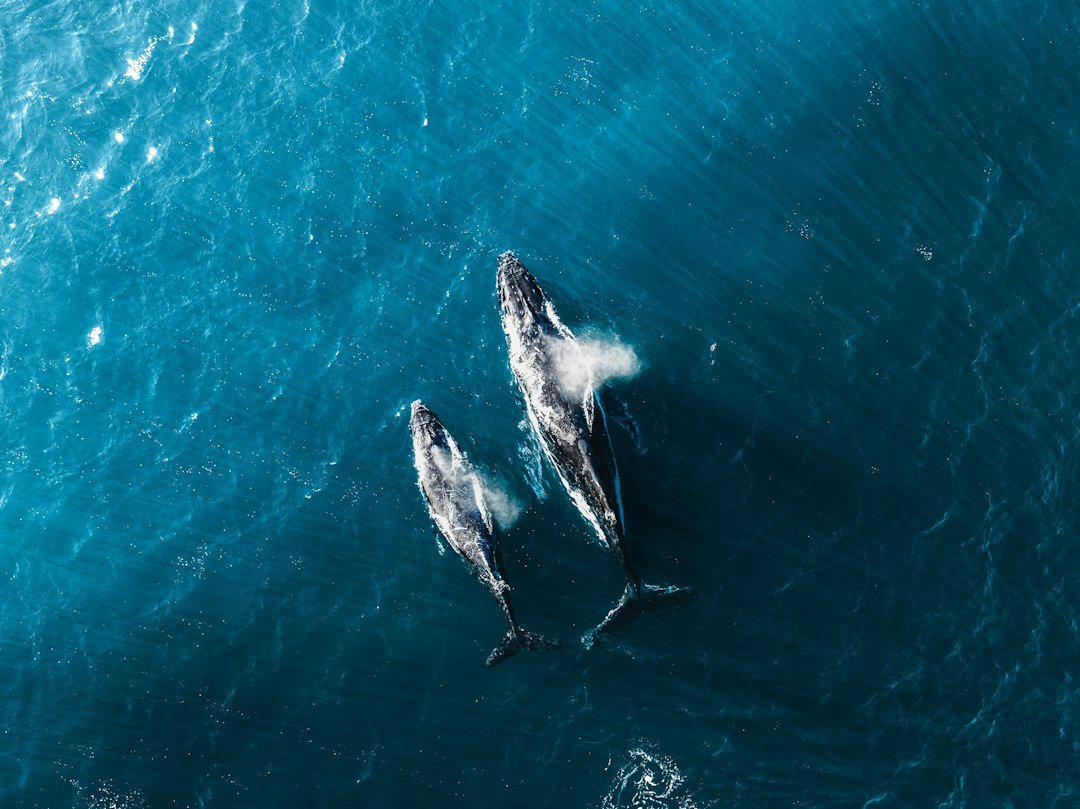
The Democratization of Aerial Wildlife Cinematography
The landscape of wildlife documentation has undergone a seismic shift over the past decade. What was once exclusively the domain of seasoned photojournalists equipped with specialized equipment and substantial budgets has become increasingly accessible to enthusiasts and professionals alike. This transformation owes much to the proliferation of affordable, high-performance unmanned aerial vehicles (UAVs) that deliver cinematic-quality footage without requiring years of technical expertise or significant financial investment.
From Professional Gatekeeping to Mass Accessibility
Historically, capturing compelling wildlife imagery demanded not only technical mastery but also expensive camera systems, helicopter access, and extensive field experience. The barrier to entry was formidable, effectively limiting wildlife documentation to a select cohort of established photographers and filmmakers. Today’s technological landscape tells a markedly different story.
The emergence of sophisticated consumer-grade drones has fundamentally altered this dynamic. These compact yet capable systems incorporate stabilized 4K cameras, extended flight times, and intelligent tracking features that would have seemed like science fiction merely a decade ago. This accessibility means that unexpected wildlife moments can now be captured by virtually anyone possessing a drone and basic piloting competency.
A Compelling Case Study
A recent example perfectly illustrates this shift: a commercial fisherman, whose professional focus lies entirely outside the photography industry, managed to document extraordinary cetacean feeding behavior using consumer-grade aerial technology. The incident showcases how these tools have transcended their original entertainment applications to become legitimate instruments for wildlife observation and scientific documentation.
Such footage would have previously required coordinated efforts between marine biologists, professional cinematographers, and charter vessel operators—a logistically complex and prohibitively expensive undertaking. Now, fortunate positioning and a readily available drone enabled the capture of genuinely remarkable marine behavior footage.
Technical Capabilities Driving This Revolution
Modern consumer drones feature several specifications that enable compelling wildlife documentation: stabilized sensor systems capable of capturing ultra-high-definition video, extended operational ranges allowing pursuit of mobile subjects, and sophisticated computational photography features that compensate for challenging environmental conditions. Many incorporate intelligent autofocus systems and dynamic range management that rival considerably more expensive traditional cinema equipment.
Implications for Wildlife Documentation
This democratization presents both opportunities and considerations. On the positive side, increased documentation generates unprecedented volumes of behavioral and ecological data. Crowdsourced wildlife footage has already contributed meaningfully to scientific understanding of animal behavior, migration patterns, and population dynamics.
However, this proliferation also raises questions regarding ethical implementation, wildlife disturbance protocols, and responsible operational practices. Regulatory frameworks continue evolving to balance the benefits of widespread documentation with necessary protections for sensitive species and ecosystems.
Looking Forward
The trajectory suggests continued accessibility improvements and capability enhancements. As sensor technology advances and operational costs decrease further, wildlife documentation will likely become even more democratized. Professional cinematographers are simultaneously pushing these tools toward increasingly sophisticated applications, creating a positive feedback loop of innovation.
The fisherman capturing extraordinary whale footage exemplifies a broader truth: the specialized domain of professional wildlife photography has transformed into something far more inclusive, enabling compelling visual documentation from unexpected sources and perspectives.