A Studio Workhorse Gets Street-Ready Performance
The Hasselblad X2D II represents a pinnacle of medium format imaging, combining a formidable 100-megapixel sensor with the Swedish manufacturer’s legendary optical heritage. Yet like many high-resolution studio instruments, it traditionally carried a reputation for measured, methodical operation rather than spontaneous responsiveness—until a critical engineering refinement shifted the narrative entirely.
The distinction between a camera optimized for controlled environments and one capable of handling unpredictable real-world conditions often hinges on a single technological advancement. For this particular platform, that breakthrough centers on the autofocus mechanism, elevating what was previously categorized as a specialized tool into a genuinely versatile instrument suited to diverse shooting scenarios.
The Performance Paradox in Medium Format
Photographers working with medium format digital systems have long accepted certain tradeoffs. The expanded sensor real estate that delivers exceptional detail and tonal gradation traditionally demands extended processing times and deliberate operation. This calculus made perfect sense for commercial studios, fashion setups, and landscape work where composition and lighting could be meticulously orchestrated.
However, contemporary photographic demands increasingly blur these boundaries. Contemporary professionals frequently transition between controlled assignments and editorial projects requiring nimble adaptation. A camera restricted to deliberate focusing becomes a liability when unexpected moments demand immediate capture.
The Autofocus Revolution
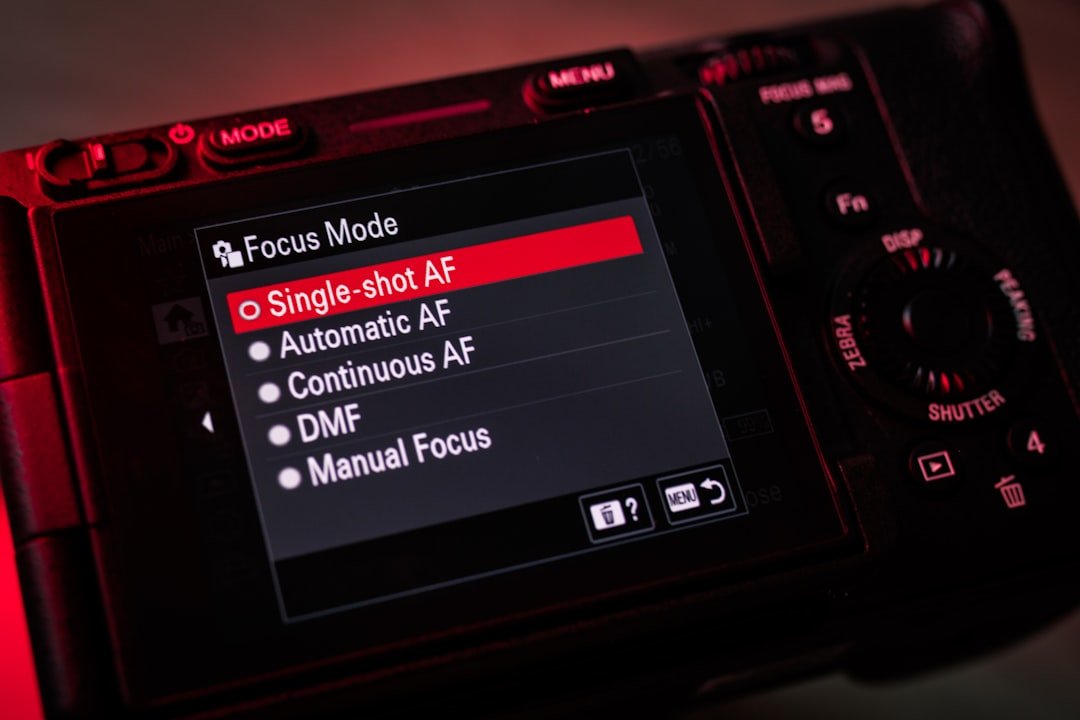
The enhanced focusing system transforms the X2D II’s operational character fundamentally. Rather than relegating users to manual focusing or accepting sluggish acquisition speeds, this refinement enables the platform to compete with purpose-built cameras designed explicitly for dynamic environments. The improvement manifests not merely in speed metrics but in predictability and reliability under varied lighting conditions.
This advancement reflects broader industry evolution toward hybrid cameras—instruments no longer confined to singular purposes. Manufacturers increasingly recognize that professional photographers demand equipment capable of excel across multiple disciplines without substantial compromises.
Practical Implications for Working Photographers
The significance extends beyond technical specifications. Consider a commercial photographer tasked with capturing environmental portraits during golden hour, followed by fast-paced event documentation. Previously, camera selection necessitated uncomfortable compromises. Now, the refined autofocus capability permits seamless transitions between deliberate composition work and reactive moment-capture.
The responsiveness enhancement particularly benefits fashion and lifestyle photographers who require medium format’s legendary color science and resolution while navigating unpredictable on-location conditions. Street photographers, traditionally dismissive of medium format possibilities, might discover unexpected creative opportunities.
Technical Achievement Meets Practical Reality
What elevates this particular enhancement beyond mere specification improvement is its philosophical significance. The engineering accomplishment demonstrates that medium format systems need not remain tethered to studio conventions. By addressing the specific bottleneck limiting spontaneous capture, Hasselblad validates that sensor size and operational responsiveness represent complementary rather than competing priorities.
This development carries implications throughout the medium format landscape, signaling that manufacturers increasingly prioritize user flexibility and real-world application over narrow specialization. As digital imaging technology matures, cameras that can intelligently balance technical excellence with operational versatility will inevitably appeal to the broadest professional audiences.