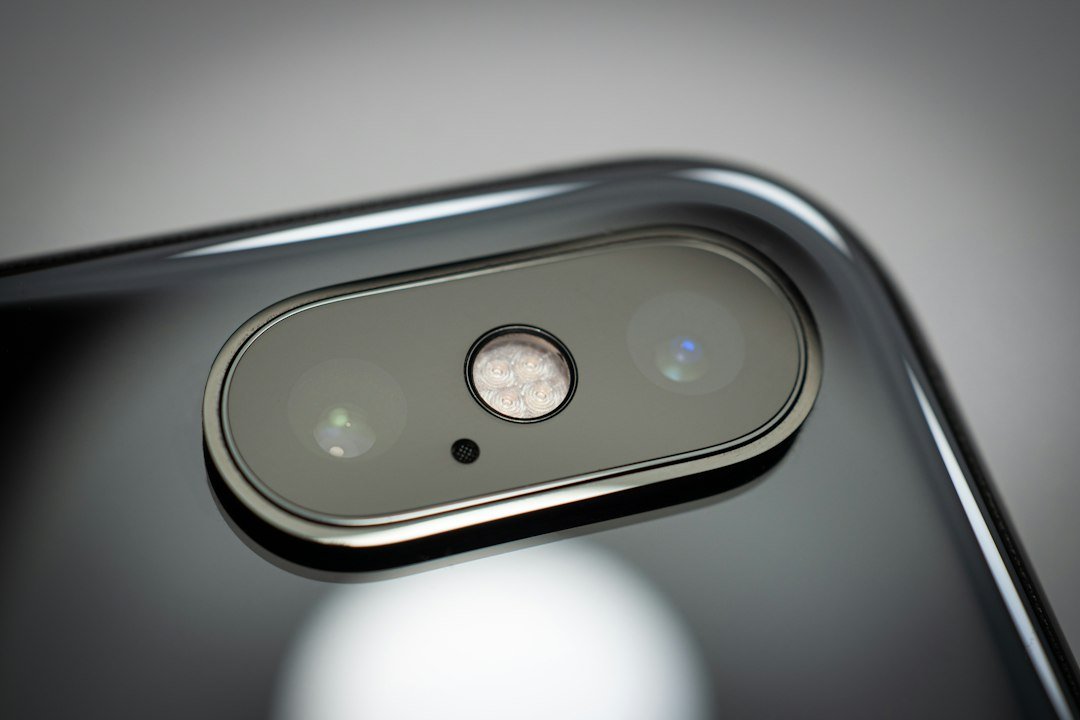
Huawei’s Bold Entry Into Modular Mobile Photography
Huawei has taken a distinctive approach to mobile imaging by introducing the Ruiying Z10, a comprehensive camera system designed as an attachable accessory for smartphones. Rather than following the industry trend of incremental lens upgrades, the Chinese technology manufacturer has opted to deliver a fully-featured independent imaging solution that transforms how users approach mobile photography.
The Ruiying Z10 represents a significant departure from conventional smartphone camera accessories. While competitors in the sector—notably Vivo in partnership with renowned optics manufacturer Zeiss—have focused on developing supplementary teleconverter lenses that extend focal length capabilities, Huawei’s offering encompasses an entirely self-contained imaging platform. This distinction positions the device as a more ambitious undertaking within the accessory photography market.
Technical Specifications and Imaging Capabilities
At the heart of the Ruiying Z10 lies a 50-megapixel image sensor, delivering substantial resolution for contemporary photography demands. The integrated zoom lens provides photographers with versatile focal length options, enabling everything from standard compositions to magnified telephoto perspectives without requiring multiple lens purchases or complex systems.
The decision to incorporate both sensor and optics into a single module addresses a growing segment of mobile photographers who demand professional-grade capabilities without committing to dedicated camera systems. This hybrid approach bridges the gap between smartphone convenience and dedicated photography equipment.
Context Within the Mobile Photography Ecosystem
The announcement arrives alongside Huawei’s broader smartphone portfolio refresh, indicating the company’s commitment to positioning mobile imaging as a central selling proposition. The modular accessory market has experienced considerable evolution, with manufacturers recognizing that serious mobile photographers often seek expandable systems rather than fixed camera configurations.
Industry observers note that this strategy differentiates Huawei from competitors who typically rely solely on computational photography enhancements and multi-lens smartphone designs. By offering a detachable, feature-complete imaging module, Huawei provides flexibility for users who may not require premium camera capabilities across their entire device lineup.
Implications for the Mobile Photography Market
The introduction of such a comprehensive accessory raises intriguing questions about the future direction of smartphone photography. As computational capabilities continue advancing, the convergence of dedicated camera systems and mobile devices becomes increasingly sophisticated. The Ruiying Z10 exemplifies how manufacturers are exploring novel configurations to serve professional and enthusiast photographers within the mobile space.
This development also reflects broader industry recognition that one-size-fits-all camera designs may not satisfy all user demographics. By offering modular solutions, manufacturers can cater to varied photographic requirements without engineering compromise.
The Ruiying Z10’s feature set positions it as a compelling option for content creators, travel photographers, and imaging enthusiasts seeking enhanced capabilities on their mobile platforms. As the accessory photography market continues maturing, such innovations will likely influence how manufacturers conceptualize mobile imaging architecture moving forward.