Apple’s Variable Aperture Innovation: Real-World Results
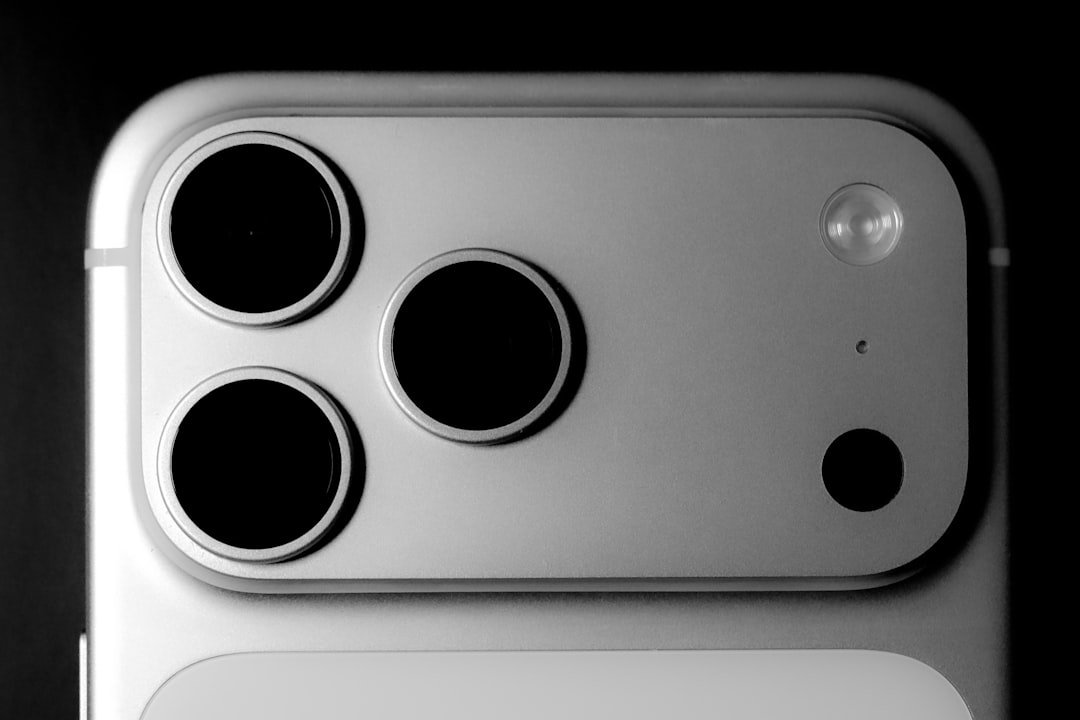
Apple has made significant strides in smartphone camera technology with the introduction of the iPhone 18 Pro and Pro Max, featuring an innovative variable aperture system on the primary imaging sensor. This groundbreaking capability allows photographers to select between four distinct aperture settings: F1.48, F1.8, F2.8, and F4.0 – marking the first time Apple has integrated this level of optical control into an iPhone device.
The standout specification here is the F1.48 maximum aperture, which represents a substantial upgrade over the F1.78 aperture found in several preceding Pro-generation models. In practical terms, this improvement enables the sensor to gather approximately 45% additional light, a meaningful advantage for low-light photography and content creation scenarios where illumination remains challenging.
Understanding Depth-of-Field Capabilities
While the variable aperture system offers photographers a degree of creative control over depth-of-field, it’s important to contextualize these capabilities within smartphone limitations. When compared to traditional full-frame camera systems, these aperture values roughly correspond to F5 through F14, meaning even at the widest F1.48 setting, smartphone sensors cannot match the extreme bokeh separation achievable with dedicated interchangeable lens cameras and professional-grade optics.
Nevertheless, the faster lens does deliver noticeable improvements. When operating at maximum aperture, the iPhone 18 Pro demonstrates modest yet visible subject isolation compared to earlier iPhone Pro generations. Stopping down through the available aperture range produces increasingly pronounced depth-of-field shifts, allowing discerning photographers to observe meaningful differences in background rendering across various settings.
Comprehensive Testing Methodology
To thoroughly evaluate this new optical capability, we compiled an extensive sample gallery featuring diverse subjects and environmental conditions. Given that the iPhone 18 Pro shares most camera specifications with its predecessor, our testing strategy deliberately emphasized maximum aperture performance to showcase both the advantages and limitations of the F1.48 setting.
Our analysis included sequential comparisons across all four aperture values, documenting how background blur characteristics transition as the lens aperture narrows. Additionally, we positioned the camera toward bright point light sources to assess optical aberrations at varying apertures, examining both lens flare characteristics and sunstar pattern generation across the aperture range.
Context for Upgrading Decisions
For consumers contemplating whether to upgrade from older iPhone Pro models, this variable aperture system represents one of the most tangible camera improvements in recent iterations. The enhanced light-gathering capability particularly benefits videography applications and photography in suboptimal lighting conditions, where the additional half-stop of light becomes genuinely advantageous.
Photographers should recognize that while this variable aperture represents genuine innovation within the smartphone category, expectations should remain calibrated to the inherent constraints of mobile imaging sensors and compact optical systems. The real-world advantage manifests most clearly in challenging illumination scenarios rather than as a wholesale replacement for dedicated camera equipment.