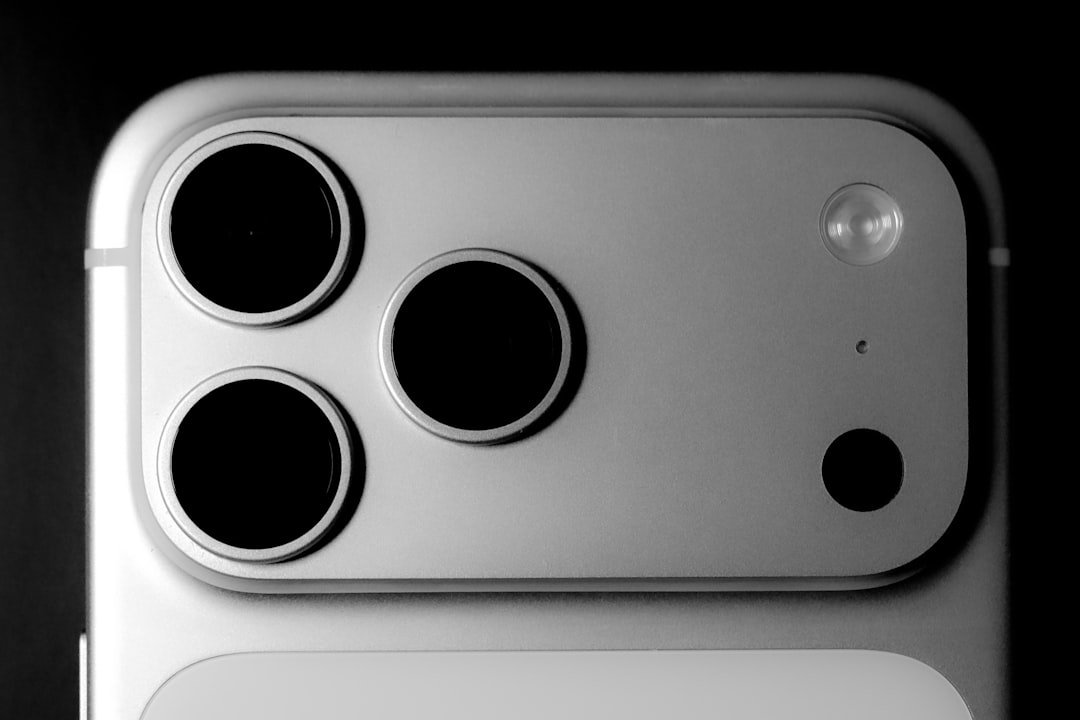
Evaluating Apple’s Latest Pro Camera Innovation
Apple’s flagship photography devices command attention each autumn, and this year’s iPhone 18 Pro models introduce a genuinely novel feature: mechanical variable aperture control on the primary camera sensor. However, determining whether this advancement justifies replacing your existing device requires careful consideration of your current equipment and photographic priorities.
The decision to upgrade smartphone cameras represents a significant commitment, particularly when manufacturers release iterative improvements alongside occasionally groundbreaking features. Unlike purchasing entirely new imaging systems, smartphone upgrades demand strategic timing—most users retain their devices for several years, making upgrade decisions consequential for daily photography and videography work.
What Makes the iPhone 18 Pro Different
The latest generation maintains the familiar triple-lens configuration with 48-megapixel Fusion sensors, which employ sophisticated pixel-binning technology combining multiple exposures for enhanced detail and dynamic range. The revolutionary addition this cycle is undoubtedly the variable aperture mechanism, offering four distinct f-stop positions: f/1.48, f/1.8, f/2.8, and f/4.
This represents substantial optical versatility, spanning approximately three stops of adjustment. While translated to full-frame equivalent terms this translates to roughly f/5 through f/14, giving cinematographers and still photographers genuine control over depth-of-field characteristics. The brightest f/1.48 setting delivers roughly half a stop improvement in light-gathering capability compared to the previous generation’s f/1.78 aperture, meaningfully enhancing low-illumination performance.
For videography enthusiasts, the variable aperture enables practical advantages in maintaining appropriate shutter speeds. In challenging lighting conditions, photographers can utilize slower shutter angles without requiring heavy neutral-density filtration. Bright daylight scenarios still necessitate substantial ND filtering for achieving cinematic 24fps operation.
Enhanced Software Capabilities
Beyond hardware refinements, Apple has integrated professional-grade camera controls directly into the native Camera application. Photographers now command manual adjustments for aperture, shutter velocity, and color temperature, accompanied by real-time histogram feedback—functionality previously reserved for dedicated third-party applications.
Computational photography enhancements include intelligent subject tracking, refined grain and texture manipulation within Photographic Styles, extended 4K/60fps Cinematic recording, and post-capture cinematic effect application. A noteworthy addition is Apple Reference Image, an authenticity verification system utilizing private cloud processing to generate cryptographically signed reference captures, providing transparent documentation of whether imagery has undergone digital modification.
Determining Your Upgrade Timeline
The variable aperture and expanded manual controls particularly benefit serious mobile photographers and content creators prioritizing creative depth control and professional-grade settings. However, users with iPhone 17 Pro devices or newer will experience incrementally smaller performance gains compared to those operating iPhone 16 or earlier generations.
The 18 Pro represents evolutionary progress in Apple’s camera trajectory rather than revolutionary transformation. Your upgrade decision should weigh current device satisfaction, specific photographic requirements, and whether current limitations significantly impact your creative output.
Comprehensive model-by-model analysis comparing performance since 2020’s iPhone 12 Pro reveals that generational improvements have become progressively more specialized, with each cycle addressing particular photographic scenarios rather than providing universally applicable enhancements. Strategic upgrade timing depends ultimately on individual usage patterns and creative ambitions rather than marketing messaging alone.