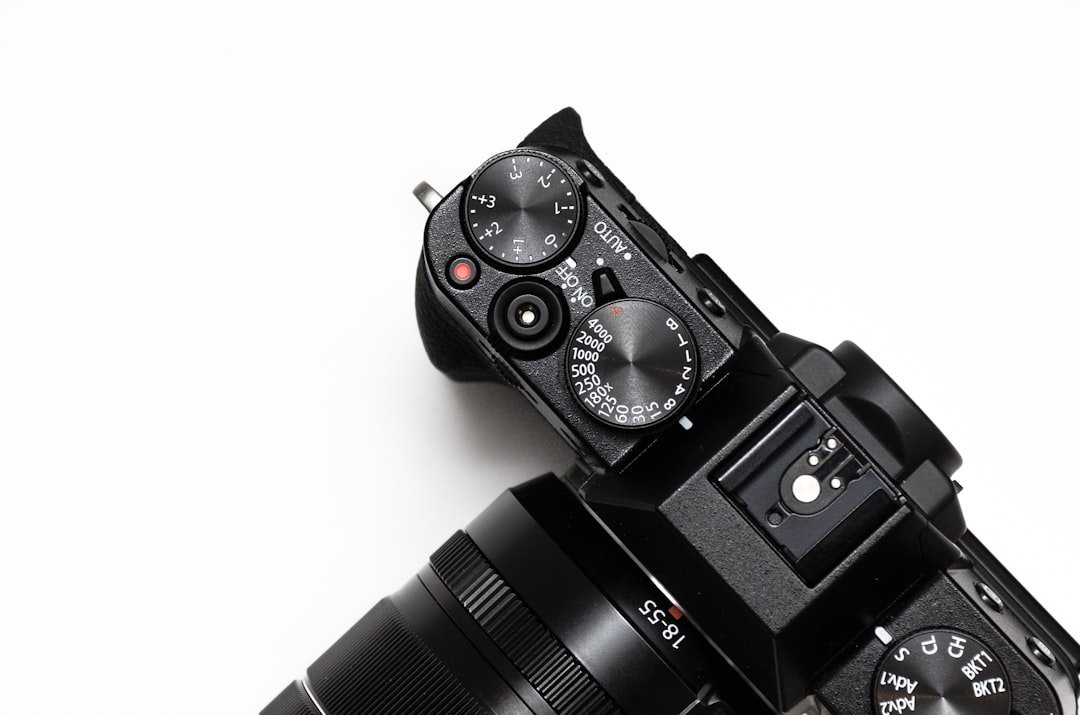
Challenging Expectations in the Luxury Camera Market
When enthusiasts think of Leica, images of compact rangefinders and prestigious heritage typically come to mind. The German manufacturer has long cultivated a reputation rooted in minimalist design philosophy and optical craftsmanship rather than cutting-edge computational imaging. Yet the introduction of the SL3-P suggests the storied brand is ready to venture into territory traditionally dominated by other manufacturers in the high-performance mirrorless segment.
This latest iteration represents Leica’s most ambitious push into professional-grade digital capture yet. Equipped with a substantial 44-megapixel sensor, the SL3-P arrives at a pivotal moment when the premium camera market continues evolving toward increasingly capable full-frame systems. The question facing potential buyers isn’t simply whether this apparatus delivers impressive specifications—rather, whether Leica’s distinctive interpretation of premium engineering justifies positioning itself alongside competitors in this particular category.
The Evolution of Leica’s Digital Strategy
For years, Leica occupied a unique niche, appealing to photographers who valued aesthetic restraint and mechanical precision over processing horsepower. The introduction of flagship mirrorless bodies marks a deliberate strategic shift. The company appears intent on broadening its appeal to working professionals and serious enthusiasts who demand the processing capabilities and autofocus performance that define contemporary digital systems.
The 44-megapixel resolution strikes a careful balance between resolution-dependent workflows and practical file management. This specification positions the camera competitively within the premium market segment without venturing into the megapixel race that characterizes some contemporary competitors.
What Sets This System Apart
Beyond mere sensor specifications, the SL3-P embodies Leica’s commitment to optical and mechanical excellence. The build quality, viewfinder technology, and overall ergonomic refinement reflect decades of engineering expertise. These attributes appeal to discerning photographers who view their equipment as long-term investments rather than disposable consumer goods.
The optical performance through Leica’s lens ecosystem remains a significant differentiator. The company’s reputation for precision-manufactured optics continues providing compelling reasons for photographers to commit to the system, particularly those already invested in the L-mount alliance.
Market Positioning and Value Proposition
The critical evaluation ultimately depends on whether photographers perceive sufficient differentiation to justify premium pricing. Leica must convince potential customers that its particular combination of performance, build quality, and optical character justifies positioning above general-market alternatives.
Industry observers will be watching closely to determine whether this flagship model successfully expands Leica’s customer base or primarily appeals to existing brand loyalists seeking performance upgrades. The answer will significantly influence the company’s trajectory within the competitive professional imaging landscape.
Whether the SL3-P represents Leica’s successful evolution or merely an interesting experiment remains to be determined through real-world usage and market reception.