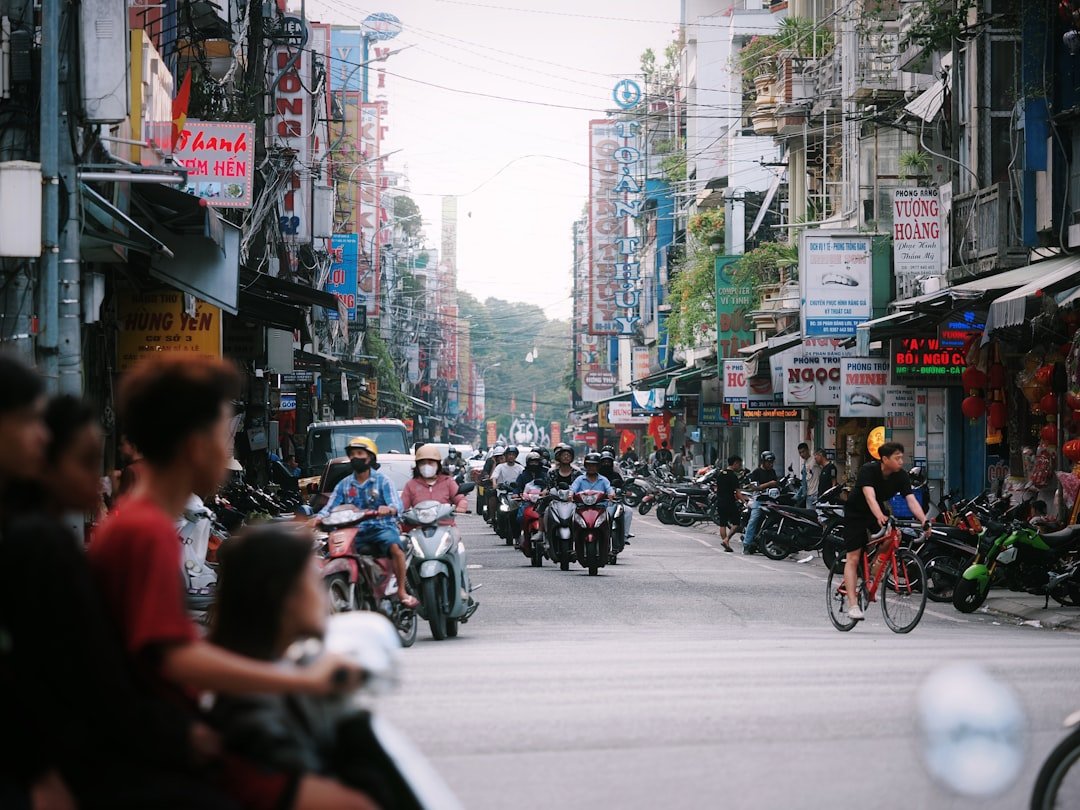
Street photography demands a unique skill set that deteriorates rapidly without consistent practice. For photographers who approach this genre intermittently rather than as a daily discipline, the challenge becomes particularly acute. The moment you step away from active shooting, your technical reflexes and compositional instincts begin to atrophy, creating a noticeable disconnect between your creative vision and your actual output when you return to urban environments.
The Skills Gap Challenge
This phenomenon is well-documented in photography circles: inconsistent practitioners often experience frustration when attempting candid street work after extended breaks. The complexity lies in the convergence of multiple variables that street photographers must manage simultaneously. Unlike controlled studio environments or landscape work where you can take time for deliberation, street photography requires split-second decision-making regarding composition, exposure, focus, and subject selection.
When you’re navigating crowded urban landscapes with camera in hand, the cognitive load intensifies dramatically. Your eye must continuously scan for compelling moments while your hands execute technical adjustments almost unconsciously. This muscle memory—both literal and visual—fades when not regularly reinforced.
Bridging the Practice-to-Performance Gap
Casual practitioners can mitigate skill erosion through targeted approaches. Regular practice sessions, even brief ones in local neighborhoods, maintain your compositional eye and camera handling proficiency. The key is establishing a sustainable routine rather than sporadic intensive sessions.
Mental Preparation Matters: Before returning to street work after a hiatus, invest time reviewing your previous work. Analyze what worked compositionally and technically. This reflective practice reorients your visual thinking without requiring you to be in the field.
Technical Muscle Memory: Familiarize yourself with your camera’s controls before heading into busy environments. Street photography’s unpredictability means you should operate your equipment intuitively, without conscious thought about settings and menus.
Compositional Foundation: Study published street photography across different eras and styles. Understanding how masters composed their frames—rule of thirds applications, leading lines, layered depth—provides conceptual templates your brain can reference during live shooting situations.
Environmental Considerations
Urban settings present particular challenges beyond technical considerations. Lighting conditions vary dramatically throughout the day and across seasons. Crowd density affects your ability to position yourself effectively. Weather conditions impact both your equipment and your creative output. These environmental variables require adaptive thinking that only develops through regular exposure and experimentation.
Establishing Sustainable Habits
Rather than viewing street photography as an occasional adventure, reframe it as an ongoing practice. Weekly shooting sessions—even thirty minutes in your immediate surroundings—prevent the significant skill degradation that occurs with longer absences. These modest commitments accumulate into meaningful competency maintenance.
The psychological dimension also deserves attention. Street photography’s inherent unpredictability can feel overwhelming if you haven’t shot regularly. Building confidence through consistent practice reduces anxiety and allows your creative instincts to flourish.
Professional photographers understand that skill maintenance requires commitment. Treating street photography practice as non-negotiable rather than optional transforms results measurably. Your technical execution sharpens, your compositional decisions become more intuitive, and the frustrating gap between vision and capture narrows considerably. The investment in consistent practice yields returns far exceeding the modest time commitment required.