Rethinking White Balance Through Selective Color Correction
Traditional post-processing often relies on broad, sweeping adjustments that treat an entire photograph as a monolithic entity. However, a sophisticated approach to color grading reveals that segmenting your image into distinct tonal regions can yield dramatically superior results compared to applying uniform temperature corrections across the frame.
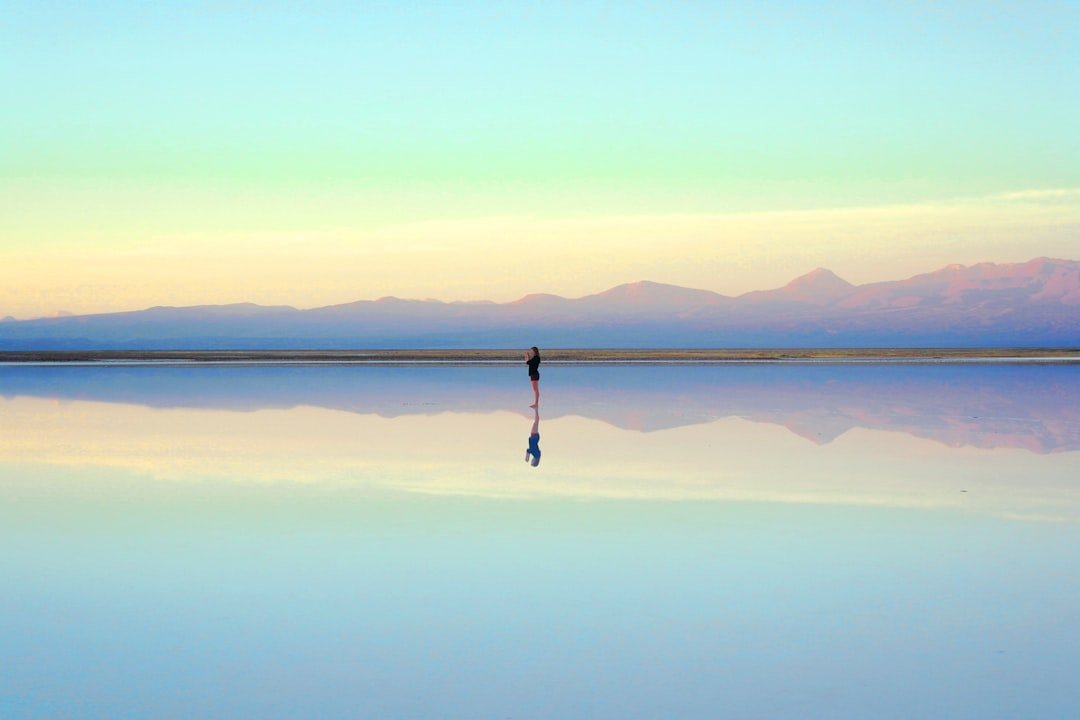
Consider a landscape photograph featuring both expansive sky and reflective water elements. Rather than applying a single white balance correction that affects every pixel equally, professional retouchers increasingly adopt a compartmentalized methodology. This technique acknowledges that different environmental zones within a single composition often possess fundamentally different color characteristics that demand individualized treatment.
The Zone-Based Color Correction Methodology
When editing such scenes, photographers can isolate the celestial portion from the aquatic elements using layer masks, luminance selections, or localized adjustment tools. This granular approach permits independent color temperature modifications for each region, creating harmonious yet authentic color relationships throughout the composition.
The practical advantage becomes immediately apparent when examining before-and-after comparisons. A single edit slider approach typically forces compromises—warming the water to achieve sunset ambiance may render the sky unnatural, while balancing the sky might leave the foreground appearing flat and uninviting. Conversely, zone-based adjustments allow photographers to enhance each element according to its unique tonal properties and the intended emotional narrative.
Technical Implementation in Modern Workflows
Contemporary digital photography software increasingly supports sophisticated tools that facilitate this selective approach. Features such as adjustment brushes, HSL (Hue, Saturation, Luminance) panels, and luminosity-based masks empower photographers to make targeted modifications without complex manual masking. This democratization of advanced color-grading techniques means that both professional retouchers and enthusiast photographers can implement these strategies efficiently.
Beyond sunset imagery, this methodology applies broadly across landscape, architectural, and portrait photography. The principle remains consistent: complex scenes benefit from thoughtful segmentation and deliberate color management rather than algorithmic oversimplification.
Why This Approach Transforms Your Editing Philosophy
Adopting zone-based color correction fundamentally shifts one’s perspective regarding post-processing strategy. Rather than viewing editing as damage control or basic optimization, photographers begin conceiving of their work as deliberate artistic interpretation. The resulting images demonstrate greater authenticity while maintaining enhanced visual impact—a balance that eludes single-slider methodologies.
For photographers seeking to elevate their technical proficiency and creative output, exploring compartmentalized color correction represents a meaningful progression in mastering modern digital photography workflows.