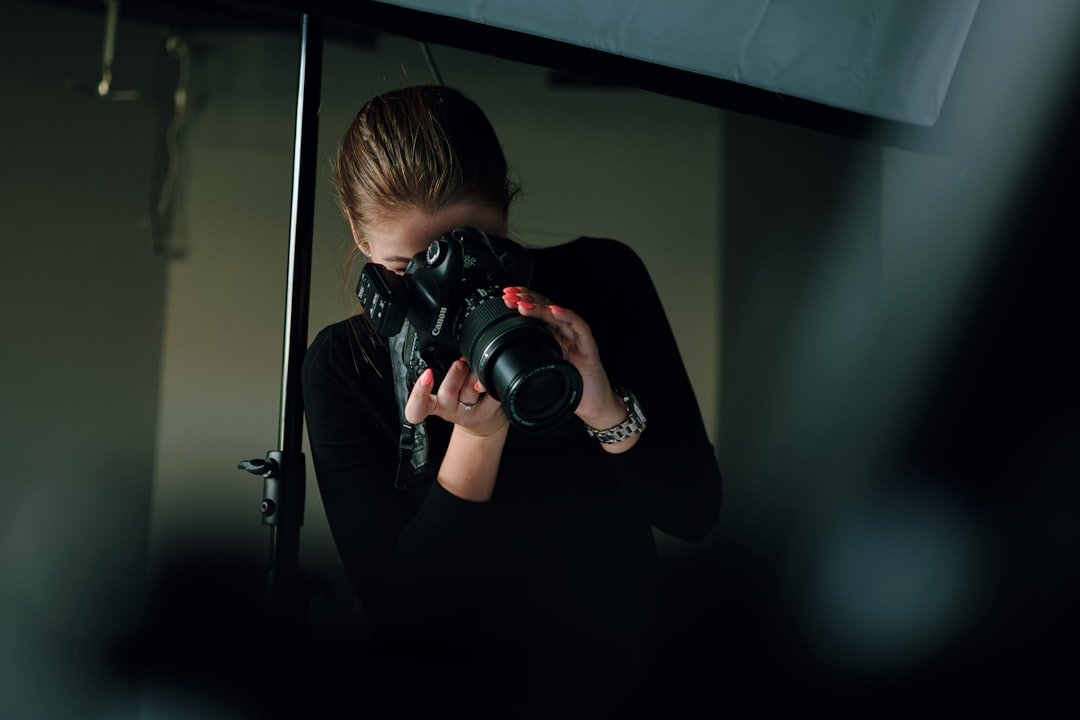
Achieving Editorial-Quality Portraits Without Professional Studio Equipment
One of the most liberating realizations in contemporary photojournalism is that sophisticated portraiture doesn’t require an arsenal of lighting equipment or a fully outfitted studio space. Professional-grade portraits suitable for major publications like the New York Times can be created using nothing more than a simple window as your primary light source, combined with thoughtful compositional choices and technical expertise.
The minimalist approach to portrait photography represents a significant shift in how modern journalists and commercial photographers think about their craft. By stripping away expensive strobes, light modifiers, and specialized gear, photographers can focus entirely on understanding how natural light behaves and making intentional creative decisions that elevate their work.
Understanding Window Light as Your Primary Tool
Natural window light offers distinct advantages that artificial lighting systems struggle to replicate. The quality of illumination from a window provides soft, directional light that flatters facial features and creates dimensional modeling across the subject’s face. Unlike harsh direct sunlight, light filtered through window glass diffuses beautifully, reducing unflattering shadows while maintaining depth and visual interest in the portrait.
The key to mastering this technique lies in understanding how room dynamics affect your lighting setup. A darkened interior space serves as your control mechanism, allowing you to manipulate the contrast ratio between highlight and shadow areas. This interplay between the bright window light and the darker surroundings gives you considerable control over the final image without requiring additional equipment.
Technical Considerations for Window-Light Portraiture
Success with this methodology demands deliberate technical decisions. Positioning your subject relative to the window determines whether you achieve front lighting, side lighting, or backlighting effects. The time of day significantly influences both the color temperature and intensity of incoming light, requiring appropriate white balance adjustments during capture or post-processing.
Camera settings become increasingly important when working with limited light sources. Understanding exposure metering, aperture selection for depth-of-field control, and ISO optimization ensures your sensor captures the nuance present in subtle window-lit scenes. Many professionals working in this style rely on fast lenses with wide apertures to gather sufficient light while maintaining subject separation from the background.
The Intentional Decision-Making Process
What separates publishable portraits from mediocre snapshots is the photographer’s ability to make deliberate choices throughout the creative process. Subject placement, camera angle, focal length selection, and timing all contribute to the final aesthetic. By eliminating equipment variables, photographers can concentrate entirely on these compositional and behavioral elements.
Working within these constraints encourages photographers to develop deeper observational skills. Rather than relying on technology to solve lighting problems, practitioners learn to recognize optimal timing, scout locations for their light quality, and understand how to position subjects to achieve desired results. This fundamental knowledge transfers across all photography disciplines.
Practical Advantages for Working Professionals
Beyond artistic merit, this approach offers tremendous practical benefits. Reduced equipment needs mean faster setup times, less weight to transport during assignments, and minimal technical troubleshooting in the field. For news photographers operating under deadline pressure, this efficiency can be transformative.
The methodology proves that exceptional visual journalism depends primarily on technical skill, creative vision, and understanding light behavior rather than expensive gear. As more working photographers embrace this approach, it challenges industry assumptions about what’s truly necessary to create compelling, publication-ready imagery.