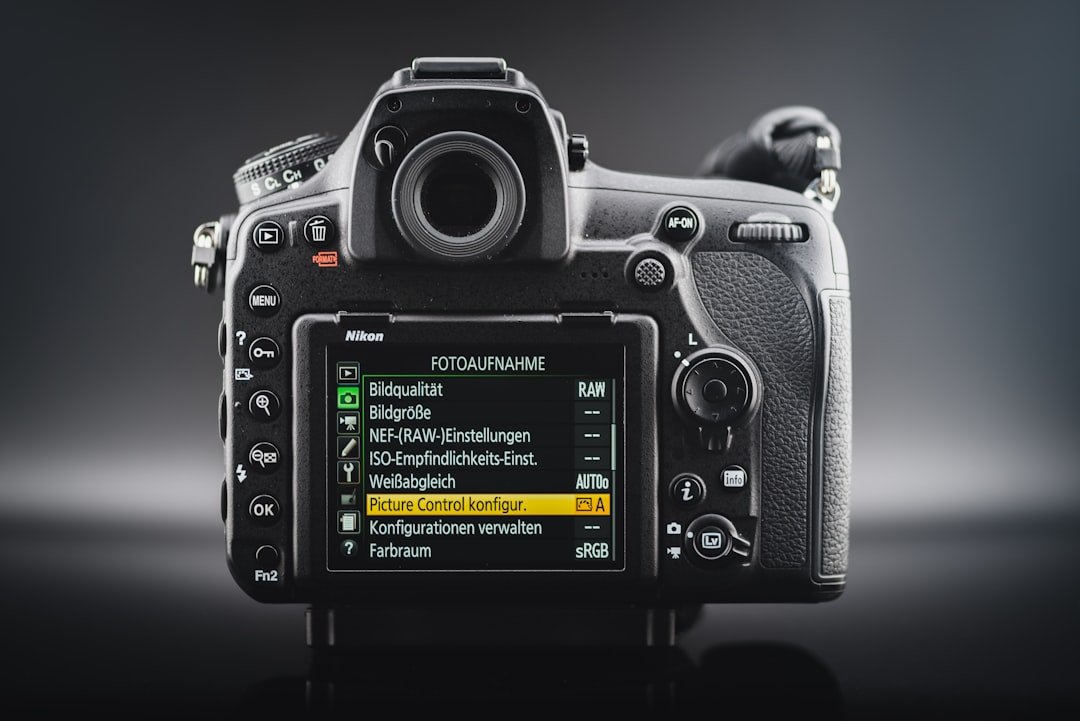
Why Factory Presets Fall Short for Serious Photographers
Modern digital cameras arrive configured with universal settings that prioritize broad compatibility and risk mitigation rather than artistic excellence. Manufacturers engineer these baseline configurations to safeguard against technical disasters and accommodate users across all skill levels. While this approach protects casual snapshooters, it simultaneously undermines the capabilities of photographers pursuing professional-grade imagery.
The Gap Between Default and Optimal
Factory presets represent a conservative middle ground—they’re engineered to prevent the worst-case scenarios rather than unlock your camera’s full potential. This philosophy works adequately for occasional users who need foolproof operation, but it becomes genuinely limiting for creative professionals who demand precision, control, and predictable results.
Understanding the Strategic Approach
Customizing your camera’s core settings isn’t merely a preference—it’s a fundamental requirement for establishing consistent image quality and workflow efficiency. The distinction between leaving settings at factory defaults and configuring them strategically separates casual documentation from intentional artistic practice.
What Makes Configuration Critical
Your camera’s default parameters were established to function adequately across countless scenarios: varying light conditions, subject matter, and user experience levels. However, this one-size-fits-most approach inevitably compromises specialized requirements. When you’re managing a commercial shoot, establishing a consistent visual style, or pushing technical boundaries, those generic presets become actual obstacles rather than helpful guidelines.
The Professional Perspective
Industry professionals routinely reconfigure the same cluster of settings across all their equipment. This practice serves multiple purposes: it accelerates workflow, reduces cognitive load during critical moments, and ensures technical consistency across an entire project or portfolio. By establishing personalized baselines aligned with your specific shooting methodology, you transform your camera from a generic tool into an instrument calibrated for your vision.
Strategic Configuration Benefits
Beyond mere technical adjustment, customizing your camera’s settings represents a commitment to intentionality. It forces you to consider fundamental questions about exposure strategy, autofocus behavior, color rendering, and file management. Each configuration choice communicates something about your creative priorities and technical philosophy.
When you actively modify your camera’s parameters, you transition from passive operator to deliberate technician. You’re no longer accepting pre-determined compromises but instead constructing an operational framework that supports your specific photographic goals and working style.
Moving Forward
The settings worth adjusting are those you’ll reference repeatedly throughout your photographic practice. Rather than random tweaks, focus on modifications that directly impact your most frequent shooting scenarios. Once configured, these customizations become invisible infrastructure—they simply work behind the scenes, enabling you to concentrate fully on composition, timing, and creative decision-making.
The investment in understanding and configuring your equipment pays dividends across your entire career, establishing habits and workflows that compound in efficiency and consistency over time.