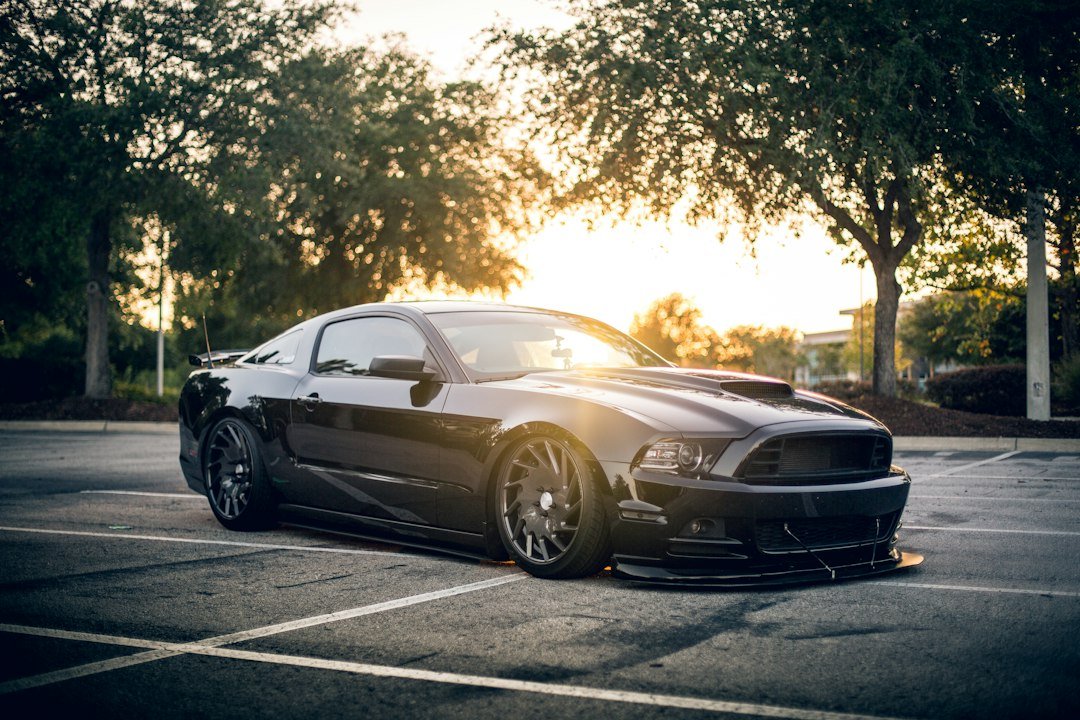
Transforming Hundreds of Shots Into Gallery-Ready Images
Automotive photography sessions frequently generate enormous file libraries—often numbering in the thousands of individual exposures. The distinction between photographers who deliver polished final galleries and those who struggle with incomplete projects frequently comes down to one critical factor: how efficiently they manage their post-processing pipeline.
The sequence in which you execute editing operations within Lightroom significantly influences the aesthetic character of your finished work. This procedural methodology extends far beyond the impact of any individual adjustment parameter, making workflow optimization just as essential as camera technique or on-location lighting decisions.
Building Your Post-Processing Foundation
The initial phase of any substantial automotive shoot involves ruthless culling—a methodical review process that eliminates technically compromised, compositionally weak, or redundant frames. With thousands of candidates requiring assessment, establishing clear selection criteria beforehand accelerates this phase substantially while ensuring consistency across your entire session.
Following successful culling, photographers benefit from organizing their keeper images into collections based on angle, lighting setup, or subject vehicle. This organizational structure streamlines subsequent editing phases and prevents the disorientation that accompanies working through massive uncategorized libraries.
The Hierarchy of Adjustment Operations
The sequence of edits matters considerably. Beginning with foundational adjustments—exposure correction, white balance calibration, and basic contrast—establishes a neutral baseline before pursuing creative enhancements. Many professionals then progress toward more nuanced modifications including tone curve refinement, which grants granular tonal control across shadow, midtone, and highlight regions simultaneously.
Advanced masking capabilities enable targeted adjustments to specific image regions without affecting the broader composition. This becomes particularly valuable when addressing vehicle reflections, sky gradients, or foreground elements independently. The introduction of sophisticated denoise algorithms into modern Lightroom versions permits effective noise reduction while preserving critical detail and texture integrity.
Developing Consistency Through Presets and Profiles
Professional automotive photographers frequently develop standardized presets reflecting their signature aesthetic, then customize these starting points based on individual image requirements. This hybrid approach accelerates processing substantially while maintaining consistent stylistic identity across galleries.
Color grading deserves particular attention in automotive work, as vehicle paint, chrome, and surrounding environment require careful calibration to appear authentic yet visually compelling. Strategic adjustment of saturation and luminance sliders for specific color channels prevents color casts while enhancing the vehicle’s inherent visual appeal.
Exporting for Multiple Delivery Formats
The final export stage shouldn’t feel like an afterthought. Understanding your delivery specifications—whether preparing high-resolution files for print reproduction, web-optimized versions for digital galleries, or client proofs—ensures your export settings align with intended use cases. Batch exporting capabilities allow processing multiple files simultaneously while maintaining consistent output specifications.
By implementing a systematic, well-reasoned workflow, photographers transform overwhelming photo libraries into manageable, organized editing projects. This structured methodology directly correlates with higher completion rates, faster turnaround times, and consistently professional-quality deliverables that satisfy clientele expectations and showcase your automotive photography expertise.