The Art of Minimal-Light Body Composition
Bodyscape photography represents a fascinating convergence between traditional portraiture techniques and fine art abstraction, offering photographers an exciting genre that demands less equipment than many assume. This specialized niche has gained considerable traction among creative professionals seeking to push compositional boundaries while maintaining technical simplicity.
The beauty of this photographic discipline lies in its accessibility. Contrary to widespread misconceptions, achieving magazine-quality bodyscape imagery doesn’t necessitate an elaborate lighting array, expensive modifiers, or extensive studio infrastructure. Instead, strategic use of a solitary light source, combined with intentional positioning and an understanding of how illumination interacts with form, yields remarkably compelling results.
Light Placement: The Foundation of Visual Impact
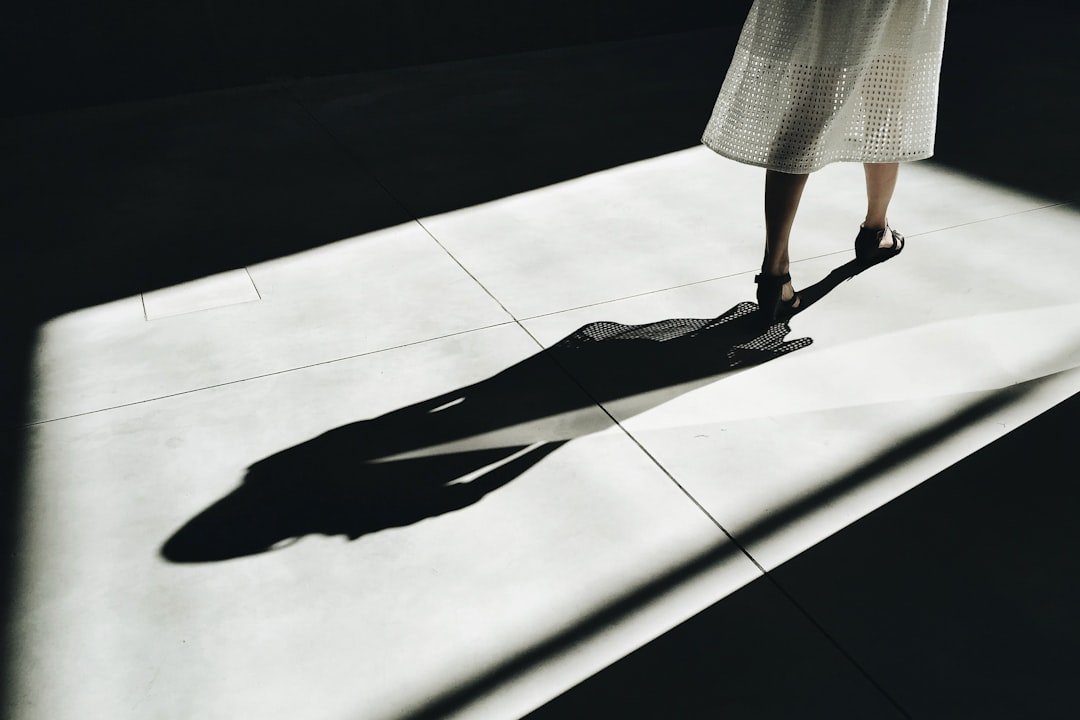
Success in bodyscape work hinges primarily on comprehending directional lighting principles. The angle at which light strikes your subject—whether positioned at 45 degrees, side-lighting for dramatic separation, or back-lighting for rim definition—fundamentally shapes the final image’s aesthetic quality and visual storytelling capacity.
By manipulating this single light source across different angles, photographers can sculpt three-dimensional form, accentuate texture and contour, and establish mood with remarkable sophistication. This approach forces photographers to become more intentional about every technical decision, ultimately strengthening their foundational understanding of exposure, contrast, and visual hierarchy.
Breaking Down the One-Light Methodology
Equipment Essentials: A basic continuous light or strobe paired with reflective surfaces creates infinite possibilities for light manipulation. Many successful practitioners employ simple white or silver reflectors to bounce and fill light, effectively creating a multi-light setup from singular source output.
Technical Considerations: Understanding your camera’s metering modes becomes essential when working with minimal lighting setups. Spot metering and exposure compensation provide precise control over how the sensor interprets available light, ensuring consistent results across varied shooting scenarios.
Compositional Strategy: Bodyscape photography inherently focuses on form, geometry, and negative space. This emphasis on compositional elements compensates for simpler lighting configurations, as thoughtful framing amplifies visual interest independently of complex illumination schemes.
The Creative Advantages of Constraint
Working within equipment limitations paradoxically enhances creative problem-solving. Photographers operating with single-light setups become adept at repositioning subjects, adjusting camera angles, and utilizing environmental surfaces to achieve desired visual effects. This constraint-driven approach cultivates technical versatility and artistic innovation.
Professional photographers increasingly recognize that minimalist lighting setups offer flexibility and spontaneity that elaborate multi-light configurations cannot match. Location shooting, intimate studio sessions, and experimental work all benefit from streamlined technical requirements.
Getting Started: Practical Implementation
Begin by experimenting with your single light source positioned at various distances and angles relative to your subject. Observe how shadows form, how highlights define anatomical features, and where contrast zones naturally emerge. Document these experiments to build a personal reference library of lighting effects.
Incorporate reflectors strategically to manage shadow density and create fill light without additional equipment. Pay particular attention to how materials—fabric, skin, surfaces—respond differently to identical light positioning, understanding that variables like surface finish significantly impact final tonality.
Bodyscape photography ultimately democratizes artistic image creation. With fundamental knowledge of light behavior, intentional composition, and creative vision, photographers can produce professionally sophisticated work that rivals complex studio productions—all with remarkably minimal technical overhead.