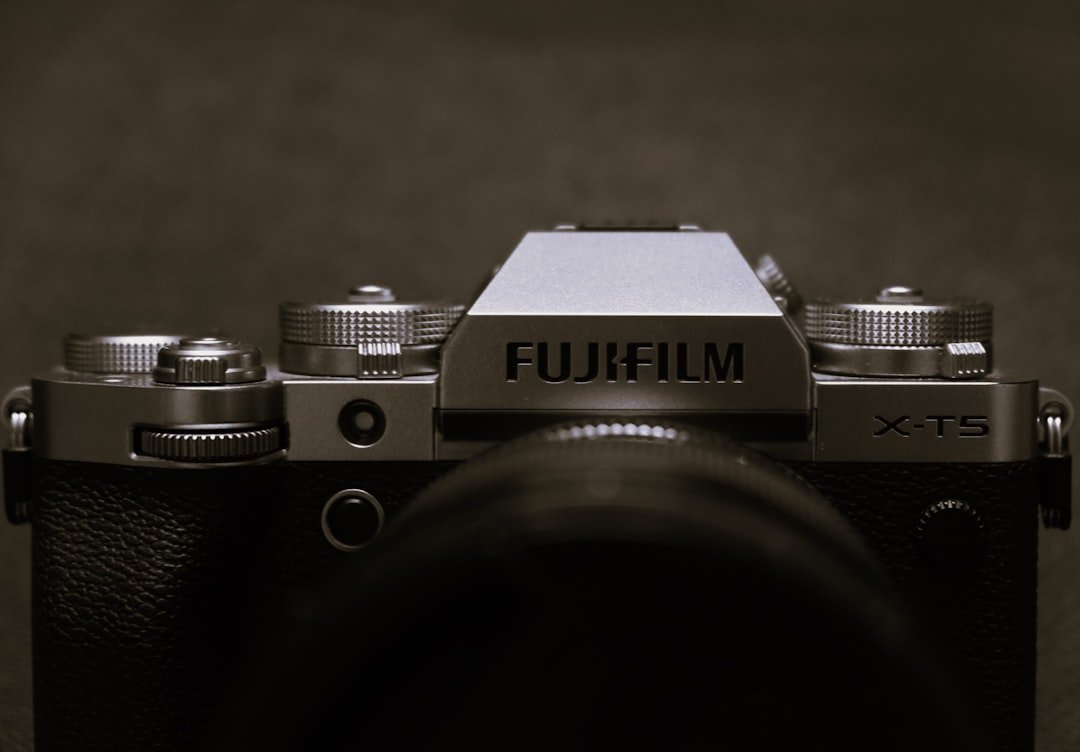
A Compact Powerhouse for Cinematic Color Grading
The Fujifilm X100VI has emerged as a standout performer in the contemporary compact camera landscape, garnering substantial acclaim from photographers and enthusiasts worldwide. This diminutive yet capable imaging device delivers portable convenience without compromising on output quality, making it an increasingly popular choice for professionals and hobbyists alike.
What distinguishes this camera from its competitors is its exceptional aptitude for digital post-processing workflows that evoke the warmth and character historically associated with analog photography. Rather than requiring extensive remedial color correction or complex adjustment layers, the RAW files generated by this sensor possess inherent qualities that transition seamlessly toward authentic film-like aesthetics during the editing phase.
Understanding the Technical Foundation
The sensor architecture within this compact powerhouse enables photographers to achieve sophisticated tonal renderings and pleasing color reproduction with remarkable efficiency. This technological advantage stems from Fujifilm’s proprietary approach to sensor design and their extensive heritage in film emulation—a legacy that permeates their digital imaging philosophy.
When working with RAW files from this camera, editors benefit from considerable latitude in the shadows and highlights, providing flexibility during post-production. The native color science leans toward neutral rendering, which paradoxically facilitates rather than hinders the transition toward period-accurate film aesthetics. This foundational quality means photographers need not engage in extensive corrective work before implementing their desired creative vision.
Crafting Your Editing Approach
Developing a consistent post-processing methodology proves essential when pursuing film-inspired results. Rather than applying generic presets, the most successful practitioners establish a systematic approach that respects the unique characteristics of their captured material. This might involve deliberate management of color temperature, strategic desaturation of specific color channels, and thoughtful application of highlight compression.
The portability factor represents another compelling advantage. Photographers can confidently carry this camera into diverse shooting environments—from urban settings to environmental portraits—knowing that regardless of lighting conditions, the resulting files will retain sufficient information for nuanced editing decisions. This reliability builds confidence in the equipment and encourages more spontaneous, creatively satisfying photography.
Practical Advantages for Photographers
For those committed to analog-inspired aesthetics, selecting tools that work harmoniously with your creative intentions rather than against them substantially improves workflow efficiency. The immediate tactile feedback, straightforward controls, and compact form factor make this camera exceptionally practical for professionals juggling multiple assignments or personal projects simultaneously.
Moreover, the learning curve associated with achieving film-like results remains remarkably gentle. Photographers transitioning from smartphone or mirrorless systems discover that the fundamental principles of exposure management and composition translate directly, while the sensor’s forgiving characteristics provide additional creative freedom during the color grading process.
In an era of increasingly complex digital workflows, tools that simplify rather than complicate the path toward your artistic vision hold particular value. This camera exemplifies that principle, offering genuine capability in a genuinely pocketable package.