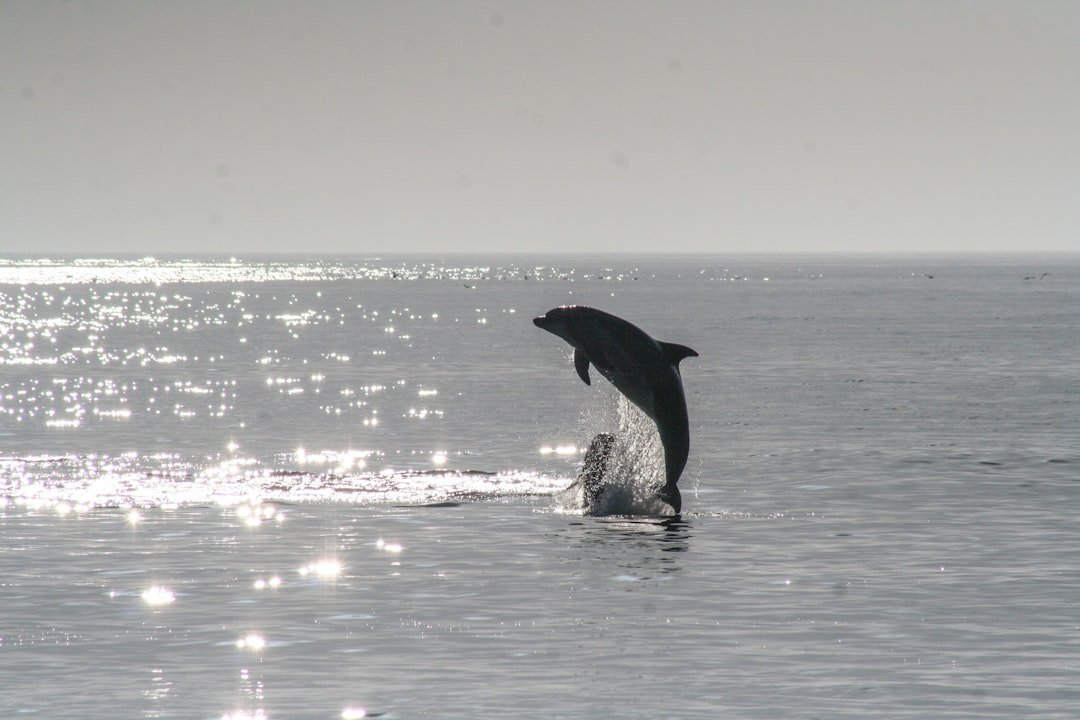
Revealing the Secrets Behind Dynamic Ocean Photography
A seasoned wildlife photographer has recently shared his professional methodology for capturing extraordinary images of dolphins executing spectacular aerial maneuvers. His approach combines technical expertise, environmental awareness, and strategic planning to produce compelling imagery that showcases the natural athleticism of marine mammals.
Understanding the Technical Foundation
Photographing fast-moving subjects in aquatic environments presents unique challenges that demand specialized equipment and refined technique. The photographer emphasizes that success in this niche requires mastery of several interconnected elements: shutter speed optimization, autofocus tracking systems, and dynamic range management. When documenting cetaceans engaged in vigorous activity, professionals typically employ burst-mode shooting to maximize the probability of capturing the decisive moment when subjects achieve maximum elevation above the water’s surface.
Environmental Factors and Timing
The photographer underscores the importance of understanding dolphin behavioral patterns and marine conditions. Light quality plays an instrumental role in producing gallery-quality results. Golden hour photography—occurring shortly after sunrise or before sunset—provides directional illumination that enhances texture and dimensionality in marine subjects. Additionally, comprehending pod dynamics and feeding patterns enables photographers to anticipate moments of acrobatic activity rather than simply reacting to spontaneous occurrences.
Equipment Selection and Settings
Achieving sharp, detailed captures of airborne marine life necessitates careful equipment calibration. High-speed continuous autofocus systems prove essential for tracking erratic movement patterns. Fast telephoto lenses grant photographers adequate working distance while maintaining compositional flexibility. The photographer recommends utilizing weather-sealed camera bodies capable of withstanding saltwater environments and maintaining consistent performance under demanding field conditions.
Strategic Composition and Framing
Beyond technical proficiency, compositional understanding separates exceptional wildlife imagery from ordinary documentation. The photographer applies fundamental design principles—including rule-of-thirds positioning, negative space utilization, and leading-line techniques—to create visually engaging narratives. Including environmental context, such as spray patterns and reflective water surfaces, adds storytelling dimension and authenticates the aquatic setting.
Post-Processing and Digital Workflow
Modern wildlife photography extends beyond the moment of capture. Thoughtful post-processing enhances technical quality while maintaining photographic integrity. Color grading, exposure refinement, and selective sharpening techniques elevate the visual impact of marine wildlife documentation. The photographer emphasizes that processing decisions should enhance natural beauty rather than create artificial aesthetics.
Practical Lessons for Aspiring Wildlife Photographers
This professional’s experience demonstrates that consistent results derive from comprehensive preparation rather than serendipitous moments. Investing in quality optics, understanding animal behavior, and committing to technical mastery collectively establish a foundation for producing compelling wildlife imagery. Beginning photographers entering this specialized field benefit from studying established practitioners, investing in research, and dedicating themselves to continuous skill development within marine photography disciplines.