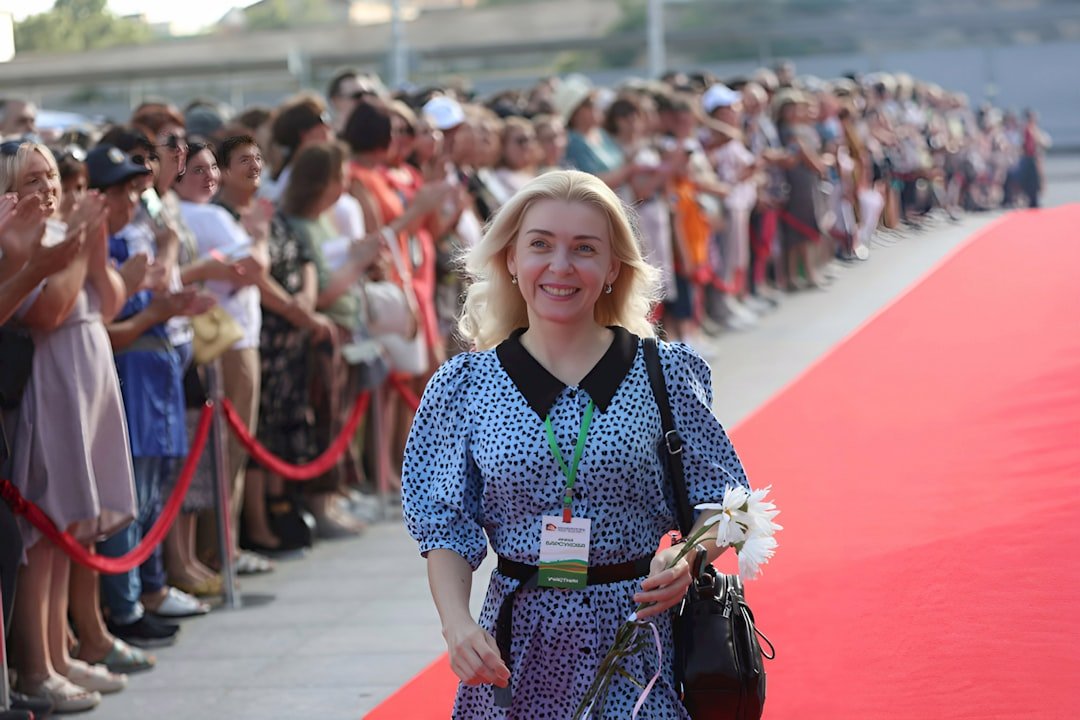
The Hidden Complexities of Celebrity Event Photography
Red carpet events present a deceptively simple subject matter to the untrained eye. However, seasoned photojournalists understand that capturing compelling images at high-profile premieres and festivals requires far more than pointing a camera at celebrities. The coordination of credentials, specialized equipment, professional conduct, and strategic positioning separates amateur snapshots from publication-quality work.
After stepping away from celebrity event coverage for nearly twenty years, one veteran photographer recently returned to the red carpet circuit at the prestigious Tribeca Film Festival. This assignment proved to be an illuminating refresher course in the nuanced skill set that defines excellence in this specialized genre of event photography.
Understanding Credential Access and Venue Logistics
Access to premium shooting positions at major film festivals represents one of the most significant hurdles photographers face. Unlike general admission, professional photographers must secure appropriate credentials that grant them proximity to talent and optimal vantage points. These credentials come with specific responsibilities and positioning restrictions that vary by event.
The logistics of red carpet operations demand meticulous planning. Photographers must arrive hours in advance to scout locations, identify lighting conditions, and secure their preferred positions along the carpet. Understanding the flow of talent, anticipated timing, and camera placement strategies separates those who capture dynamic images from those relegated to distant, obstructed angles.
Technical Equipment and Lighting Considerations
Professional red carpet work demands specialized gear selection. Fast telephoto lenses, capable of tracking subjects across considerable distances, prove essential. Bodies equipped with high-speed autofocus and robust burst-shooting capabilities ensure photographers capture decisive moments as celebrities pause for images.
Lighting at red carpet events presents substantial technical challenges. Photographers must contend with mixed artificial lighting, harsh spotlights, and rapidly changing conditions as talent moves along the carpet. Understanding flash synchronization, bouncing techniques, and exposure compensation becomes critical for producing consistently sharp, well-exposed images suitable for editorial publication.
Professional Etiquette and Conduct Standards
Success in celebrity photography extends beyond technical proficiency. Professional demeanor, respectful positioning, and adherence to security protocols distinguish legitimate photographers from problematic elements. Event organizers carefully manage photographer behavior to ensure both talent comfort and image quality.
Experienced practitioners develop strategies for working collaboratively within crowded shooting galleries. This includes respecting others’ sight lines, timing shots to avoid interference, and maintaining appropriate distance from security and talent handlers.
Lessons from Returning to the Carpet
Rejoining the red carpet photography community after two decades away reinforced important principles. Industry standards have evolved, technology has transformed, yet fundamental principles of composition, timing, and professionalism remain constant. The most compelling red carpet imagery results from combining technical mastery with genuine understanding of the unique requirements these high-pressure environments demand.
For photographers considering entry into this specialized field, recognizing that visible simplicity masks considerable complexity proves essential. Success requires investment in proper equipment, credential acquisition, extensive preparation, and unwavering professional conduct.