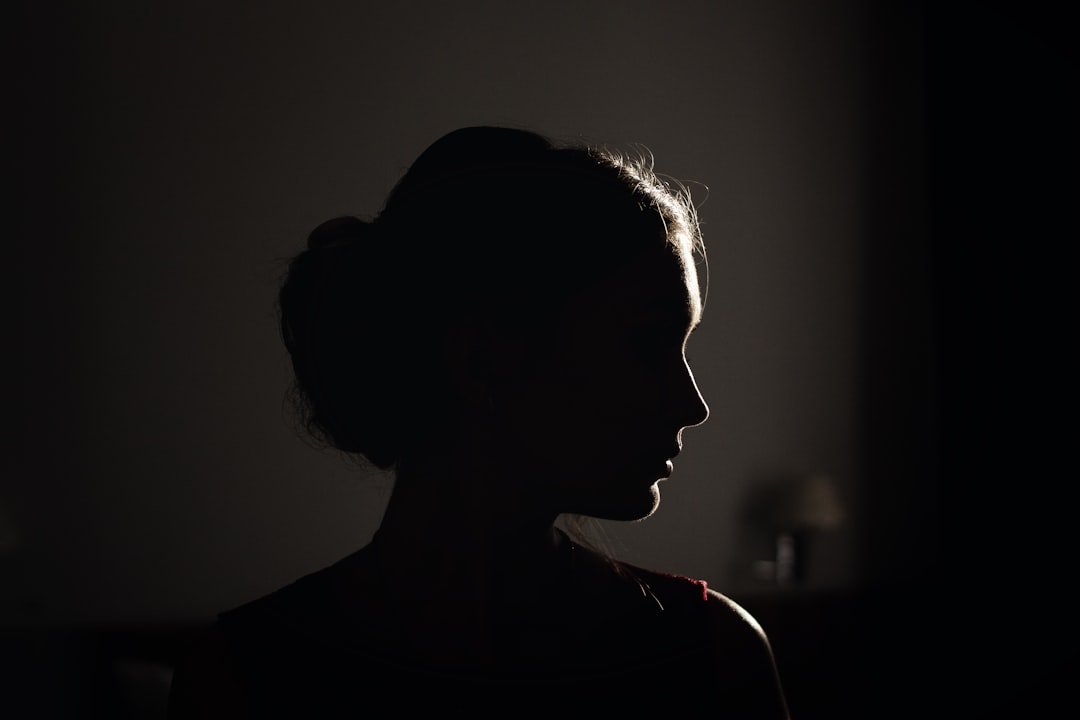
The Power of Simplicity in Human Form Photography
Silhouette photography represents one of the most elegant approaches to capturing the human figure. By reducing subjects to their fundamental outline, photographers can create dramatically compelling imagery that relies on shape, form, and composition rather than intricate details or elaborate lighting schemes.
For those working in the bodyscape genre, the prospect of distilling complex multi-light setups into a more streamlined workflow can feel both liberating and daunting. The good news? Creating visually arresting silhouette portraits requires far fewer resources than many photographers initially assume.
Why Simplicity Doesn’t Mean Compromising Quality
The traditional approach to editorial figure photography often involves extensive technical infrastructure—multiple flash units, reflectors, diffusers, and modifiers working in concert to sculpt light across the subject. While such setups certainly have their place, silhouette work operates on an entirely different principle.
When you embrace the silhouette technique, you’re fundamentally shifting your relationship with light. Rather than using it to reveal surface detail and texture, you’re employing backlighting as your primary compositional tool. This philosophical shift opens creative possibilities that paradoxically expand when your toolkit contracts.
Essential Gear and Technique Considerations
Creating impactful silhouettes requires only the most fundamental equipment: a camera, a lens, and a strong light source positioned behind your subject. Natural backlighting—whether from the sun, a window, or a single strobe—becomes your primary ally.
The technical requirements are straightforward. Exposure metering must be taken from the bright background rather than the subject itself, causing the figure to underexpose and render as a dark shape. This counterintuitive metering approach is crucial to achieving proper silhouettes. Your camera’s spot metering mode becomes invaluable here.
Lens selection matters less in silhouette work than in detail-focused portraiture. Standard focal lengths ranging from 35mm to 85mm work beautifully, though wider perspectives can create interesting environmental context, and longer focal lengths provide flattering figure compression.
Compositional Elements That Elevate Your Results
When detail is removed from the equation, every remaining element carries increased visual weight. The outline of your subject’s pose becomes paramount. Deliberate positioning—consider dramatic arm placements, interesting angles, and negative space—transforms a simple shadow into a striking artistic statement.
Background selection deserves equal consideration. A clean, bright backdrop amplifies contrast and graphic impact, while textured or atmospheric backgrounds introduce mood and narrative complexity. Golden hour conditions naturally provide richly colored backlighting that adds dimensionality even to simple two-dimensional silhouettes.
Why This Approach Resonates Across Genres
From editorial fashion to fine art body studies, photographers across numerous specializations employ silhouette techniques. The approach proves particularly valuable for storytelling work where gesture and composition communicate more effectively than facial expression or skin texture.
For emerging photographers working with limited resources or established professionals seeking streamlined workflows, silhouette methodology represents an elegant solution that demonstrates technical sophistication through restraint rather than complexity. The results speak for themselves—bold, memorable imagery created with confidence and minimal gear overhead.