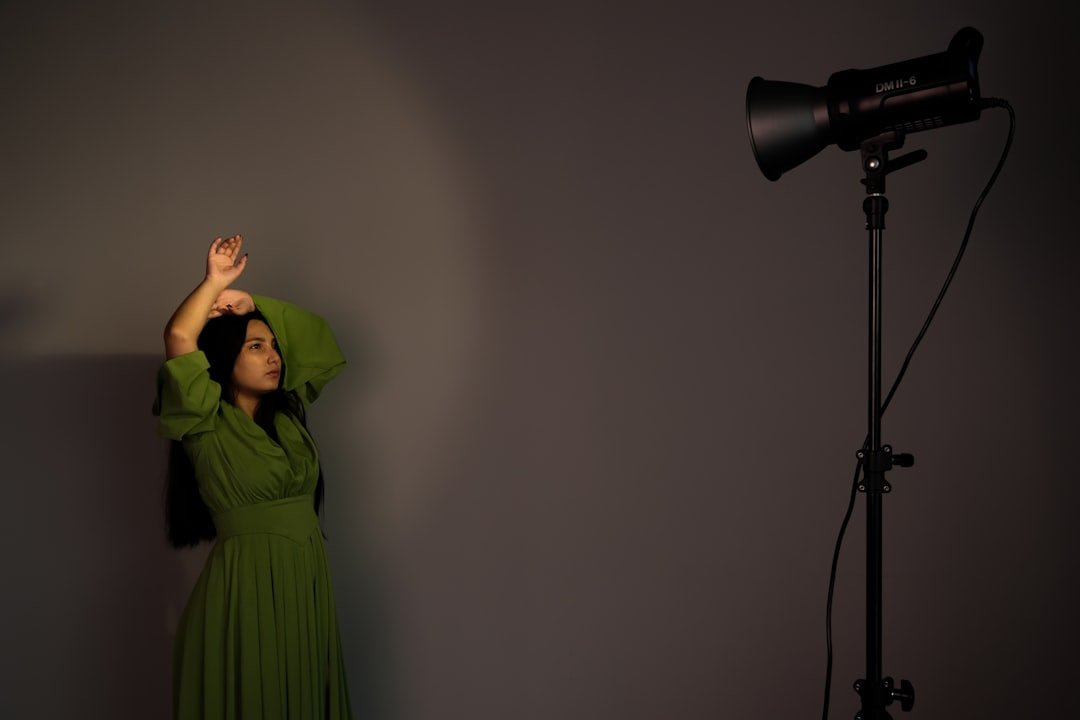
Breaking Down the Complexity of Flash-Based Portraiture
Many photographers find themselves intimidated when transitioning into flash-based portrait work. The seemingly endless array of equipment options, technical parameters, and configuration choices create a formidable barrier to entry for those seeking to expand their studio capabilities. However, the solution to this perceived complexity is far more straightforward than most practitioners realize.
The Minimalist Advantage
Rather than accumulating an extensive collection of lighting instruments and modifiers, contemporary photographers can achieve professional-grade results using a streamlined, single-source lighting configuration. This approach combines one quality light source with essential but affordable support equipment, creating a foundation that remains consistent across multiple shooting sessions.
This methodology addresses a fundamental challenge in flash portraiture: decision paralysis. When photographers operate within a structured framework using minimal variables, the technical decision-making process becomes more intuitive. Each session follows an established protocol, allowing practitioners to focus on posing, composition, and interpersonal direction rather than constantly adjusting complex lighting setups.
Building Your Essential Kit
The foundation of this system requires thoughtful selection of core components without premium pricing. A reliable flash unit paired with a versatile light modifier—such as a softbox, beauty dish, or octabox—provides tremendous creative flexibility. Supporting elements like stands, sync cables, and positioning tools complete the package without requiring substantial financial investment.
This economical approach makes professional portraiture accessible to emerging photographers and those building their first dedicated lighting kits. The financial barrier to entry drops considerably when you prioritize essential functionality over brand prestige or advanced features.
Developing a Repeatable Workflow
The real power of single-light portraiture emerges through systematic repetition. By establishing consistent positioning protocols, exposure settings, and modifier placement, photographers develop an intuitive understanding of how their light behaves across different scenarios. This reproducibility becomes invaluable for maintaining stylistic consistency within a portrait series or across multiple client sessions.
The discipline of working with constraints actually accelerates skill development. Rather than overwhelming yourself with infinite possibilities, you master the nuances of one lighting approach, understanding precisely how distance, angle, and modifier choice influence the final image.
Practical Application Benefits
This simplified architecture offers substantial advantages in real-world shooting conditions. Whether photographing in compact spaces or transitioning between locations, a minimal kit remains highly portable and deployable. Setup time diminishes significantly, allowing for more efficient sessions and faster client turnaround.
Additionally, this fundamental approach serves as an excellent educational platform. Photographers who thoroughly understand single-light behavior develop stronger foundational knowledge before advancing to multi-light configurations, rather than struggling with unnecessary complexity from the outset.
Scaling Your Expertise
Mastering single-light portraiture doesn’t represent a ceiling for your capabilities—it establishes a solid foundation upon which you can confidently build. Once you internalize how one light functions across diverse situations, introducing secondary sources or specialized modifiers becomes a logical expansion rather than an overwhelming leap.
The elegant simplicity of this approach has supported countless professional portrait photographers throughout the digital era and continues proving its relevance today.