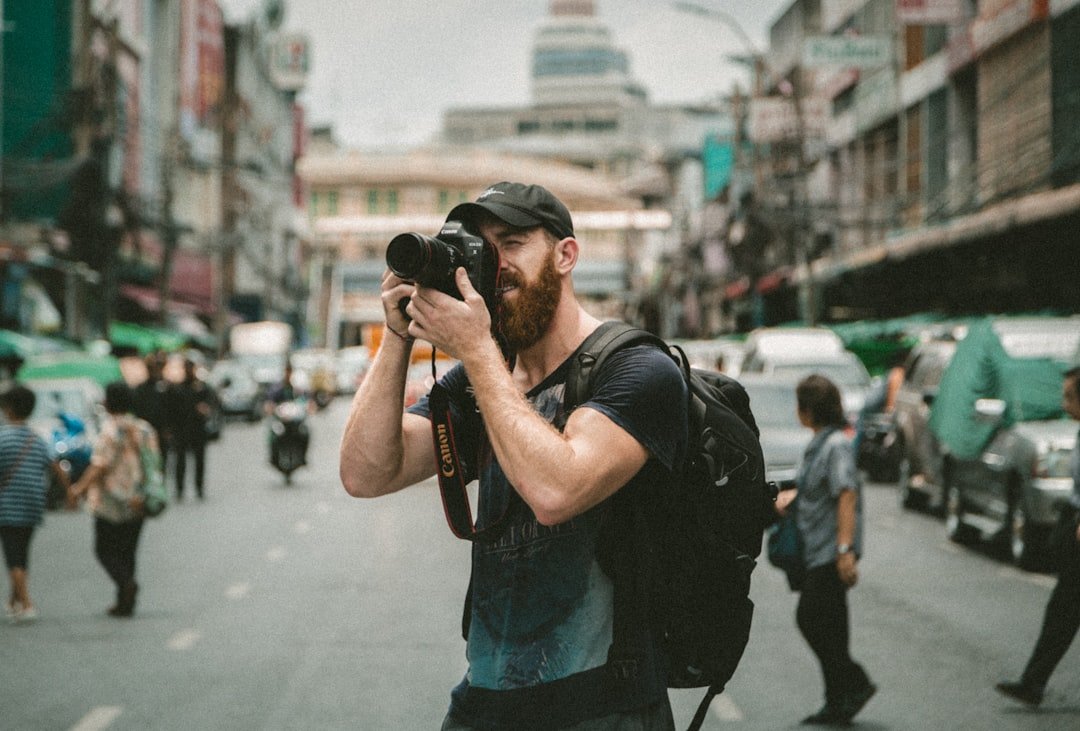
Why Zone Focusing Dominates Modern Street Photography
In an era where autofocus technology continues to advance, a growing number of accomplished street photographers are deliberately stepping back from electronic focusing systems. Instead, they’re embracing a manual technique that dates back decades: zone focusing. This deliberate approach to focusing prioritizes speed, reliability, and creative control—three elements that define compelling street photography.
Zone focusing represents a fundamental shift in how photographers conceptualize the capture process. Rather than relying on camera systems to determine focus points in real-time, practitioners pre-calculate their depth of field parameters and set focus distances in advance. This methodology transforms the shooting experience, allowing photographers to concentrate entirely on composition, lighting, and decisive moments rather than technical mechanics.
Understanding the Mechanics of Zone Focusing
The technique operates on straightforward optical principles. By selecting a specific aperture and focal length, photographers establish a predetermined field that will render acceptably sharp. This “zone” extends from a near point to a far point, creating a predictable range of sharp focus. When executed properly, this approach eliminates the millisecond lag associated with autofocus acquisition, enabling photographers to capture fleeting moments with decisive precision.
Jeff Ascough, a prominent street photography practitioner, has engineered his entire shooting methodology around zone focusing principles. His approach demonstrates how thoroughly abandoning autofocus in favor of meticulously calibrated manual settings can enhance both technical consistency and creative expression. Ascough’s workflow showcases practical applications across multiple focal lengths, each configured with specific distance and aperture combinations tailored to different shooting scenarios.
Implementing Zone Focusing Across Your Lens Collection
Successful zone focusing implementation requires understanding how different optical parameters interact. Wide-angle lenses naturally provide expansive depth of field, making them particularly forgiving for zone-focused work. Standard focal lengths demand more precision, while longer optics necessitate careful aperture selection to maintain adequate sharpness zones.
Photographers transitioning to this manual approach must first calculate optimal settings for each lens in their kit. This preparation phase involves determining which aperture values, combined with specific focusing distances, produce the desired depth of field coverage. The process demands mathematical precision but yields tremendously practical benefits during active shooting.
The Psychological Advantage
Beyond technical advantages, zone focusing cultivates a different photographic mindset. Rather than mechanically framing and focusing, practitioners develop heightened awareness of spatial relationships and distance judgment. This conscious engagement with scene geometry often translates into stronger compositional choices and more intentional image-making.
Skepticism toward zone focusing remains common among photographers accustomed to autofocus convenience. However, practitioners who invest time developing proficiency report that the technique becomes second nature, enabling faster and more intuitive shooting without sacrificing focus accuracy.
The resurgence of manual focusing techniques in contemporary street photography represents not a rejection of modern technology, but rather a deliberate selection of tools optimized for specific creative goals. Zone focusing exemplifies how thoughtful technical preparation enables spontaneity and artistic vision in the field.