Simplicity as Creative Strategy in Urban Documentary Photography
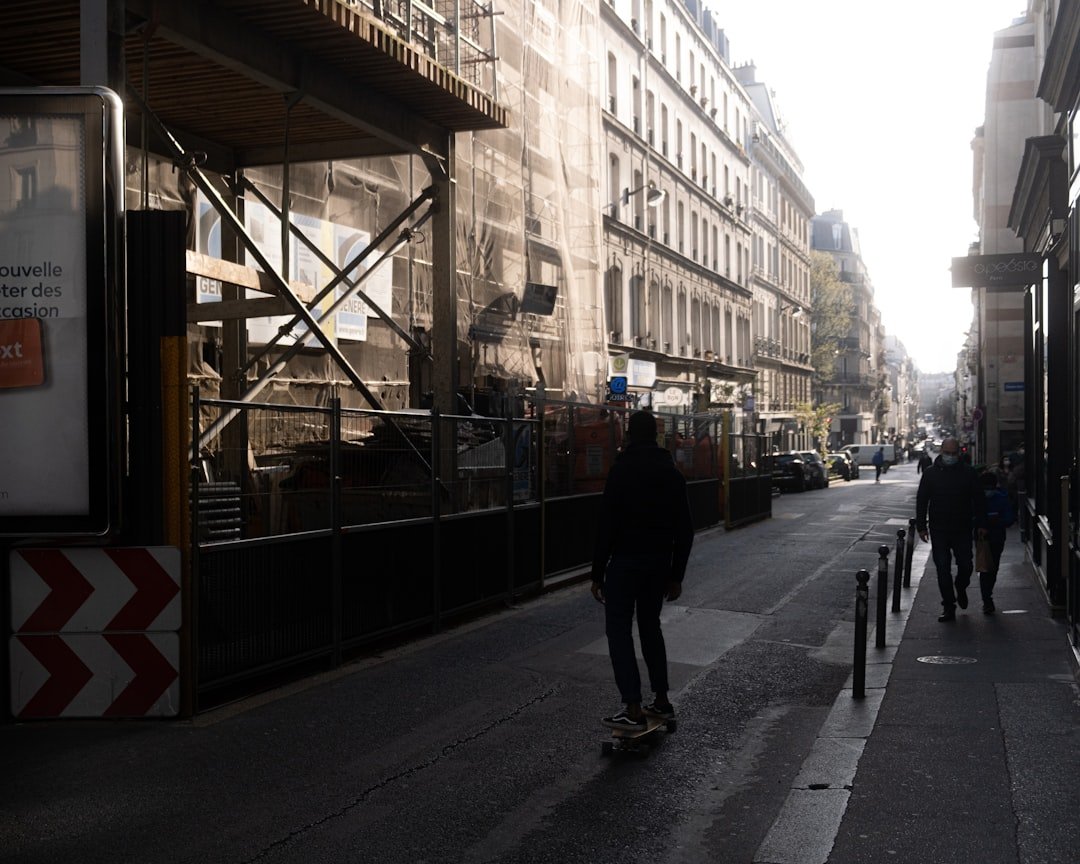
Parisian-based photographer Orioto has carved out a distinctive niche in contemporary street photography by deliberately constraining his technical arsenal. Rather than chasing the latest gear releases, he has embraced a stripped-down approach that centers on observation, timing, and understanding human behavior within urban environments.
Operating exclusively with a Sony α7 III paired with a Sony FE 35mm f/1.8 lens, Orioto demonstrates that compelling visual storytelling does not demand extensive equipment investment. This minimalist philosophy aligns with broader trends in photography culture where restraint increasingly trumps accumulation as a mark of professional maturity.
From Cinematic Foundation to Street Documentary
Orioto’s creative journey began unconventionally. Originally purchasing a Canon EOS 550D for university film studies, he discovered photography almost by accident, describing it as immediate artistic passion. This crossover background in motion picture language significantly influences his approach to still imagery, particularly his sensitivity to decisive moments and compositional rhythm.
His evolution toward street photography specifically drew inspiration from the French humanist movement—a tradition deeply rooted in Parisian visual culture. Rather than merely emulating historical precedent, however, Orioto has developed a contemporary interpretation that prioritizes raw authenticity over nostalgic aesthetics.
Capturing Unscripted Moments of Youth Culture
The photographer deliberately pursues environments where spontaneous human interaction peaks: celebratory street gatherings, weather-induced behavioral shifts, and cultural events. His portfolio features compelling documentation of PSG’s Champions League victories, winter weather reactions in major squares, and other instances of collective emotional expression.
This subject-driven methodology distinguishes his work from technically-obsessed alternatives. Rather than prioritizing visual effects or compositional cleverness, Orioto emphasizes the authentic lived experience of his subjects. His progression from 70-300mm telephoto ranges toward more intimate 35mm focal lengths reflects this philosophical shift—enabling closer engagement with genuine human moments rather than detached observation from distance.
Equipment Philosophy: Less is More
Orioto’s gear selection underscores his commitment to functional simplicity. Beyond his primary camera and lens, his bag contains only essentials: a basic protective case, an umbrella for unpredictable Parisian weather, and snacks for sustained fieldwork. This deliberately constrained setup forces intentional creative decision-making rather than enabling gear-based problem-solving.
At a moment when camera manufacturers continuously introduce feature-laden alternatives, Orioto’s success with mid-range professional equipment provides valuable counterpoint. The Sony α7 III, now several generations old, continues delivering exceptional results in practiced hands—demonstrating that imaging sensors, autofocus systems, and build quality have reached competency thresholds where incremental technological improvements matter less than photographic vision.
The 35mm Advantage in Documentary Work
His focal length choice merits particular attention. The 35mm perspective occupies a productive middle ground between wider environmental context and closer human intimacy. This range facilitates immersive documentary work without requiring subject compensation or extreme proximity that disrupts natural behavior.
Through consistent deployment of identical equipment across diverse scenarios, Orioto has internalized technical parameters so thoroughly that conscious camera operation recedes into background, freeing mental resources for observational narrative work.
His approach challenges prevailing consumer culture mythology that superior equipment produces superior imagery. Instead, Orioto exemplifies how conceptual clarity, visual literacy, and strategic simplicity constitute more significant determinants of photographic achievement than specifications or price points.