Orchestrating 14 Cameras Across Kennedy Space Center for Historic Moon Mission Coverage
When NASA’s Space Launch System rocket thundered skyward on April 1st carrying four astronauts toward lunar orbit, Orlando-based photographer Steven Madow was executing a meticulously choreographed technical operation that redefined what single-operator launch documentation could achieve. Positioned strategically throughout Kennedy Space Center’s press facilities, Madow deployed an impressive array of 14 Panasonic Lumix cameras distributed across seven distinct vantage points—a deployment strategy that exemplifies the cutting-edge approach to high-stakes event photography.
The Multi-Camera Approach to Aerospace Documentation
This wasn’t merely a matter of bringing multiple camera bodies to the launchpad. Madow’s setup represented years of planning and logistical refinement specific to capturing the Artemis II mission. By strategically positioning remote-controlled camera rigs across the facility, he ensured comprehensive coverage from angles and distances that no single operator could manually capture. This distributed network approach has become increasingly prevalent among sports and event photographers, though its application to aerospace documentation represents a particularly demanding use case.
The choice to standardize on Panasonic Lumix equipment demonstrates the manufacturer’s growing presence in professional launch photography circles. These mirrorless systems offer the combination of rapid continuous shooting, weather sealing, and reliable performance under extreme environmental conditions that launch operations demand.
From Planning to Viral Imagery
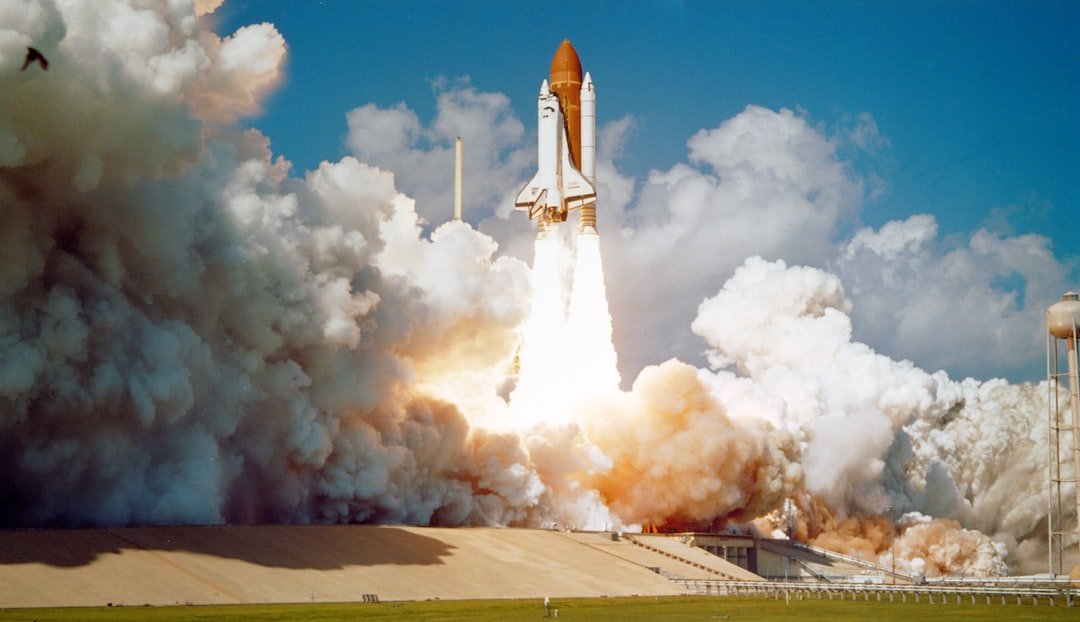
The payoff from this elaborate setup proved remarkable. Among the thousands of frames captured across Madow’s distributed camera network emerged an exceptional close-up image of the SLS rocket’s engine cluster at ignition—the type of intimate technical documentation that spacecraft photographers spend entire careers attempting to secure. The resulting image resonated far beyond aerospace enthusiast circles, achieving viral distribution across social media platforms and professional photography communities worldwide.
This success underscores how rigorous technical preparation intersects with creative vision. The cameras themselves are merely tools; the real achievement lies in understanding sight lines, anticipating optimal moments, and positioning equipment to capture perspectives that tell the complete story of this monumental engineering achievement.
Evolution of Launch Photography Practice
Madow’s operation represents the sophisticated end of modern aerospace photography. The Artemis II documentation marks a significant evolution from traditional single-camera approaches, demonstrating how contemporary technology enables photographers to capture events with unprecedented comprehensiveness. His systematic deployment strategy offers valuable lessons for any photographer confronting situations where access is limited and do-overs aren’t possible.
The international attention garnered by these images highlights persistent public fascination with space exploration. Beyond the technical achievement of the mission itself, high-quality visual documentation serves as a crucial bridge between complex scientific endeavors and public understanding—making photographers like Madow essential collaborators in the broader space industry ecosystem.