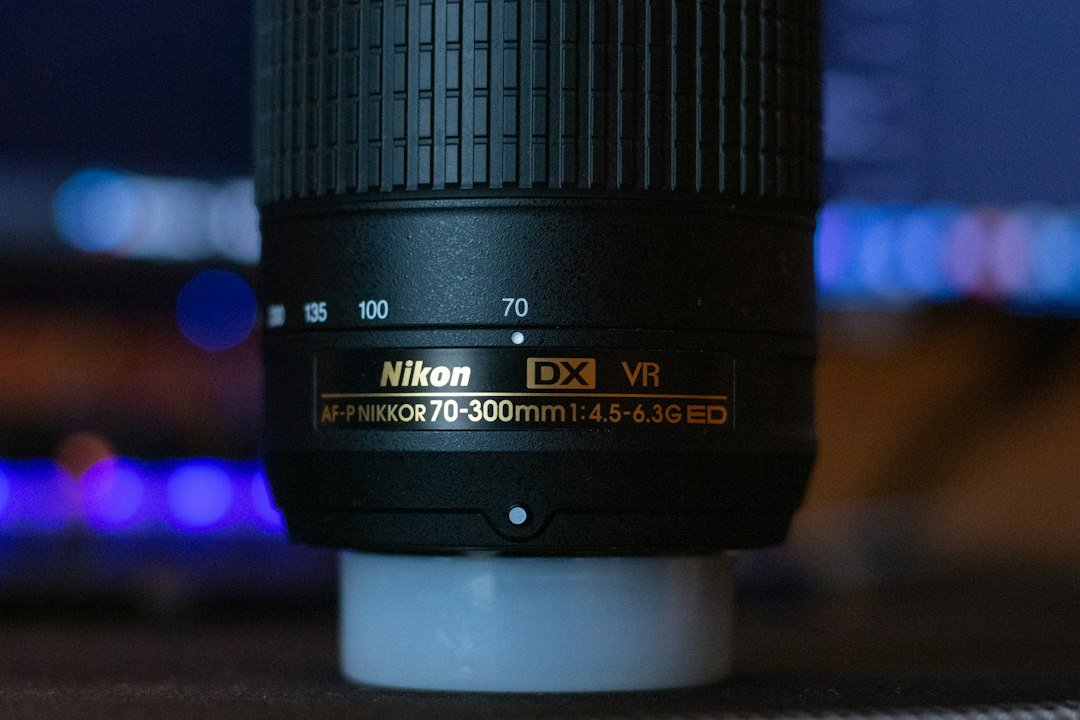
Nikon has opened preorders for its Z 120-300mm f/2.8 TC VR S, priced at $13,996. For that sum, photographers receive a constant f/2.8 telephoto zoom with a 1.4x teleconverter built into the lens barrel. For sports, wildlife, and event shooters, where moving closer to the action is rarely an option, this combination raises a practical question: how much gear can one lens replace?
A Zoom That Works Like a Prime Kit
Fast telephoto primes have long been the backbone of professional long-lens kits. Each focal length typically demands its own lens, and each one adds weight, cost, and another item to swap in the middle of a fast-moving assignment. The 120-300mm range covers a broad band of the telephoto spectrum, and the constant maximum aperture of f/2.8 means the lens keeps the same light-gathering capacity from one end of its range to the other. That consistency matters when shooting under stadium lights or in dim forest canopy, because exposure and depth of field behave predictably as you zoom.
The Built-In Teleconverter Changes the Math
The integrated 1.4x teleconverter is the feature that stretches this lens’s versatility. Engaging it extends the focal range to roughly 168-420mm while the aperture shifts to f/4, a loss of about one stop. Anyone who has carried a separate teleconverter knows the trade-offs involved: an extra element in the optical path, a second item to remember, and a possible hit to autofocus speed. Housing the converter inside the barrel removes much of that friction. Photographers can change reach without fumbling with add-on components, which can make the difference when a bird lifts off or a striker breaks toward goal.
Why the Comparison to Multiple Primes Makes Sense
The headline comparison to four fast primes is less about literal optical equivalence and more about workflow. A single zoom with a fixed f/2.8 aperture allows a shooter to frame tightly, pull back for a wider environmental shot, or move through a range of focal lengths without changing lenses. Fewer lens changes mean fewer missed moments, less sensor exposure to dust during swaps, and a lighter overall kit when travel is involved. For working professionals who are paid for the decisive frame, that efficiency has real value.
Who Should Take a Closer Look
At nearly fourteen thousand dollars, this is a serious investment aimed at working sports, wildlife, and press photographers. Hobbyists may find the price hard to justify, though those who already own high-end Nikon Z bodies and rent long glass for big assignments may see the purchase as a way to consolidate. Buyers should also weigh the physical size and weight of a lens of this class, which demands a solid support system and a comfortable carrying plan for long days in the field.
The Bottom Line
Nikon’s Z 120-300mm f/2.8 TC VR S aims to replace a sizable cabinet of telephoto primes with one optic that adapts on the fly. Its constant f/2.8 aperture, built-in 1.4x teleconverter, and integrated design target photographers who value speed of response above all else. Whether that convenience justifies the cost will depend on each shooter’s assignments, but for those who regularly find themselves a long way from their subject, it represents a compelling new option in the Z system.