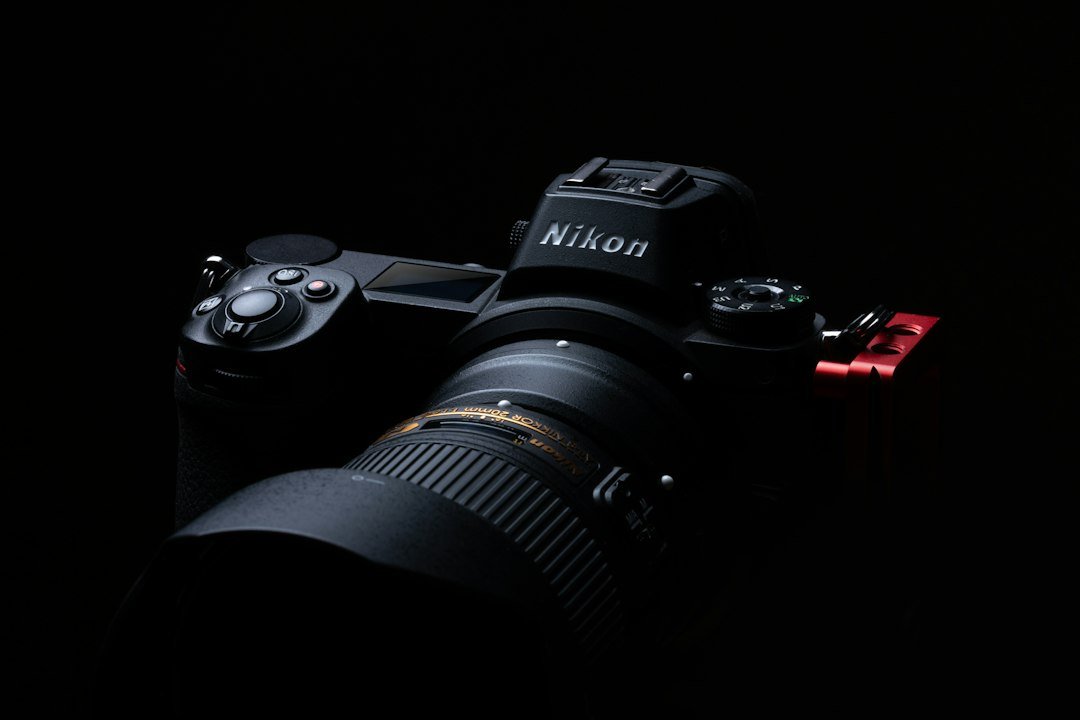
A New Contender in the Budget Full-Frame Market
Nikon’s expanding Z-series lineup continues to democratize full-frame digital photography with the introduction of the Z5 IIC, a stripped-down yet compelling alternative that arrived in 2025 alongside its more feature-rich sibling, the Z5 II. Priced at $1,399, this newest iteration represents a strategic repositioning in Nikon’s entry-level full-frame strategy, offering photographers a more accessible gateway into professional-grade imaging without the premium price tag of earlier models.
Design Philosophy: Compact Without Compromise
The Z5 IIC distinguishes itself through thoughtful industrial design that prioritizes portability and handling. By reducing the footprint and weight compared to the Z5 II ($1,849), Nikon has created an instrument that appeals to travel photographers, content creators, and emerging professionals seeking agility without sacrificing the full-frame sensor advantage. The compact chassis maintains the elegant aesthetic language established by Nikon’s mirrorless division while delivering practical ergonomic considerations for extended shooting sessions.
Capability Assessment: What This Camera Does Well
Despite its modest pricing, the Z5 IIC inherits substantial capabilities from its lineage. The camera delivers impressive autofocus performance, robust video functionality, and a comprehensive feature set that punches well above its entry-level designation. Build quality reflects Nikon’s commitment to reliability, with weather sealing and durable construction that withstands professional-level demands. The imaging sensor produces files with excellent dynamic range and tonal gradation, characteristics that have made the Z5 platform genuinely competitive within the crowded full-frame marketplace.
The Z5 IIC has quickly earned recognition among equipment reviewers and industry professionals as a surprisingly capable platform for photographers transitioning from crop-sensor systems or seeking affordable full-frame versatility. Its performance across various shooting scenarios—from portraiture to landscape work—demonstrates Nikon’s engineering prowess in balancing cost-effectiveness with practical functionality.
The Significant Trade-Off: Missing the Optical Viewfinder
However, a conspicuous absence defines the Z5 IIC’s compromises: the elimination of an electronic viewfinder represents a substantial concession for budget-conscious buyers. This omission forces photographers into a difficult choice—compose via the rear LCD screen or rely on mirrorless autofocus prioritization. For professionals accustomed to optical or electronic viewfinder functionality, this represents a genuine workflow adjustment requiring adaptation and patience. While rear-screen composition remains viable for many applications, the psychological and practical drawbacks cannot be dismissed, particularly for photographers transitioning from traditional SLR systems.
Market Positioning and Value Proposition
The Z5 IIC occupies an intriguing market position: premium sensor technology married with stripped essentials, creating an unconventional value proposition. The $450 savings compared to the Z5 II proves meaningful for budget-constrained photographers, yet the missing viewfinder raises questions about whether the cost reduction justifies the functional limitation.
Ultimately, the Z5 IIC serves photographers willing to embrace unconventional workflows in exchange for full-frame imaging at democratized price points. Those accustomed to viewfinder composition should carefully evaluate whether this compromise aligns with their creative requirements before committing to this intriguing but decidedly different platform.