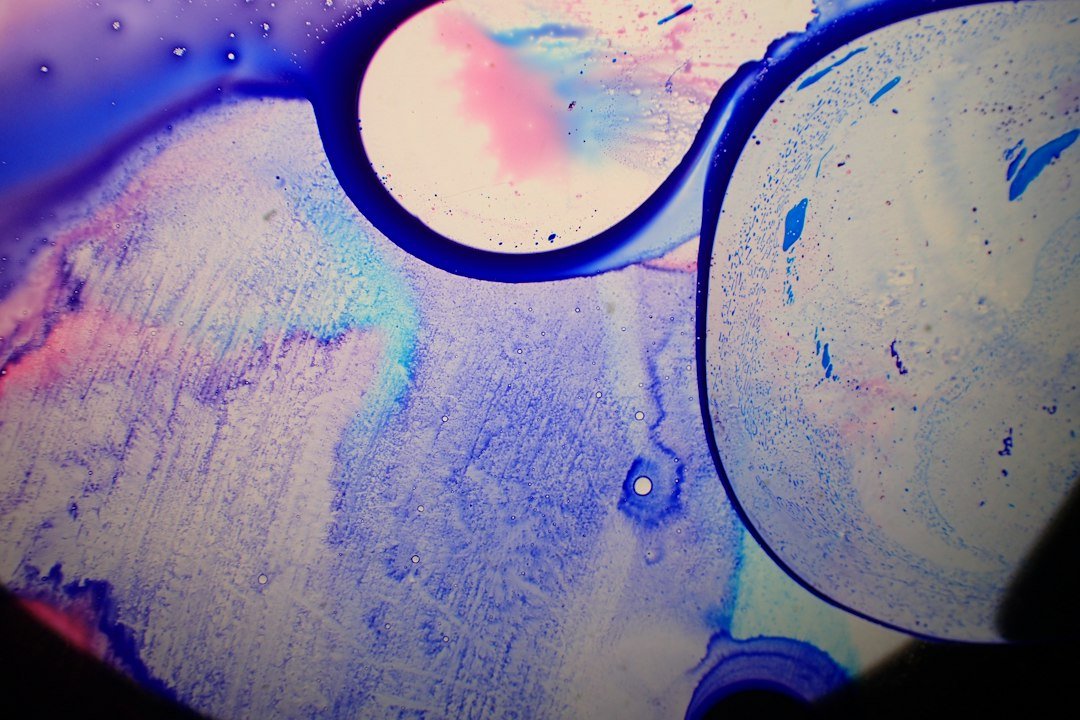
Celebrating Microscopic Artistry and Scientific Excellence
Nikon Corporation has unveiled the distinguished recipients of its 52nd iteration of the Small World Photomicrography Competition, an internationally recognized showcase that brings together the most visually striking and scientifically significant microscopic imagery from around the globe. The annual competition represents a convergence of technical precision, artistic vision, and scientific discovery—a testament to how modern optical technology continues to expand our visual perception of the microscopic realm.
The winning submissions this year exemplify the extraordinary detail and aesthetic beauty that becomes visible when photographers and scientists harness advanced microscopy techniques. These award-winning works demonstrate how specialized equipment, combined with creative visualization approaches, can transform cellular structures, crystalline formations, and biological specimens into compelling visual narratives that captivate both technical and general audiences.
The Art and Science of Microscopic Photography
Photomicrography represents a unique intersection where scientific documentation meets fine art sensibilities. Participants in the Nikon Small World competition employ various microscopy modalities—from conventional brightfield imaging to fluorescence microscopy and confocal techniques—to render their subjects with exceptional clarity and visual impact. The competition recognizes that technical mastery of optical systems and specimen preparation are only part of the equation; the most compelling entries demonstrate sophisticated compositional awareness and understanding of how to guide the viewer’s eye through intricate microscopic landscapes.
The 52nd edition’s winning photographs collectively illustrate the diversity of applications within microscopy. From botanical specimens revealing intricate cellular architecture to entomological subjects displaying remarkable surface structures, the selected works showcase nature’s complexity at scales invisible to the naked eye. Each image represents countless hours of preparation, optimization, and often failed attempts before achieving the perfect moment of exposure.
Advancing Visual Documentation Standards
Through initiatives like the Small World competition, Nikon continues to establish benchmarks for excellence in optical imaging and microscopic documentation. The company’s ongoing commitment to supporting the photomicrography community—through equipment innovation and recognition of exceptional practitioners—has helped elevate the discipline into a respected artistic medium while maintaining its importance as a scientific communication tool.
The competition’s longevity—now spanning five decades—underscores the enduring fascination with revealing hidden biological and physical structures. As microscopy technology evolves, enabling deeper magnification, enhanced color fidelity, and improved light efficiency, photographers and researchers possess increasingly sophisticated tools for exploration and documentation.
Inspiring the Next Generation
Beyond mere competition, the annual Small World showcase serves as an inspirational resource for emerging practitioners in microscopy and scientific visualization. By featuring exceptional examples of technical achievement and artistic expression, the competition motivates photographers, researchers, and students to explore the creative possibilities inherent in microscopic imaging. The visibility and prestige associated with these awards can significantly elevate practitioners’ professional profiles and open collaborative opportunities across academic and commercial sectors.
For photography enthusiasts and science communicators alike, the winning entries from Nikon’s 52nd Small World competition offer invaluable reference points—demonstrating best practices in specimen preparation, lighting optimization, and post-processing techniques specifically tailored to microscopic subjects. The collection ultimately reinforces that exceptional photomicrography demands not merely access to advanced equipment, but genuine artistic sensibility and scientific understanding.