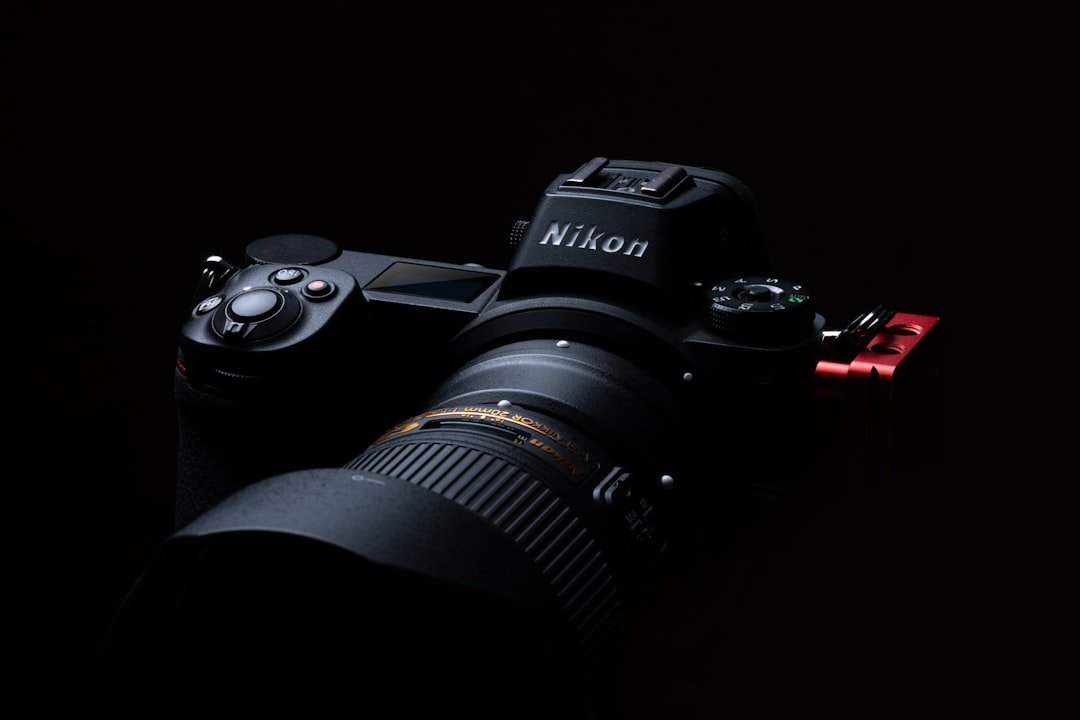
A Lighter, Smarter Telephoto for Modern Professionals
Nikon’s latest iteration of its professional telephoto zoom—the Nikkor Z 70-200mm F2.8 VR S II—represents a significant engineering achievement in mirrorless lens design. Released earlier this year, this updated optic addresses one of the most persistent demands from working photographers: reducing bulk without sacrificing optical quality or build integrity.
Size, Weight, and Handling Excellence
The headline achievement here is undeniable: at just 998 grams (35.2 ounces) without optional accessories, this ranks among the most portable full-frame f/2.8 telephoto zooms available in the mirrorless ecosystem. The lens intelligently distributes its weight across the zoom range, maintaining consistent balance throughout your focal length adjustments—a thoughtful detail that eliminates the need for constant grip repositioning.
During extended field testing across various shooting scenarios, including portraiture and fast-moving subjects, the optional Arca-Swiss-compatible tripod collar proved invaluable. While the lens’s minimal weight might suggest handheld-only operation, the included foot transforms it into a genuinely manageable studio tool. Even when fully equipped with the collar and lens hood, total mass remains competitive with rival manufacturers’ offerings—a substantial improvement over its predecessor.
The removable cosmetic bayonet ring and tripod foot employ tool-free mechanisms, offering flexibility in configuration depending on your particular shooting application. The rotating tripod collar facilitates seamless orientation changes between portrait and landscape compositions, though incorporating detent positioning at 90-degree intervals would enhance precision when working from tripod-mounted positions.
Controls and Interface Design
Nikon engineers have thoughtfully addressed operator preferences with this iteration. The revised control scheme includes selectable clickable or declickable aperture adjustment, accommodating both tactile-feedback enthusiasts and silent-operation advocates. Function buttons positioned around the barrel remain accessible regardless of lens orientation—a practical consideration for dynamic shooting environments.
The focus and zoom rings deliver satisfying tactile feedback, with the zoom mechanism featuring a compact throw that enables rapid focal length transitions. While the textured grip surfaces provide secure purchase, slightly softer texturing would enhance extended shooting sessions without compromising durability standards.
Autofocus Performance and Stabilization
The upgraded focusing system demonstrates impressive responsiveness, consistently maintaining pace with contemporary Z-series camera bodies. Combined with the camera’s in-body stabilization technology, this lens’s optical vibration correction produces among the most effective stabilization performance available in full-frame zoom optics. This combination enables handheld operation in challenging lighting without resorting to extreme ISO elevations—though the stabilization’s effectiveness occasionally complicates precise recomposition tasks.
Optical Characteristics
Wide-open f/2.8 operation reveals moderate corner vignetting across the zoom range, with maximum intensity at extended focal lengths. This naturally resolves by f/4 aperture, improving further at f/5.6. While built-in lens profiles readily correct this characteristic, corner noise characteristics merit consideration in high-ISO situations.
Sharpness performance remains impressive throughout the focal range and aperture scale, with optional stopping down yielding marginal corner-to-corner improvements for critical applications. The optical formula prioritizes versatility across portraiture, wildlife, and sports applications without introducing problematic aberrations or color fringing.
This refined optic represents Nikon’s commitment to professional standards while addressing real-world deployment concerns—a thoughtful balance that should resonate with contemporary mirrorless adopters.