Real-World Durability Testing in Extreme Conditions
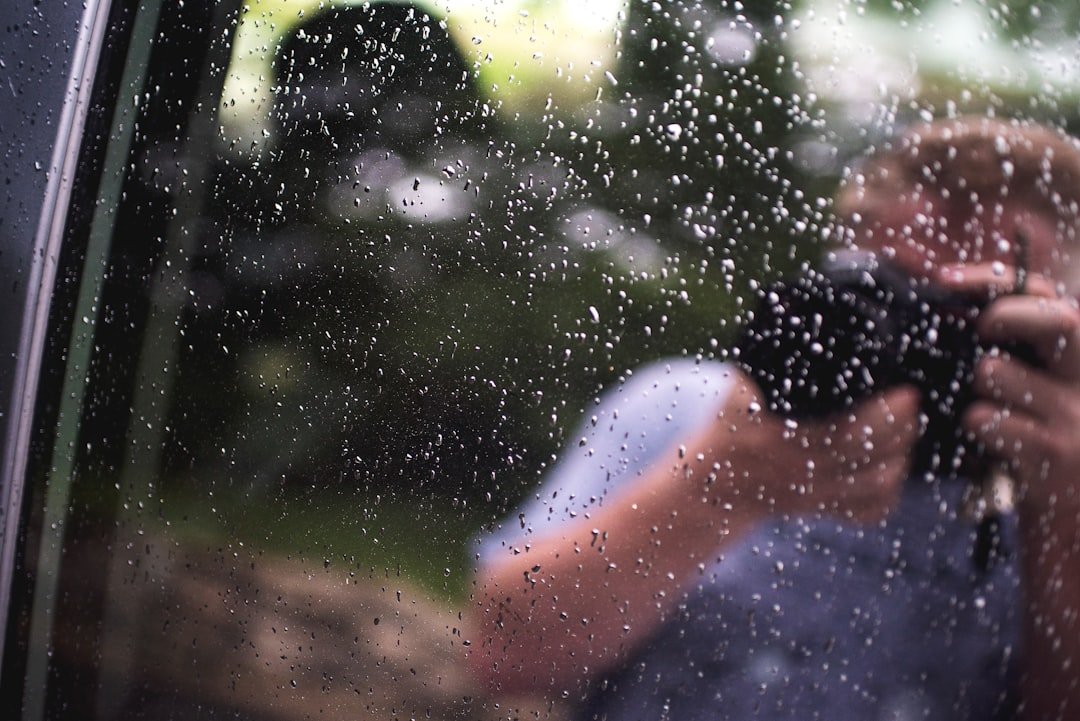
When it comes to selecting a weather-resistant camera system for capturing wildlife in unforgiving environments, the decision-making process proves far more nuanced than marketing materials suggest. Many gear evaluations fail to replicate authentic field scenarios where photographers operate under genuine duress. To bridge this gap, photographer Todd DeWald subjected the OM System OM-5 Mark II to an intensive preliminary evaluation under demanding natural conditions—specifically harsh grassland terrain featuring sustained winds, persistent precipitation, and frigid 45-degree temperatures.
This initial stress test served a dual purpose: establishing whether the OM-5 Mark II possesses the environmental resilience necessary for extended wildlife documentation work, while simultaneously determining if the system warranted deeper investigation through an extended evaluation period. By pushing the camera system to its limits immediately, DeWald could assess real-world performance metrics that controlled laboratory testing simply cannot replicate.
The Importance of Authentic Field Testing
Professional wildlife and nature photographers understand that durability specifications on specification sheets often diverge significantly from actual operational performance. Sealed electronics, weather-resistant gaskets, and protective coatings function differently when exposed to sustained moisture, temperature fluctuations, wind-driven rain, and the general abuse inherent in field work. The gap between theoretical weather-sealing and practical environmental protection has long plagued the camera equipment evaluation industry.
By conducting this preliminary session in genuinely harsh conditions rather than controlled test environments, DeWald employed a methodology that resonates with working professionals. Grassland ecosystems present particular challenges—relentless wind carries moisture-laden air, rain falls horizontally rather than vertically, and ambient temperatures hover at levels that stress both camera electronics and operator endurance. These factors combine to create a genuinely rigorous evaluation scenario.
A Foundation for Comprehensive Analysis
The preliminary field assessment proved instrumental in establishing baseline reliability data. Rather than immediately committing to an extended month-long evaluation protocol, this introductory session allowed DeWald to identify potential vulnerabilities, interface concerns, and operational limitations before expanding the testing scope. This strategic approach streamlines resources while ensuring that comprehensive analysis focuses on verified performance concerns.
Such methodologies represent a shift toward more practical equipment evaluation. Photographers increasingly recognize that gear reviews rooted in authentic operational scenarios provide substantially more actionable insights than conventional bench testing. When considering whether to invest in premium imaging equipment—particularly weather-sealed systems designed for challenging environments—professionals benefit from documentation of proven real-world resilience.
Looking Forward
The OM System OM-5 Mark II enters the wildlife photography market at a moment when reliable, durable imaging systems command significant professional attention. DeWald’s preliminary findings would establish whether this platform merits extended investigation and whether photographers operating in harsh climates should consider this system for their core equipment arsenal. The transition from this preliminary evaluation to comprehensive long-term testing would provide the photographic community with genuinely valuable performance data grounded in authentic operational conditions rather than laboratory parameters.