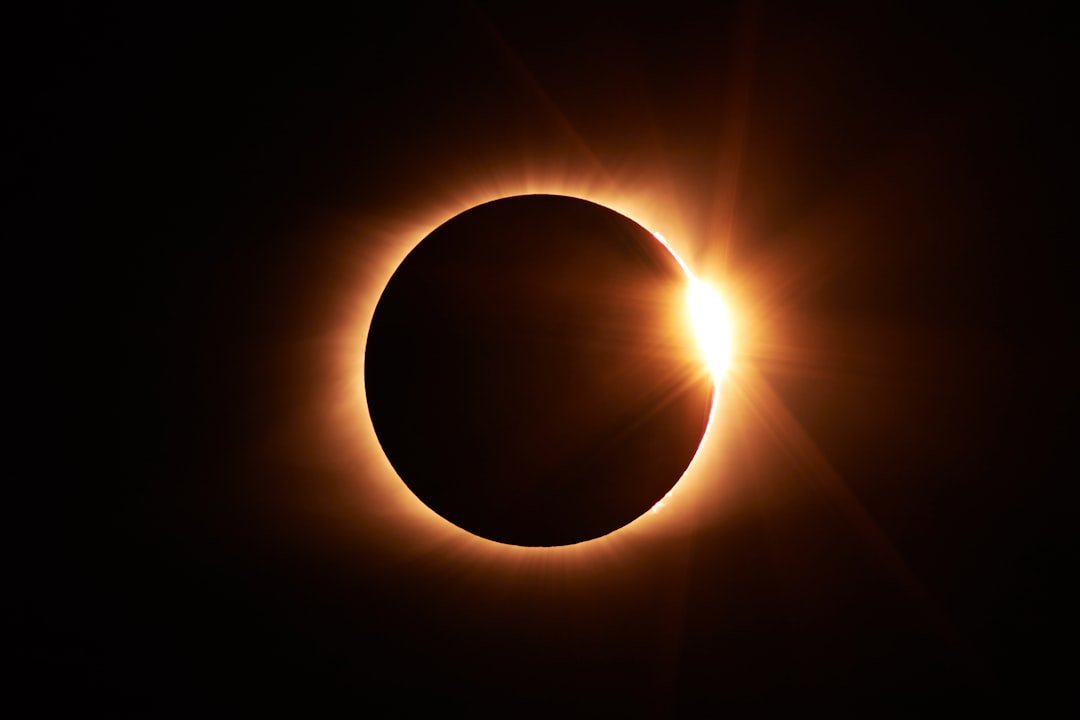
Automating the Art of Eclipse Photography
The celestial calendar presents photographers with one of nature’s most spectacular yet challenging photographic opportunities: total solar eclipses. With an event scheduled to grace the skies above Greenland, Iceland, northern Russia, Spain, and portions of Portugal on August 12, 2026, imaging professionals are already strategizing their approaches. Adding to their arsenal is a groundbreaking new tool: Umbra, a sophisticated automation application developed by visionary photographer Steven Madow.
Eclipse photography represents a unique intersection of technical precision and artistic vision. The rapid succession of phases—from the initial partial coverage through totality and back again—demands split-second timing and meticulous exposure management. Traditional manual approaches leave little room for error, with photographers often forced to choose between focusing on composition and managing the complex exposure calculations required as the moon progressively obscures the sun.
Addressing the Eclipse Imaging Challenge
Madow’s Umbra application addresses these longstanding obstacles by intelligently automating critical aspects of the eclipse capture process. Rather than photographers fumbling with manual settings during the event itself, the app orchestrates camera parameters in real-time, allowing creators to concentrate on framing and artistic direction. This represents a paradigm shift for eclipse enthusiasts and seasoned professionals alike.
The application’s robust architecture considers multiple variables simultaneously—precise timing of eclipse phases, optimal exposure values at each stage, and camera-specific technical requirements. By pre-programming these elements, photographers can devote their mental resources to the creative aspects that distinguish exceptional eclipse imagery from merely technical documentation.
Global Eclipse Opportunities Ahead
The 2026 eclipse presents exceptional viewing opportunities across multiple continents, with portions visible from both Northern Europe and Iberia. Additionally, maritime photographers have noted that certain Atlantic Ocean regions will experience totality, opening possibilities for specialized expedition-based imaging ventures. This geographic diversity means photographers worldwide have practical opportunities to employ new technological approaches like Umbra.
Beyond the immediate 2026 event, future eclipse cycles will continue to offer photographers compelling reasons to refine their methodologies and invest in advanced tools. Climate considerations, accessibility, and travel logistics will influence which events individual photographers pursue, making reliable automation technology increasingly valuable for expedition planning.
The Future of Eclipse Photography
Innovation in eclipse photography technology reflects broader trends within the imaging community, where automation increasingly augments—rather than replaces—the photographer’s creative judgment. Apps like Umbra exemplify how software solutions can eliminate technical friction, enabling photographers to operate at peak creative capacity during high-pressure, time-limited scenarios.
As solar eclipse events continue to captivate both professional photographers and enthusiasts, tools designed specifically for these challenges will likely become standard preparation elements. Madow’s contribution to this specialized niche demonstrates the ongoing evolution of photographic technology in service of capturing increasingly demanding natural phenomena.