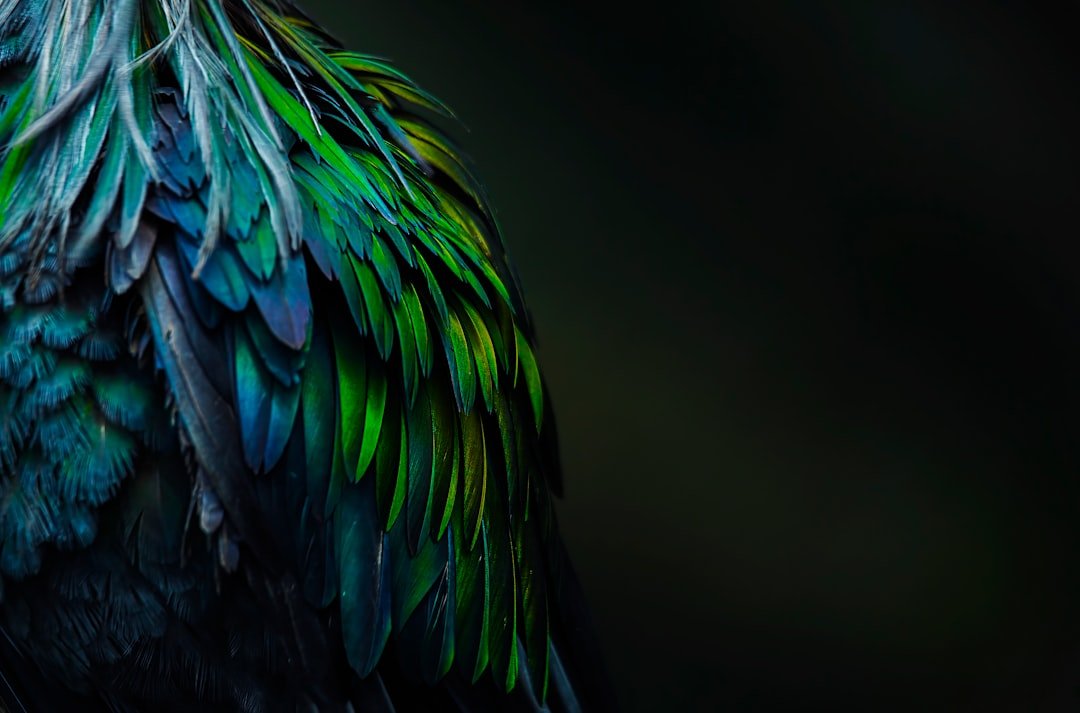
When bird photography appears overly processed, artificial, or suspiciously computer-generated, the culprit rarely lies in your capture technique. Instead, the responsibility typically rests with decisions made during the post-production workflow. Understanding and avoiding common editing missteps represents a critical skill for maintaining the authenticity and visual appeal of your avian imagery.
The journey from raw file to final image involves countless artistic choices, each capable of either enhancing or compromising your work’s credibility. Professional ornithological photographers recognize that heavy-handed editing practices can transform compelling wildlife documentation into something that feels synthetic and unconvincing to viewers.
The Root Causes of Unnatural-Looking Results
Post-processing mistakes typically stem from over-correction rather than underutilization of editing tools. Many photographers, eager to enhance their captures, apply excessive adjustments that push colors, contrast, and clarity beyond natural parameters. This aggressive approach often results in images that appear artificially polished or computer-generated, immediately signaling to experienced viewers that something feels off.
The problem compounds when editors fail to consider how their adjustments interact across multiple parameters. A combination of extreme saturation increases, aggressive clarity sliders, and pronounced vibrance boosts can create a cumulative effect that fundamentally alters the subject’s authentic appearance.
Identifying Problem Areas in Your Workflow
Success in correcting these issues begins with diagnostic awareness. Before diving into corrective measures, examine precisely where your editing decisions diverge from naturalistic representation. This self-assessment requires stepping back from the editing interface and viewing your work with fresh perspective.
Common problematic areas include oversaturated plumage that appears unnaturally vivid, halos and fringing around subjects created by overzealous sharpening, blown-out highlights in delicate feather details, and crushed shadow information that eliminates depth in darker regions. Each represents a distinct editing consequence requiring specific corrective strategies.
Recalibrating Your Approach
Professional bird photographers employ restraint as a fundamental principle. Rather than maximizing every slider to its extreme, successful editors make measured, purposeful adjustments that enhance without distorting. This balanced methodology preserves the inherent character of your subject while improving technical aspects like exposure and tonal range.
Working with calibrated monitors ensures your color judgment reflects accurate representation rather than screen-specific distortion. Additionally, establishing reference images—unedited RAW files and professionally edited examples—provides benchmarks for evaluating your adjustments objectively.
Implementing selective editing techniques proves particularly valuable for avian subjects. Instead of applying global adjustments across the entire frame, targeted modifications to specific elements like plumage or background allow nuanced control while maintaining overall authenticity.
Building Better Post-Production Habits
Developing a systematic workflow prevents the accumulation of excessive adjustments. Many professionals employ non-destructive editing techniques, preserving the original data while layering modifications that remain independently adjustable. This approach facilitates easier correction when over-processing occurs.
Regular assessment breaks during editing sessions help combat the desensitization that occurs with extended monitor exposure. Stepping away and returning with fresh eyes provides valuable perspective on whether your adjustments enhance or compromise authenticity.
By recognizing that authentic, compelling bird photography relies on disciplined post-processing rather than aggressive manipulation, photographers can elevate their work while maintaining visual credibility that resonates with audiences. The most impactful images often result from subtle, purposeful editing that complements rather than overwhelms the subject’s natural beauty.