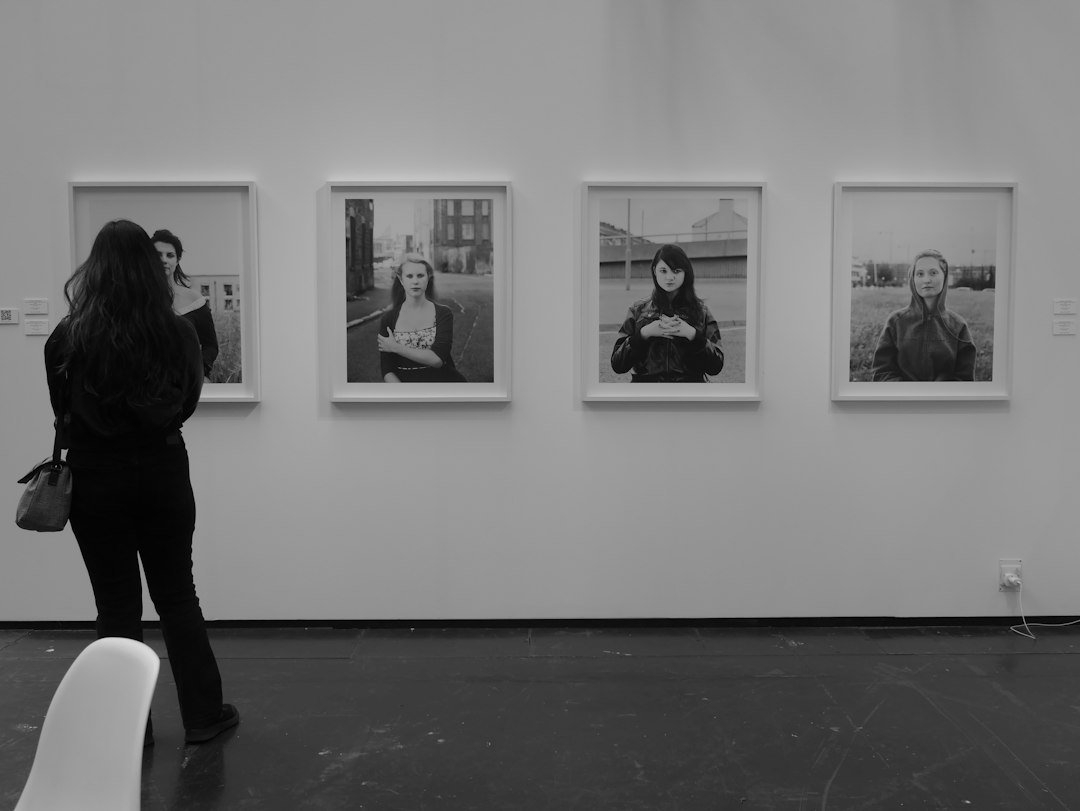
A forthcoming exhibition will put the spotlight on a body of Marilyn Monroe photographs captured by Lawrence Schiller, now the final living professional photographer to have worked with the Hollywood legend. For photography enthusiasts, collectors, and film historians, the show offers a rare chance to see images from a working relationship that documented one of the most recognizable faces of the twentieth century.
A Direct Link to a Hollywood Icon
Many portraits of Monroe circulate today, but relatively few come from photographers who spent time in front of the lens with her. Schiller’s images carry particular weight because they reflect firsthand access rather than secondhand reproduction. In a field where a single session can define a public image for decades, that proximity is what separates a documentary record from an iconic one.
Why These Images Matter to Working Photographers
Photographers studying this work will find much to learn. Portrait photography of that era relied heavily on controlled studio lighting, careful posing, and an intuitive understanding of the subject’s expressions. Even when a shoot moved beyond the studio, skilled practitioners balanced available light with reflectors and selective framing to shape mood. Examining how Schiller approached composition, tonal range, and the pacing of a session can offer valuable lessons for today’s portrait and editorial shooters.
The exhibition also highlights the craft behind celebrity photography. Working with a star of Monroe’s stature required fast rapport-building, discretion, and the ability to capture authentic moments amid intense public attention. Those skills remain central to editorial and portrait work, where the photographer’s job is to earn trust and translate personality into a single frame.
Preserving a Visual Legacy
Exhibitions like this one also play an important archival role. Original prints and carefully curated displays help audiences understand how photographic materials, printing choices, and presentation shape the way images are perceived over time. As more of the mid-century generation of working photographers passes on, efforts to showcase their work take on added urgency, ensuring that firsthand accounts and original imagery remain accessible to future generations.
What to Expect
Although details about specific dates and venues should be confirmed with the organizers before planning a visit, the core draw is clear: a rare opportunity to view Monroe through the eyes of a photographer who worked alongside her. Whether you are a seasoned collector, a student of photographic history, or simply a fan of classic Hollywood, this exhibition promises a close look at a legacy that continues to inspire visual artists today.