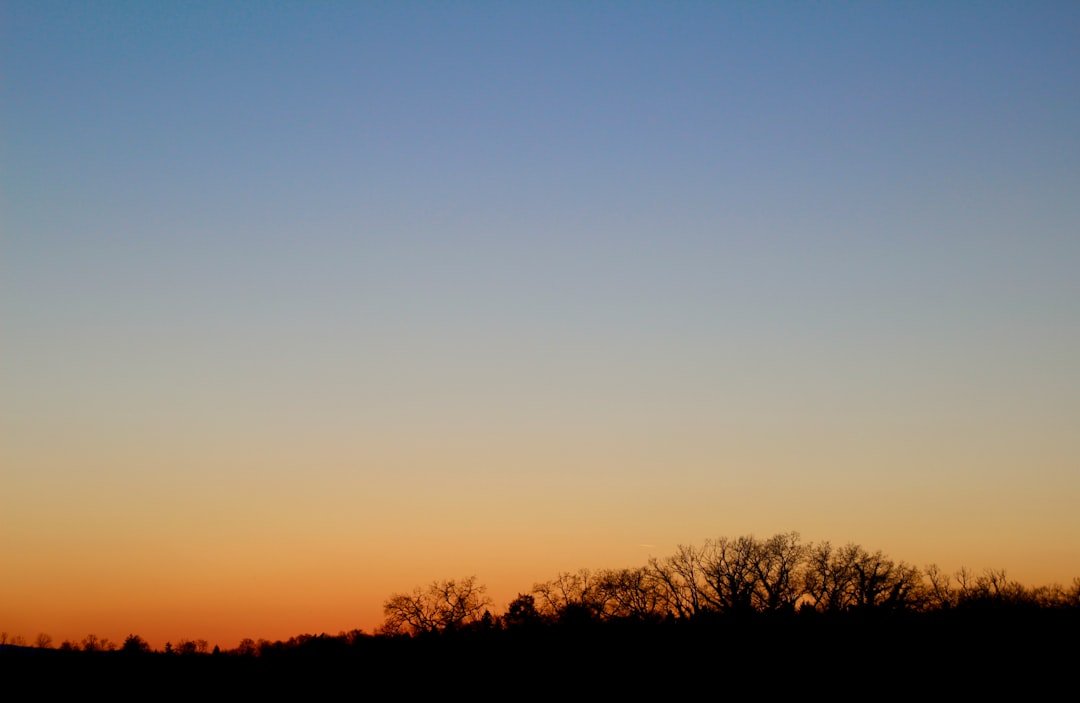
Why Your Sunset Captures Fall Flat: A Technical Breakdown
Many photographers find themselves disappointed when reviewing their golden hour sessions. Images appear flat and uninspired, lacking the vibrant warmth that captivated the eye in person. Monochromatic renderings fail to convey the drama of the scene, while color casts transform natural hues into unrecognizable tones. These consistent frustrations stem from a predictable collection of technical and compositional missteps that affect photographers across all skill levels.
The encouraging news? Understanding and correcting these fundamental errors can dramatically transform your results. Your favorite shooting locations don’t need to be abandoned—instead, they become reliable venues for producing gallery-quality imagery.
Identifying the Root Causes
Several overlapping factors contribute to underwhelming sunset photography. White balance mismanagement represents one of the most prevalent culprits. Incorrect color temperature settings can shift warm amber tones into cool, unnatural purple or pink casts that misrepresent the actual scene. This is particularly problematic when shooting in automatic white balance mode, which often struggles during transitional lighting conditions.
Exposure metering challenges frequently result in underexposed frames. The camera’s meter can be deceived by the bright sky, causing it to undercompensate for the foreground. This produces silhouettes where detail should exist, or blown-out skies where nuance matters most.
Compositional weakness also plays a significant role. Empty expanses of repetitive sky or featureless ground lack visual interest. Without foreground interest or layered depth, even spectacular lighting conditions yield forgettable images.
Practical Correction Strategies
Master color temperature control. Transition away from automatic white balance during golden and blue hour shoots. Employ custom white balance settings by photographing a neutral reference card, or leverage Kelvin temperature adjustments to fine-tune warmth. During post-processing, leverage the white balance slider to restore authentic color reproduction if your initial settings were imperfect.
Refine your metering approach. Consider spot metering on the mid-tones rather than relying on evaluative metering. Alternatively, use exposure compensation to override the camera’s default calculations. Bracketing exposures provides insurance—capture multiple frames at varying exposure values to guarantee optimal results during editing.
Strengthen your composition. Scout locations during daylight to identify compelling foreground elements: weathered trees, rock formations, architectural features, or human subjects. Include these elements to establish depth and context. Apply compositional principles like the rule of thirds or leading lines to guide viewer attention through the frame.
Leverage advanced techniques. Graduated neutral density filters preserve sky detail while maintaining proper foreground exposure. Polarizing filters can enhance color saturation and reduce atmospheric haze. Raw format capture preserves maximum tonal information for post-processing flexibility.
Moving Forward
Sunset photography mastery emerges through systematic troubleshooting and intentional practice. By addressing these recurring technical and compositional issues, your familiar vistas transform into compelling visual narratives. The difference between ordinary snapshots and print-worthy landscapes often comes down to understanding and implementing these foundational principles.