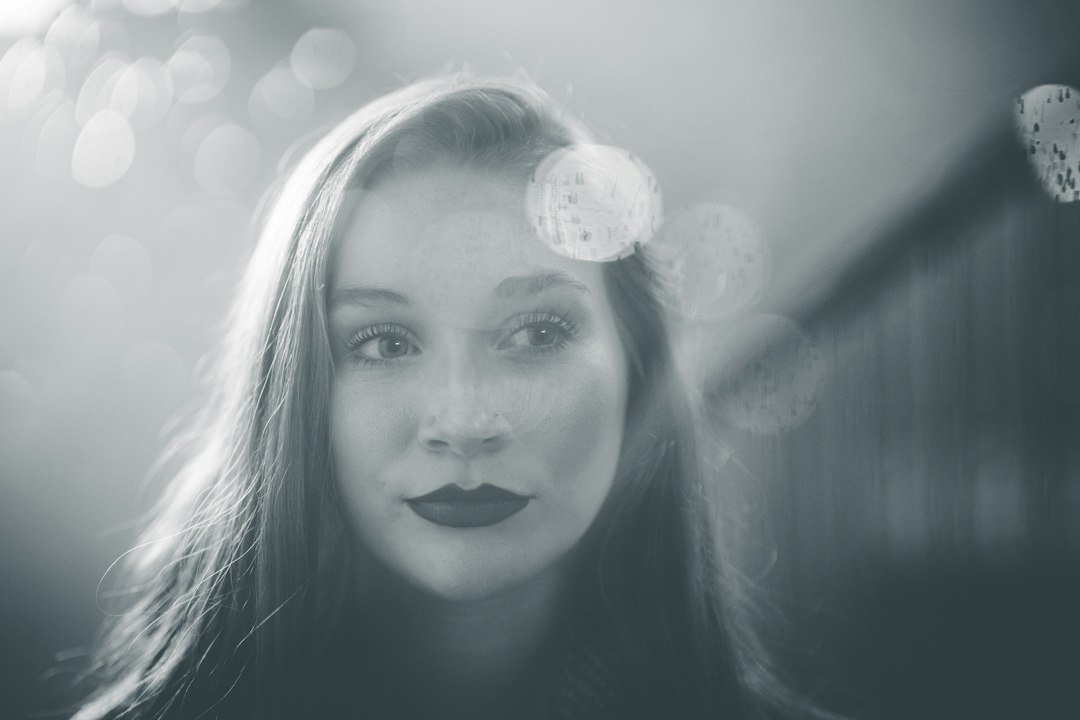
Few lenses carry the same reputation in portrait work as an 85mm f/1.2. Photographers who own one tend to treat it as a signature tool, and for Sony E and L-mount shooters, it has been a rare find. Autofocus options at this focal length have largely topped out at f/1.4, which makes a faster optic from Sigma stand out in a crowded market.
The appeal goes beyond spec-sheet bragging rights. A wider maximum aperture changes how a subject separates from the background, and that separation shapes the emotional tone of an image. Eyes sharpen against a softened backdrop, hair and edges dissolve into gentle gradients, and the overall frame takes on a dimensional quality that many clients find irresistible.
Why Viewers Are Doubting Their Own Eyes
The unexpected side effect is that some of these images now look too polished to be real. Viewers scrolling through social feeds or client galleries sometimes assume that the smooth transitions and creamy blur must come from a generative model rather than a camera. The reason is rooted in how the lens and the subject interact. When the depth of field is razor-thin, the background dissolves into soft color fields, and skin tones can appear unusually even. Those are the same visual cues people have learned to associate with synthetic imagery over the past few years.
This creates an odd situation for working photographers. The qualities that make a portrait feel premium can also trigger skepticism. A commercial portrait that once impressed a art director may now prompt questions about whether a human photographer was involved at all.
What Wide Apertures Actually Do
For those less familiar with the technical side, the physics is straightforward. A larger aperture lets in more light, which allows faster shutter speeds in dim environments and cleaner results at higher ISO values. It also reduces depth of field, so the plane of focus is narrower and the background falls away more dramatically. At 85mm, which is already a flattering telephoto focal length for portraits, this effect is especially pronounced. The lens compresses facial features pleasingly while keeping distracting elements out of the frame.
In practical terms, an f/1.2 maximum gives shooters extra latitude. Working in mixed or low light, such as a restaurant or an overcast outdoor session, becomes more manageable. Photographers can also keep ambient light in the scene without sacrificing subject isolation. The tradeoff is precision: at such a shallow focus range, nailing the eyes becomes critical, and small focusing errors can leave a nose or ear soft.
Protecting Authenticity in a Changing Market
As AI-generated imagery grows more convincing, photographers may need to document their process more deliberately. Keeping original RAW files, preserving metadata, and sharing behind-the-scenes frames can help establish provenance when a client or audience questions an image. Some working pros also include shooting details, such as lens and aperture information, in their delivery notes.
Ultimately, the story around Sigma’s 85mm f/1.2 is less about a lens controversy and more about how modern photography is perceived. A tool designed to produce beautiful, natural separation is now producing images that challenge viewers’ assumptions. For photographers, that is both a compliment to the optics and a reminder that authenticity increasingly needs to be shown, not just claimed.